






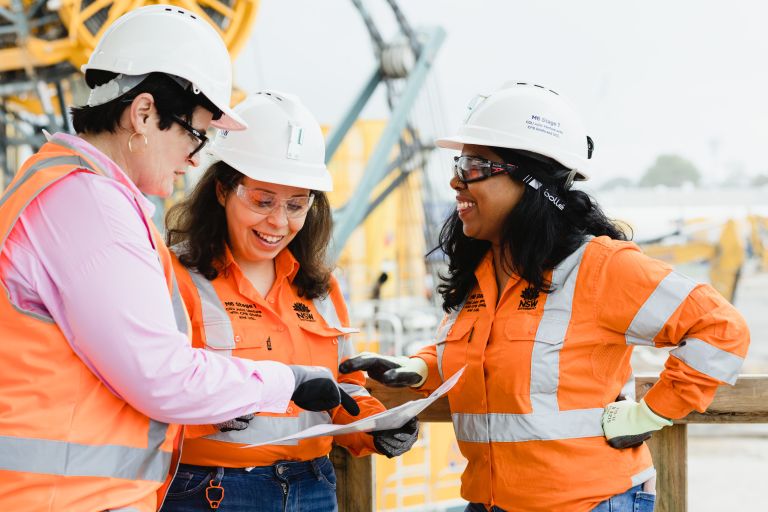
In Australia, the persistent skills shortage is spurring a reevaluation of workforce demographics, particularly within male-dominated industries like construction and plumbing. Women are stepping into these roles, showcasing that with the right support, they can excel in fields traditionally occupied by men. Programs encouraging women to join trades could be a significant solution to Australia’s skills gap, providing a new talent pool for industries in dire need of skilled workers.
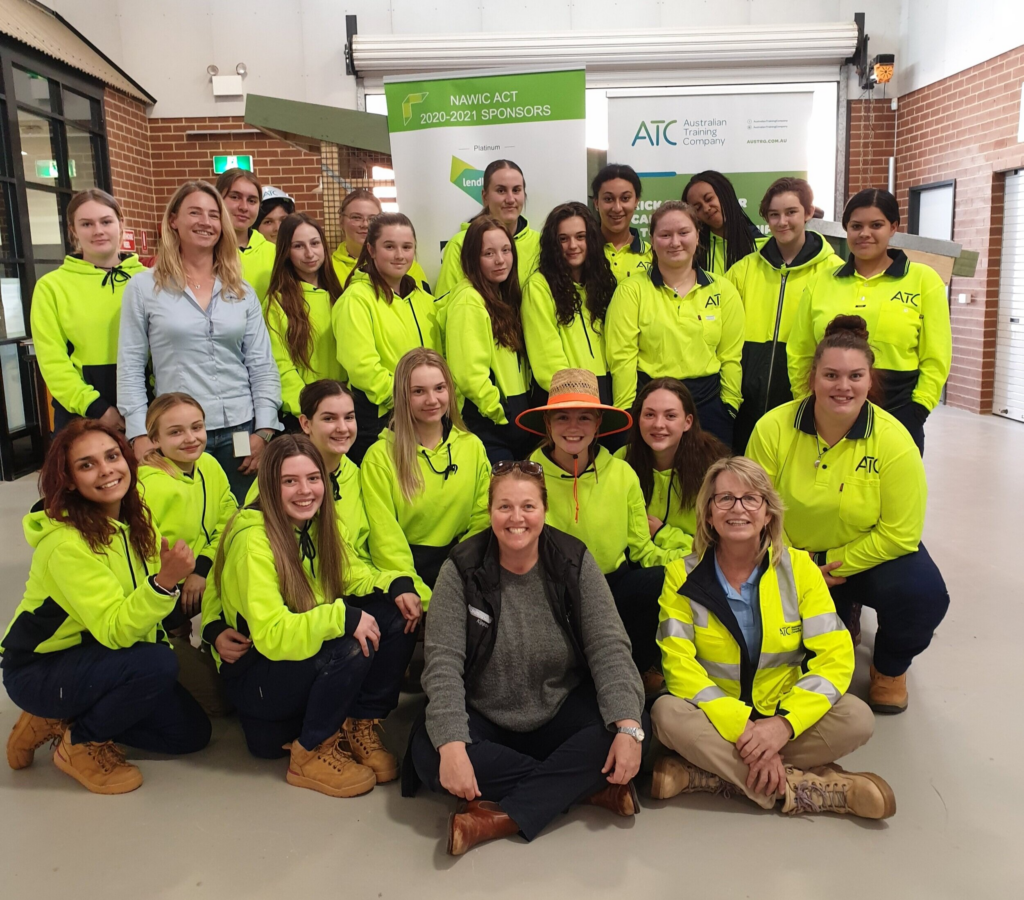
Vanessa Collins, a mother from Gladstone, embodies the transformative potential of these initiatives. Seven years after losing her partner, Collins faced the challenge of supporting her two children on her own. Although she worked as a cleaner on a mining site, financial limitations restricted her from acquiring a white card, a basic qualification necessary to work on such sites. The situation left her feeling trapped, but Collins found hope through CTC’s Women in Construction program, a course designed to train women in trade skills and provide essential certifications, including the white card.
Initially, Collins felt apprehensive about her age and lack of experience, yet she was drawn to the program’s supportive environment. The 11-week course provided a space for women with varied backgrounds and skill levels to learn without fear of judgment. The camaraderie and shared experiences among her classmates helped ease Collins’s anxiety, and she found herself looking forward to the sessions each day. As a result, she not only gained new skills but also renewed her self-confidence and redefined her career path.
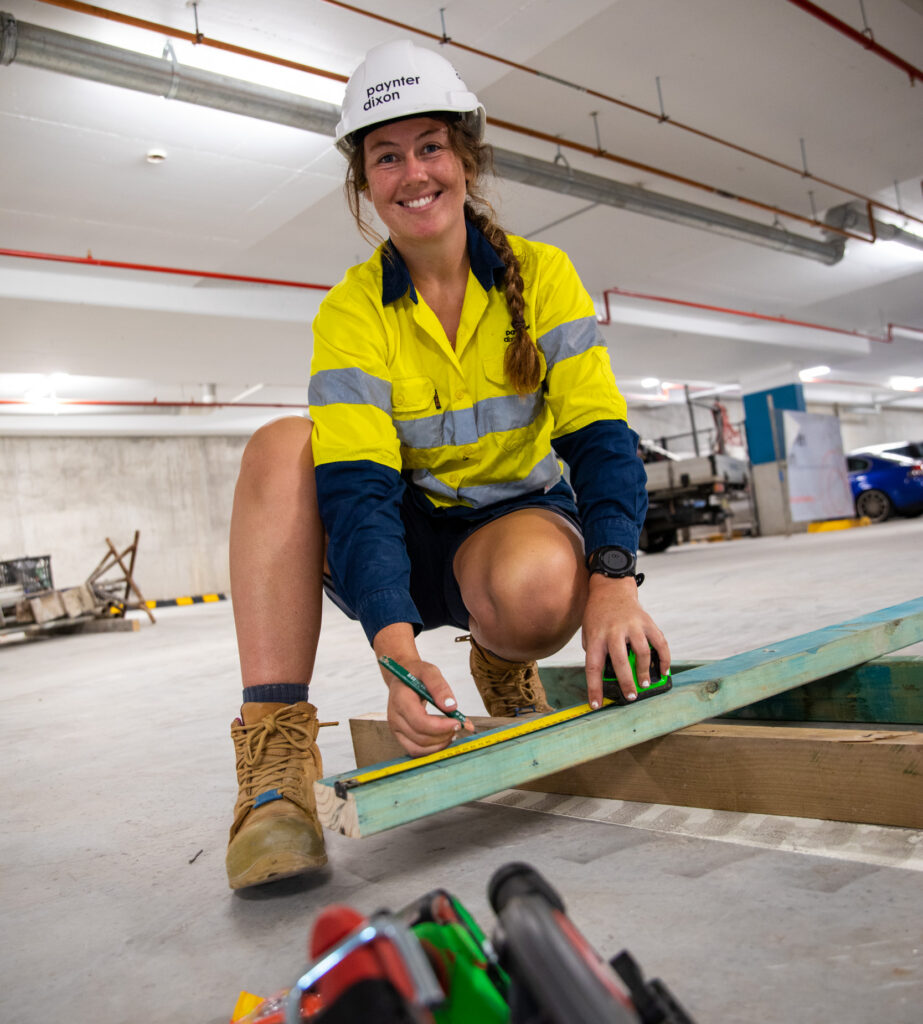
Similarly, Toni Hillman, a plumbing inspector from Brisbane, has made waves in the plumbing industry, where women constitute just two percent of the workforce in Queensland. Hillman’s career began in childhood, working on her grandparents’ farm, where she was treated as an equal alongside her male cousins. This early experience of hands-on work fostered a love for physical, results-driven labor. Motivated by a belief that she could do anything her male peers could, Hillman pursued an apprenticeship in plumbing and found her passion.
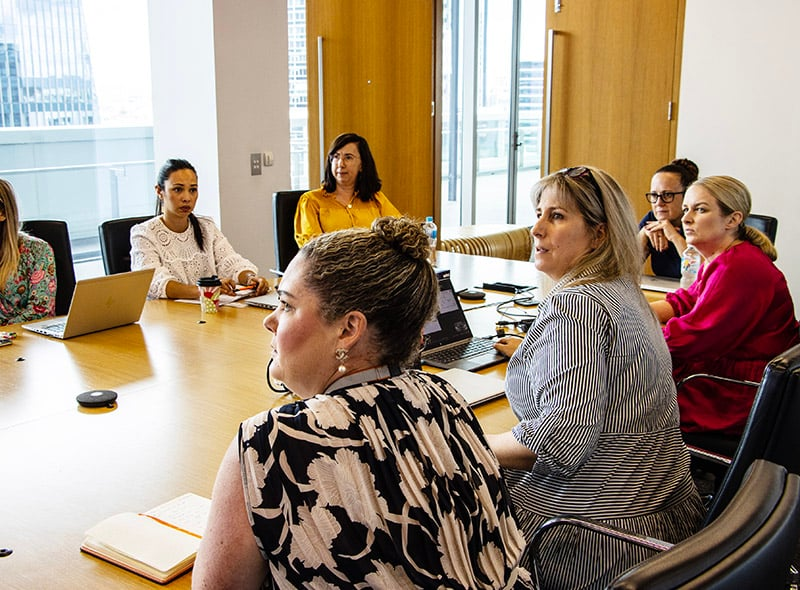
With sixteen years in the trade, Hillman is now a mentor with the National Association of Women in Construction, where she actively encourages young women to consider careers in plumbing. Through her school and TAFE campus visits, Hillman hopes to dispel myths about the trade, such as the misconception that plumbing is inherently “gross” or unappealing. Her mission is to show young women the breadth of career opportunities within plumbing, stressing the job’s stability and the satisfaction of contributing to essential infrastructure.

Changing public perceptions of trade careers remains a critical component in attracting more women. Many girls in school lack exposure to trade work and are unaware of the range of skills and career options available to them. Collins suggests that integrating hands-on experiences, like welding, into school curriculums could open new doors for students, giving them a realistic idea of the work involved and helping them make informed career choices.

The skills shortage in Australia is not limited to plumbing; other trade sectors are also experiencing a critical lack of qualified workers. Penny Cornah, chief executive of the Master Plumbers’ Association of Queensland, highlights the essential nature of plumbing for clean water and sanitation, reinforcing that these trades offer lifelong job security. However, this job security hasn’t prevented a decline in available workers. Cornah notes that some regional businesses have been compelled to involve family members—such as children or spouses—in their operations to sustain their business due to the shortage of skilled tradespeople.
Programs like CTC’s Women in Construction aim to bridge this gap by providing tailored support to women over 25, including certifications, personal protective equipment (PPE), and soft skills training designed to foster confidence. The Gladstone and Rockhampton programs cater specifically to women, organizing classes during school hours to accommodate childcare responsibilities. CTC program manager April Ibbotson observes that these programs are particularly empowering for mothers who have long prioritized family needs over personal aspirations. The program helps these women reclaim their independence and build fulfilling careers by providing a pathway for them to reinvest in themselves.
High turnover rates further compound the challenges of the skills shortage in Australia, as some workers are overwhelmed by demands that erode work-life balance. According to Hillman, the shortage of skilled labor can lead to increased workloads, driving people out of the industry and exacerbating the problem. The need for targeted recruitment and retention strategies is critical to stabilize these industries and attract new talent.
Modcoach Note
Support for women entering trades could be a solution not only to address Australia’s immediate skills shortage but also to promote long-term diversity and sustainability in the workforce. As more women like Collins and Hillman break into and excel in these fields, they are paving the way for future generations. Their experiences underscore the importance of accessible training programs, inclusive workplace cultures, and proactive career promotion in traditionally male-dominated trades. Such efforts are vital if Australia hopes to build a resilient, diverse workforce that meets the growing demand for skilled labor across the country.
CLICK HERE to read the entire article
.

CLICK HERE to read the latest edition

Contact Gary Fleisher