
The offsite construction world has been waiting for something that feels different, not just another incremental improvement dressed up as innovation. Azure Printed Homes may have just delivered that moment with its decision to open a new factory in Colorado. This isn’t a small step forward—it’s a signal that 3D-printed housing is moving out of the experimental phase and into real production territory.
A Second Factory Signals Scale
Azure’s new facility in the Denver area represents more than geographic expansion. It effectively doubles the company’s production footprint and positions it closer to markets where housing demand continues to outpace supply. With approximately 25,000 square feet of manufacturing space, the factory is designed to push output far beyond what its California operation alone could achieve.
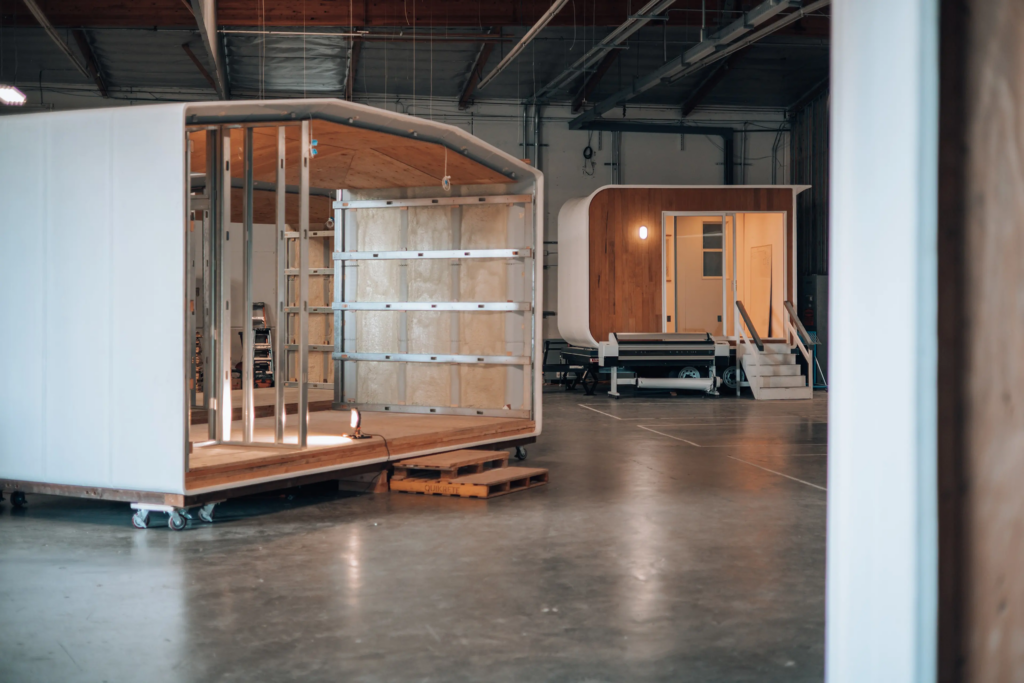
For an industry that often struggles to scale beyond regional operations, this move stands out. It suggests Azure is thinking nationally, not just locally, and is confident enough in its systems to replicate them in a new environment.
Rethinking What Homes Are Made Of
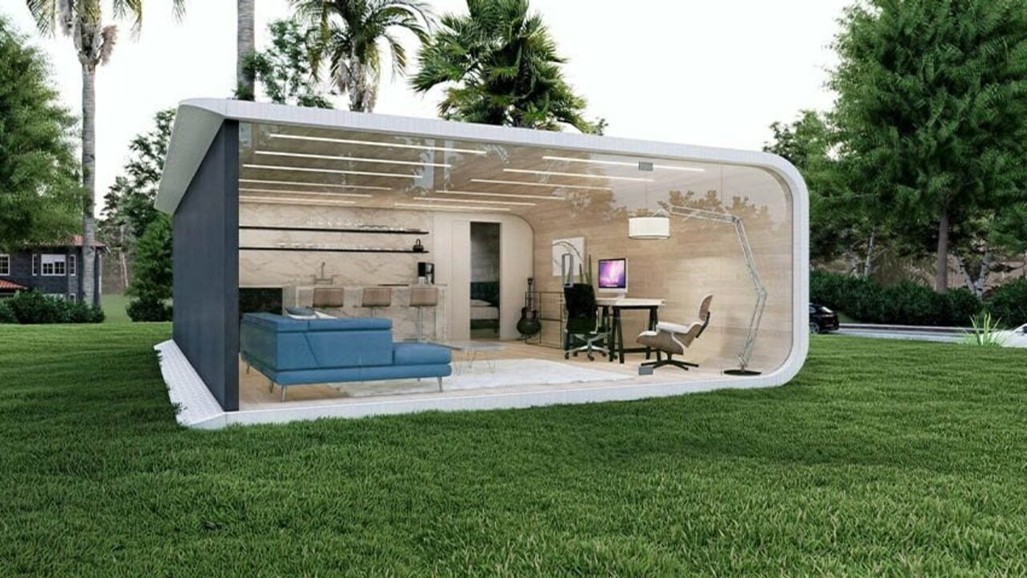
What truly separates Azure from many other 3D printing companies is its material choice. Instead of relying on concrete, the company uses a blend of recycled plastic and fiberglass to print structural components. This approach produces units that are lightweight, durable, and resistant to many of the issues that plague traditional materials.
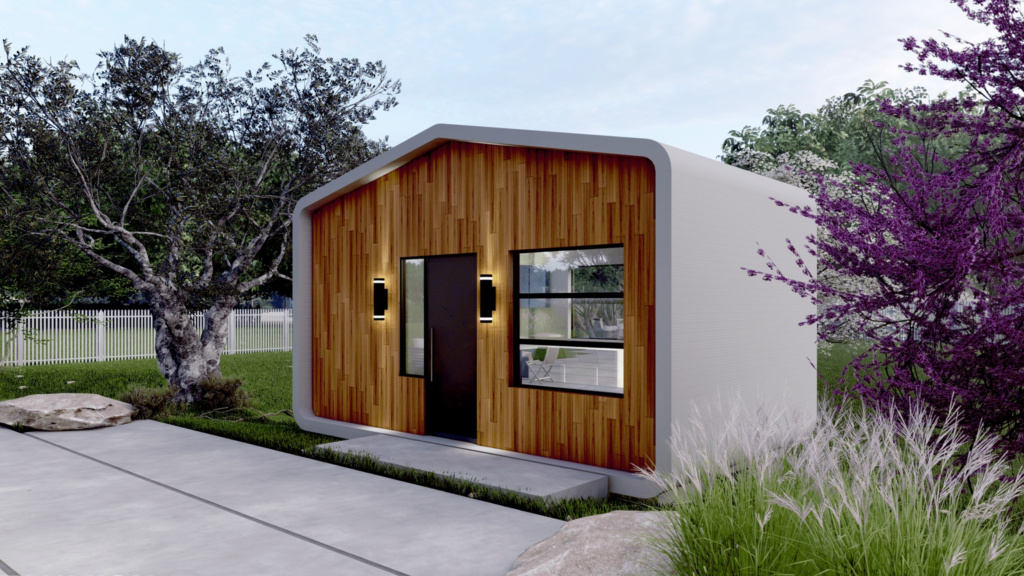
Each home incorporates a surprising amount of recycled material, turning plastic waste into a structural asset rather than a liability. For an industry often criticized for its environmental impact, this shift offers a compelling narrative that combines sustainability with performance.

Speed That Changes Expectations
Speed has always been one of offsite construction’s biggest selling points, but Azure is pushing that advantage even further. The company’s systems can produce a small structure in roughly a day, with completed units ready for delivery in weeks instead of months. That kind of turnaround forces developers, builders, and even traditional modular factories to rethink their own timelines.
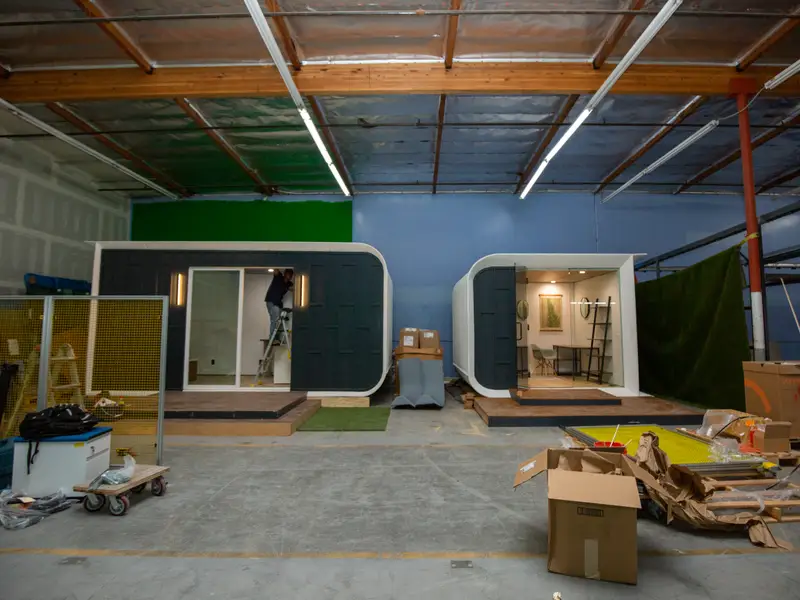
Claims of being significantly faster and more cost-effective than conventional construction will always draw skepticism. However, even a partial realization of those efficiencies could reshape how projects are planned, financed, and delivered.
From Concept to Volume Production
Azure isn’t entering Colorado as a startup with nothing to show. The company has already produced a range of units, including tiny homes, accessory dwelling units, and transitional housing structures. That track record gives some credibility to its expansion and provides a foundation for scaling operations.
The real story, however, is volume. The new factory is expected to ramp up production to levels that move Azure from a niche player into a meaningful contributor to housing supply. When a company begins talking about thousands of units annually, the conversation shifts from curiosity to competition.
Why Colorado Makes Sense
Colorado offers a unique combination of housing demand, progressive building initiatives, and openness to new construction methods. Rising home prices and a shortage of affordable options have created an environment where alternative solutions are not only welcomed but needed.
There is also a growing alignment between public support and private innovation in the state. When funding, policy, and technology begin to move in the same direction, it often accelerates adoption faster than anyone expects.
A Different Kind of Offsite Thinking
The broader implication of Azure’s expansion goes beyond one company or one factory. It challenges long-held assumptions about how homes should be built and what materials should be used. Instead of refining existing processes, Azure is rethinking them from the ground up.
For an industry that has spent decades trying to improve efficiency through incremental change, this approach feels both disruptive and necessary. It doesn’t eliminate every challenge, but it reframes the conversation in a way that could open new paths forward.
Modcoach Observation
For years, offsite construction has focused on doing the same things faster, cleaner, and more efficiently. Azure is taking a different route by changing the materials, the process, and the factory model all at once, which forces the rest of us to reconsider where true innovation really begins.
Whether 3D printing becomes a dominant force or settles into a specialized niche, one thing is clear. When a company can turn recycled plastic into housing at scale and back it up with real production capacity, the industry can no longer afford to treat it as just another interesting idea.