





Listen up, folks. The conversation about sustainability and net-zero efficiency isn’t just noise anymore. It’s the real deal, and it’s knocking on the factory door. For too long, the modular construction industry has been sitting on a secret weapon: our ability to build smarter, faster, and with less waste right in a controlled environment. Now, with a new wave of innovations, we have the chance to not just keep pace with the traditional stick builders, but to leave them in the dust.
The issue, as I see it, isn’t a lack of desire, but a lack of a clear framework for implementation. Developers want the green label, the investors want minimized risk, and the market wants speed and quality. Offsite construction is the only way to meet these demands consistently. Let’s break down four key areas where we need to stop talking and start building.
Sustainable Materials: Beyond the Buzzwords
We’ve all heard the terms “green building” and “eco-friendly materials.” In the factory, this translates into real, tangible change. The controlled environment of a modular plant is perfect for optimizing the use of sustainable materials, from low-carbon concrete and recycled steel to innovative materials like cross-laminated timber (CLT).
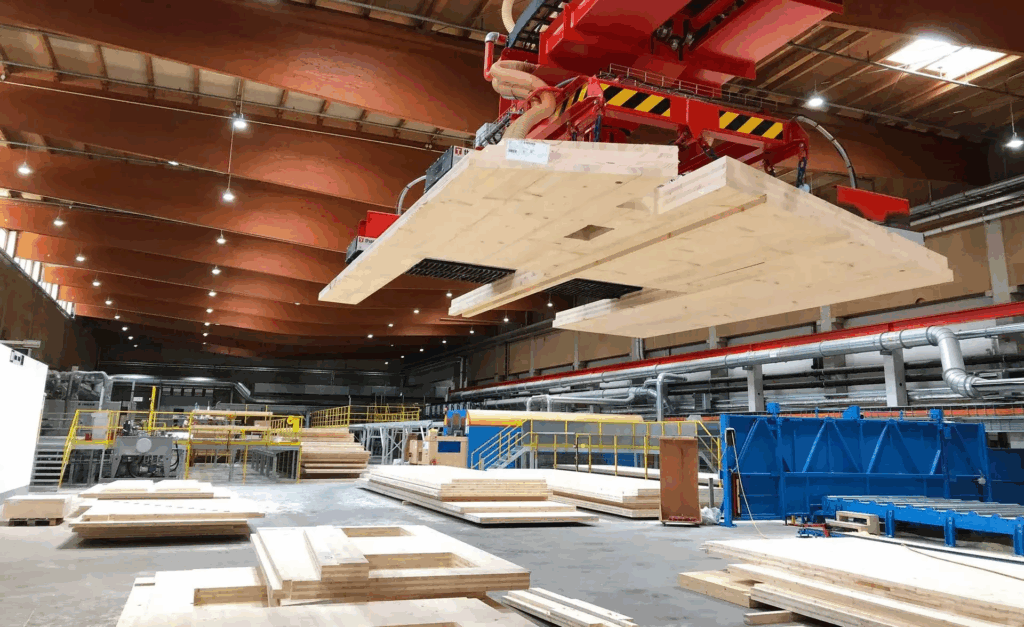
We can optimize cutting patterns with precision engineering, ensuring every last scrap of material is used or properly recycled. The goal is simple: maximize input efficiency, minimize output waste. We’re talking about a significant reduction in embodied carbon compared to site-built projects. This isn’t just good for the planet; it’s smart business. Waste costs money, and in a factory setting, we can eliminate that waste and turn it into profit.
Perovskite Tandem Cells & Integrated Energy Systems: Powering the Future
The energy game is changing. Intermittent solar and wind power need reliable storage. While LDES is critical for the grid, the real win for us in the factory is integrating advanced, high-efficiency solar technology directly into the building envelope.

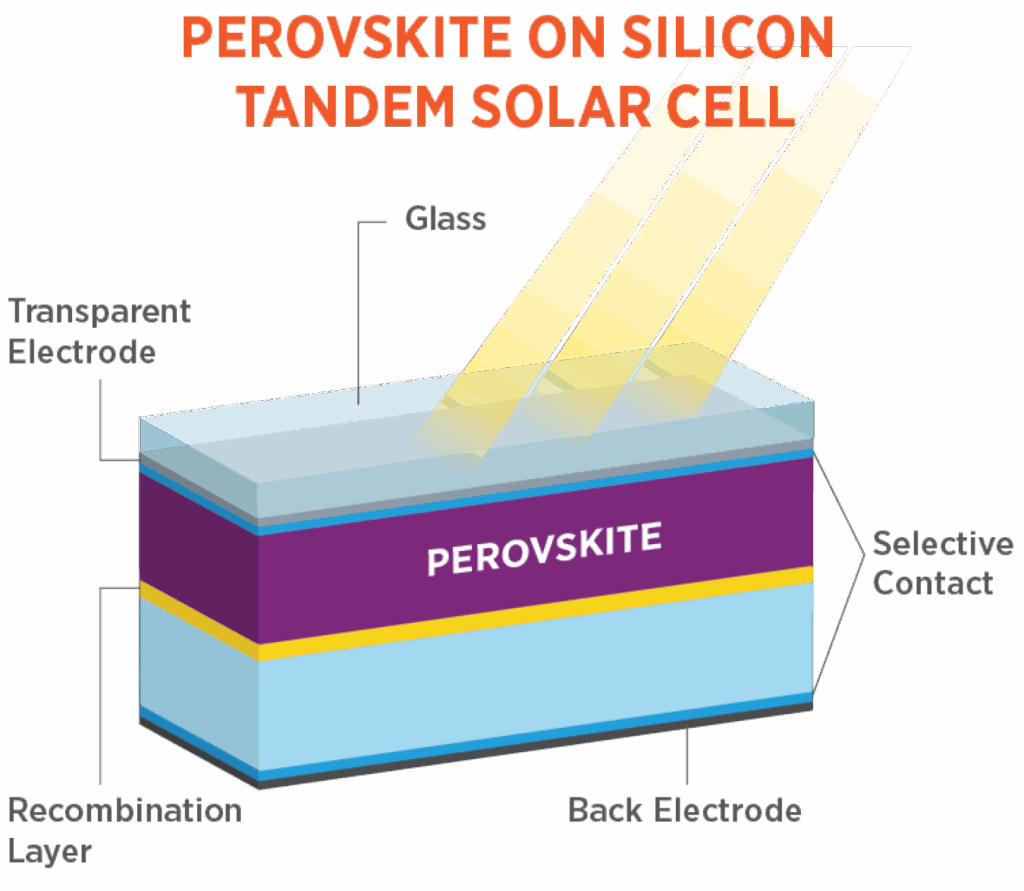
Imagine modules rolling off the line with next-generation perovskite tandem solar cells already installed. These cells capture more energy from a broader light spectrum, making them far more efficient than the old panels. We can combine this with integrated solid-state batteries and smart energy management systems. This means a building is a product, not just a structure—a product that is energy efficient and potentially net-zero from day one. This gives our customers an edge, whether it’s for a single-family home or a multi-story apartment complex.
Circular Economy Practices: Designing for the Long Haul
A linear economy—take, make, dispose—is a dead end. The circular economy is where the smart money is going. Modular construction is uniquely positioned for this because we build in “modules” that can be reused, reconfigured, or recycled.
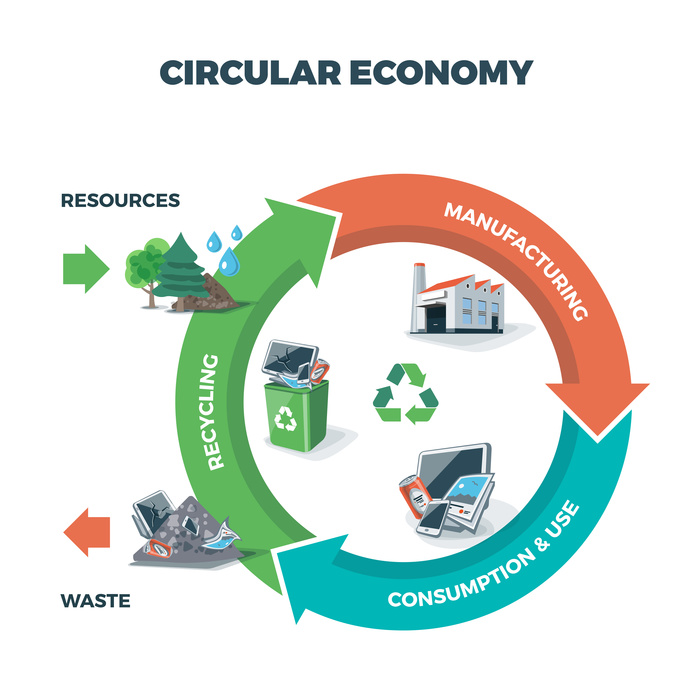
The factory process allows us to implement “design for assembly and disassembly” from the blueprint stage. We’re talking about standard components, adaptable designs, and clear material tracking. Instead of tearing down a building and sending everything to a landfill, we can take it apart and put it somewhere else or repurpose the materials. This extends the lifespan of our product and reduces our reliance on raw materials. It’s about keeping products and materials in use for as long as possible.
AI & Digital Technologies: The Brains Behind the Build
We can’t achieve massive scale and efficiency with old-school methods. This is where AI and digital technologies come in, making the factory the high-tech hub it should be.
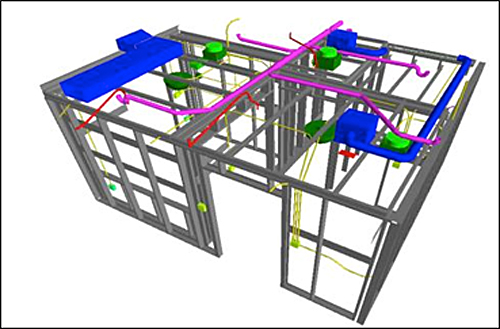
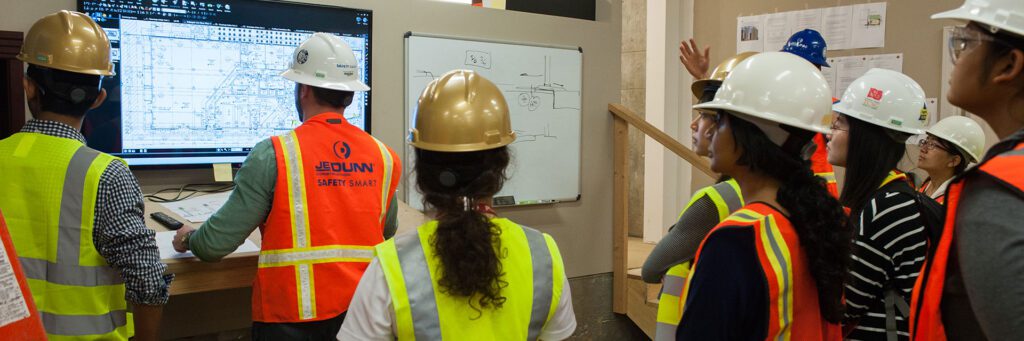
Building Information Modeling (BIM) is a given, but AI takes it further. It optimizes everything from the supply chain and inventory management to the actual production line. AI can predict material demand, manage our limited labor pool more effectively, and ensure quality control is ironclad. It’s about controlled variability powered by data. Computer vision systems can monitor quality in real-time, reducing defects and rework. This efficiency isn’t just a talking point for sales; it’s how we shorten the construction cycle and make time into profit.
The bottom line? The technology is here. The market is demanding change. The modular construction industry has a golden opportunity to lead the way in sustainable building. It’s time to stop making excuses, adopt these innovations, and deliver on the promise of offsite construction. The future is built in a factory. Let’s make it a smart, sustainable one.
.
With over 9,000 published articles on modular and offsite construction, Gary Fleisher remains one of the most trusted voices in the industry.
.
CLICK HERE to read the latest edition

Contact Gary Fleisher