
Can modular finally move from promise to production?
You’ve probably heard this line more times than you care to admit: “This time it’s different.” A new company, a new plant, a new technology, a new vision to solve the housing crisis.
And now, that conversation has landed in Grand Junction, Colorado.
A modular home manufacturer, Fort + Home, is looking to expand its presence there, bringing jobs, investment, and—most importantly—a factory-built approach to housing in a part of the country that desperately needs it. The company expects to add nearly 100 workers and could qualify for over $1 million in state tax incentives as it grows.
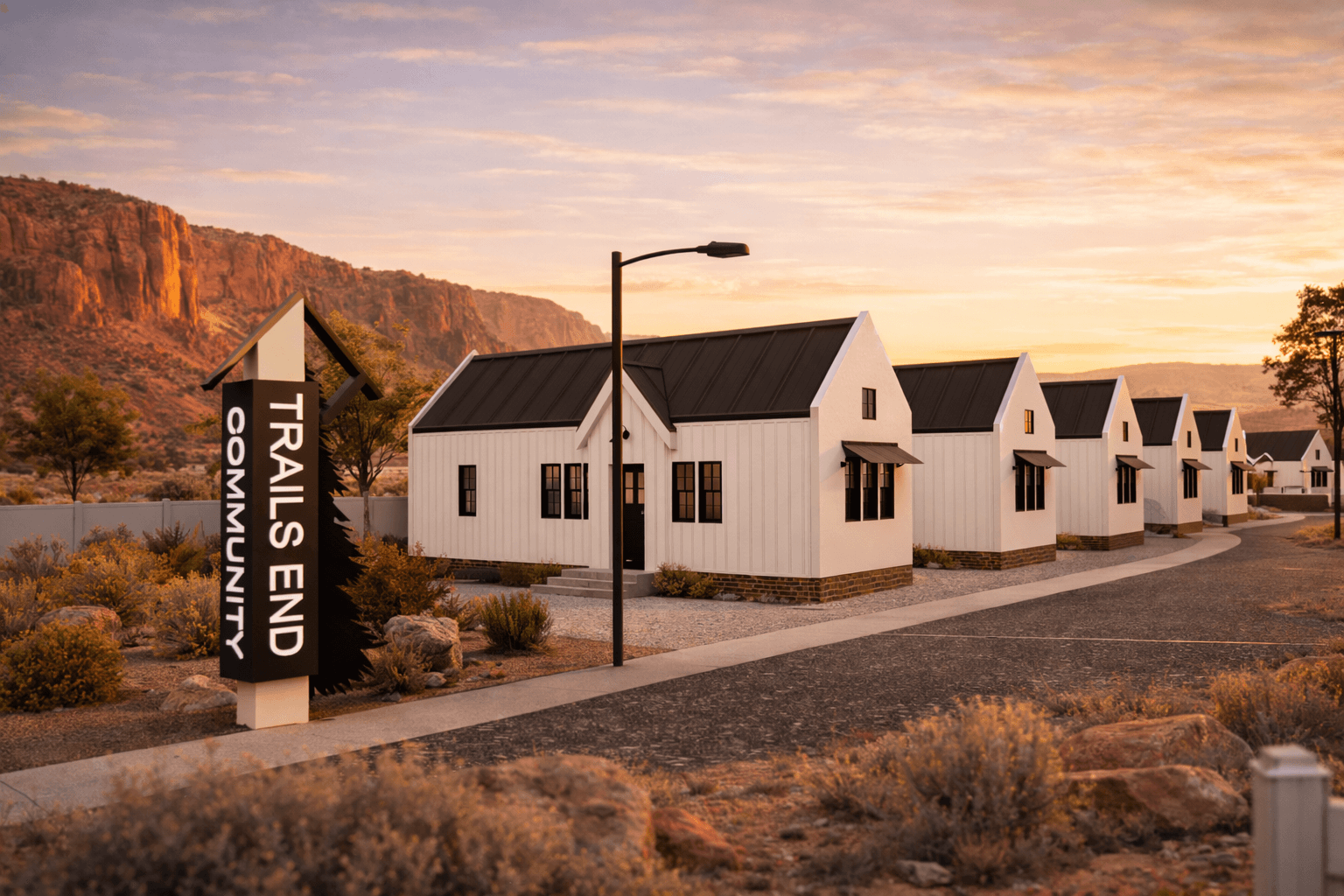
The Colorado Kit Home
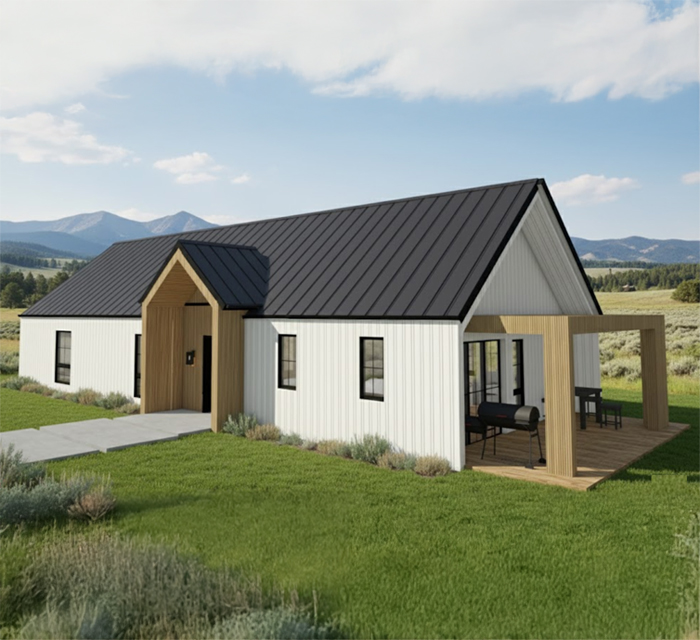
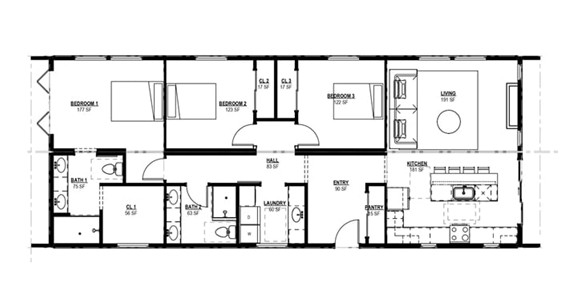
At first glance, this sounds like another good-news economic development story. And in many ways, it is. But for those of us who have watched the offsite industry for decades, it’s also something more important: a real-world test of whether modular construction can finally deliver at scale in smaller regional markets—not just in the big coastal cities.
Why Grand Junction Makes Sense
Grand Junction isn’t exactly Silicon Valley. It’s not Austin, Seattle, or Boston. And that’s exactly why this matters.
Western Colorado has a housing shortage that looks a lot like what we’re seeing across much of the country. Workforce housing is tight. Young families are being priced out. Employers struggle to attract talent. And traditional construction is simply too slow and expensive to keep up.
The math becomes painfully obvious when modular units are shipped long distances. Transport costs alone can add millions to projects when homes are built in distant factories and hauled across the country.
So the logic behind building regional factories is clear:
Build closer to the demand.
Cut transportation.
Speed up delivery.
Stabilize pricing.
It’s the same logic Sweden used decades ago. And it’s the same logic many of us in the U.S. have been talking about since before some of today’s startup founders were born.
Vertical Integration: The New Buzzword (and the Old Reality)
What makes Fort + Home interesting isn’t just the factory. It’s the vertically integrated model.
The company is combining development, construction, financing, and long-term ownership into one ecosystem. The goal is to control costs, reduce risk, and deliver consistent quality from land acquisition all the way through property management.
If that sounds familiar, it should.
This is the same idea that has driven many of the most successful housing platforms globally. Control the inputs. Control the process. Control the outcome.
The difference today is technology. Robotics, automation, and data are being layered on top of a concept that has been around for decades. The promise is faster builds, less waste, and more predictable outcomes.
The question is whether execution will match the vision.
The Labor Shift Nobody Is Talking About Enough
Another interesting angle in this story is the workforce.
Traditional construction relies on skilled tradespeople. Factory construction leans more heavily on machine operators, technicians, and process-driven teams. Some estimates suggest that automated modular plants require fewer trades but more technically trained workers.
That shift matters. It’s not just about building homes faster. It’s about changing the entire workforce model.
And here’s the uncomfortable truth:
Many of our existing construction labor pipelines aren’t ready for this shift.
Factories like the one in Grand Junction may help solve housing—but only if we solve workforce training at the same time.
The Regional Factory Model Is Coming
This expansion is also part of a broader trend.
Across Colorado and the Mountain West, modular and offsite construction are gaining traction. From Pueblo to Denver to Buena Vista, companies are investing in indoor manufacturing to meet demand.
Why? Because regional housing shortages are forcing innovation. Governments, developers, and investors are beginning to realize that traditional construction alone cannot close the gap.
And that realization is spreading.
We’re seeing it in Pennsylvania. In California. In Texas. And now in Colorado.
The next decade may not be about one giant national modular company. Instead, it could be about a network of regional factories serving defined markets.
The Real Challenge Ahead
Let’s be honest. The hard part isn’t building a factory.
It’s filling it.
Many modular startups have learned that lesson the hard way. Capacity without contracts is a fast road to financial trouble. Production discipline, sales strategy, and long-term developer partnerships matter far more than robotics and shiny equipment.
Grand Junction’s success will depend less on technology and more on pipeline.
Can Fort + Home secure consistent demand?
Can they build repeatable projects?
Can they manage cash flow in an industry known for volatility?
These are the same questions every factory owner has faced for generations.
Why This Matters to the Industry
For the offsite world, this project is more than a local expansion. It’s another proof point.
If regional modular manufacturing works in places like Grand Junction, it strengthens the case for distributed production across the U.S. housing market. It brings factory building closer to developers and communities. It reduces risk. And it may finally help the industry move from hype to habit.
And that, more than anything, is what the modular world needs right now.
Because after decades of talking about solving the housing crisis, the question isn’t whether offsite construction can help.
The question is whether we can scale it without repeating the mistakes of the past.
Grand Junction may not answer that question completely. But it’s one more step in the long journey from promise to performance.
.
With more than 10,000 published articles on modular and offsite construction, Gary Fleisher remains one of the most trusted voices in the industry.
.
CLICK HERE to read the latest edition

Contact Gary Fleisher