




Every few years, when the housing shortage becomes impossible to ignore, policymakers rediscover something the offsite construction industry has known for decades: building homes in factories can be faster, more efficient, and potentially less expensive than building everything on site. That moment seems to have arrived again in California, where lawmakers are now seriously discussing factory-built housing as a major part of the solution to the state’s housing affordability crisis. For those of us who have watched modular, manufactured, and panelized construction evolve over the years, it’s encouraging to hear the conversation finally happening in state capitols instead of just industry conferences.
A Late but Welcome Conversation
California legislators recently held hearings focused on construction innovation, examining whether factory-built housing could help the state meet its massive housing production goals. The idea is simple enough. By shifting a large portion of the work into controlled factory environments, builders can standardize processes, reduce weather delays, minimize material waste, and shorten construction timelines. Research cited during the hearings suggests factory-built housing could reduce construction costs by as much as twenty percent while cutting project timelines dramatically. In a state where high labor costs, lengthy permitting processes, and regulatory complexity have driven home prices beyond reach for many residents, those numbers are hard to ignore.
The Reality of Scaling Factory Production
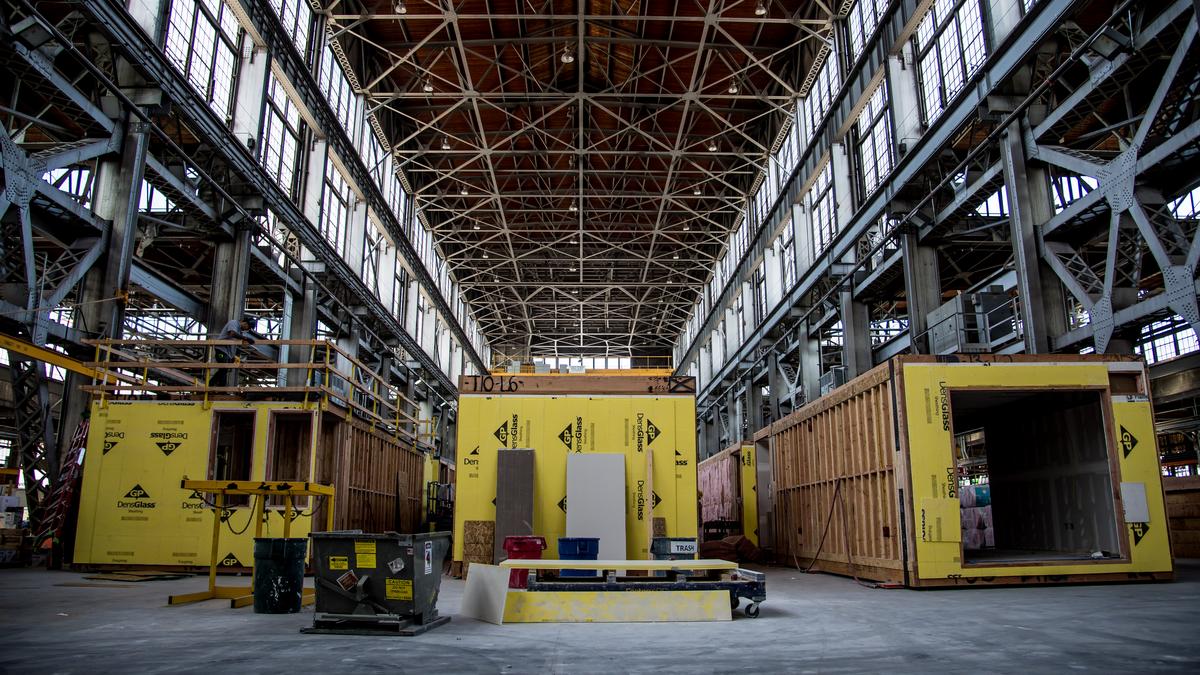
But as anyone who has spent time inside a modular or panelized production facility knows, the promise of factory-built housing is only part of the story. Scaling it up is where things get complicated. Financing systems, insurance structures, zoning rules, and local permitting processes were all built around traditional site construction. Factories operate on production schedules, not jobsite timelines, and that requires a different way of thinking about project coordination, transportation, and installation. Without changes to those systems, simply declaring factory-built housing the future won’t automatically make it happen.

Turning Curiosity Into Commitment
That’s the part policymakers are only beginning to understand. Factory-built housing can absolutely play a major role in addressing housing shortages, but it requires more than enthusiasm and headlines. It requires consistent regulations, lenders willing to adapt their financing models, developers who understand how to design for factory production, and a construction culture willing to rethink long-established habits. If California can align those pieces, the state may indeed help lead the next chapter of housing production in America. If not, factory-built housing risks becoming something it has been before — a promising idea that policymakers admire from a distance without fully committing to the changes needed to make it succeed.
CLICK HERE to read more about California’s effort to provide affordable housing.
.
With more than 10,000 published articles on modular and offsite construction, Gary Fleisher remains one of the most trusted voices in the industry.
.
CLICK HERE to read the latest edition

Contact Gary Fleisher