

The offsite construction industry received another painful black eye this week when ZenniHome filed for Chapter 7 bankruptcy protection just one day before a scheduled Arizona court hearing tied to a dispute over nearly $22 million associated with a Navajo Nation housing project.
According to court records and reporting from the Navajo Times, the hearing in Maricopa County Superior Court was scheduled to consider appointing an independent receiver to take control of the company’s assets, preserve records, and conduct a forensic accounting into how project funds were allegedly used.
The request for the receiver came from Indigenous Design Studio + Architecture (IDS+A), which is involved in the Navajo Nation housing project and has publicly stated that it intends to continue pursuing accountability despite the bankruptcy filing.
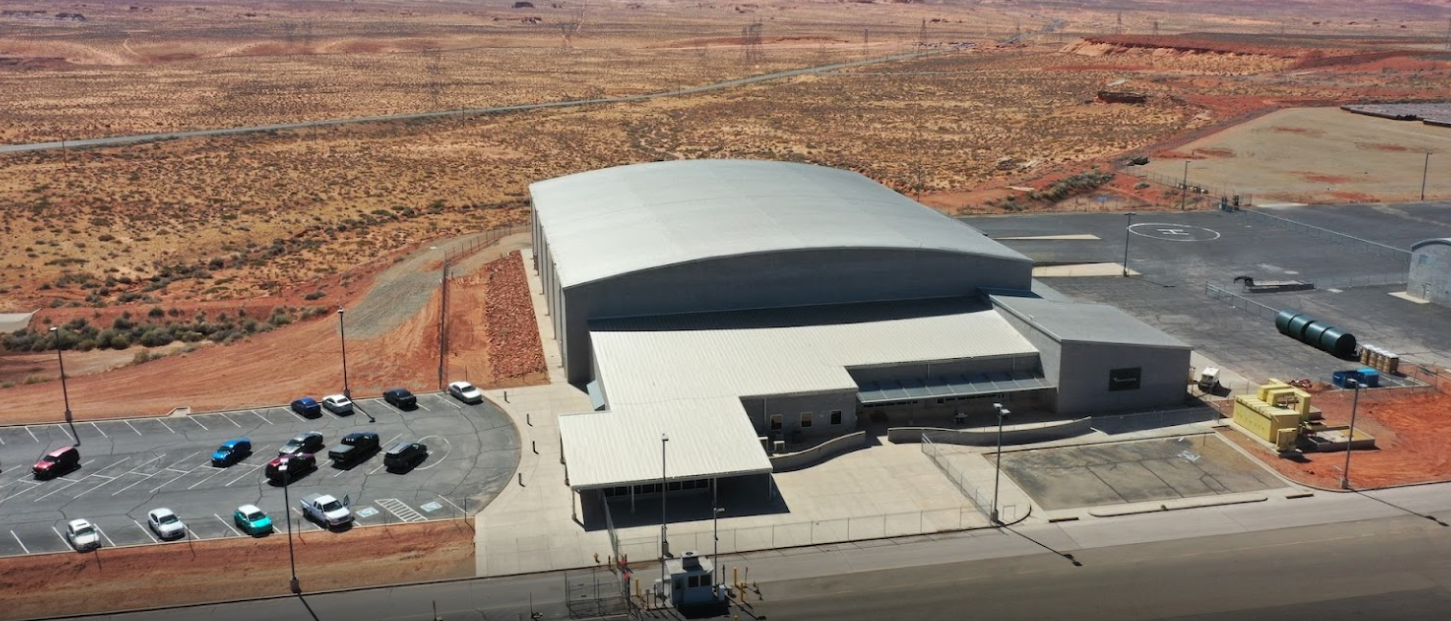
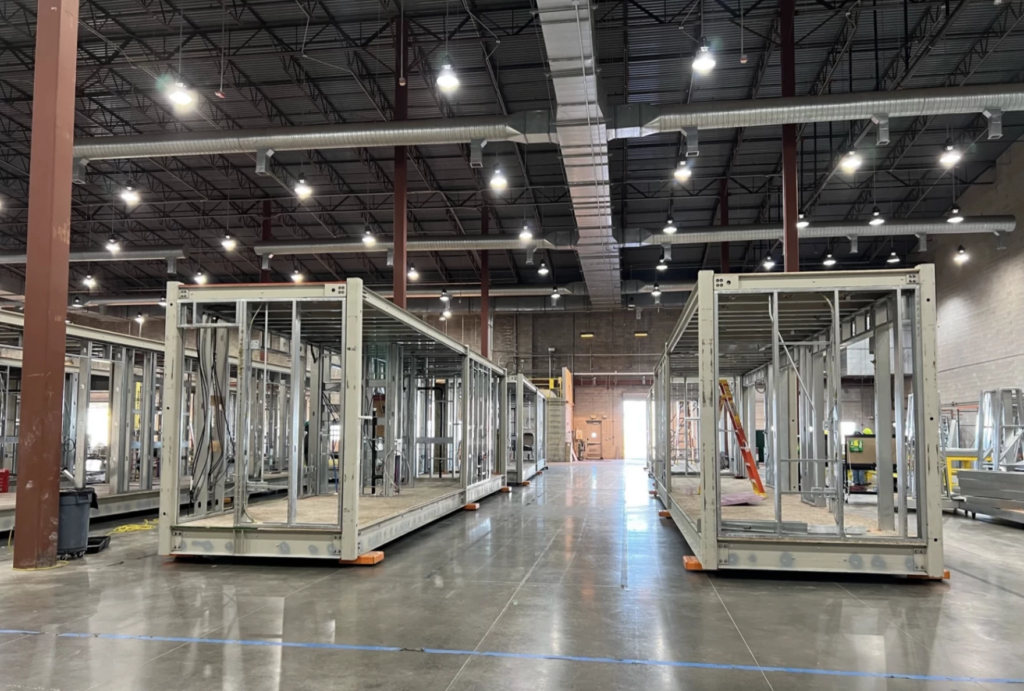
According to the lawsuit, the Navajo Nation project originally called for approximately 160 modular homes. Court filings reportedly allege that nearly $22 million tied to the project cannot currently be fully accounted for, while only 18 partially completed homes remain sitting at ZenniHome’s LeChee facility. That alone would make headlines in any industry, but in offsite construction, stories like this cause damage far beyond a single factory or a failed company.
When One Factory Hurts an Entire Industry
The modular and offsite construction industry has spent decades trying to convince developers, lenders, government agencies, and housing advocates that industrialized housing can become a dependable solution to America’s housing shortage. Every time a project collapses under financial confusion, legal disputes, or allegations involving public money, the entire industry loses a little more credibility.
What makes this situation even more troubling are the allegations surrounding transparency and financial reporting. Attorneys representing IDS+A allege repeated requests for financial documentation either went unanswered or were incomplete, while court filings reportedly reference consulting fees and questionable expenses that may have violated federal funding guidelines.

Whether those allegations are ultimately proven in court remains to be seen, but the damage to public perception has already begun.
Most modular factories are run by honest owners and management teams trying to survive a brutally competitive business environment filled with fluctuating material prices, labor shortages, transportation problems, delayed inspections, and shrinking margins. Unfortunately, the public rarely separates responsible operators from highly publicized failures.
To many outsiders, one modular company becomes representative of all modular companies.
Scaling Faster Than Systems Can Handle
That’s why stories involving federal housing money, tribal housing programs, and unfinished homes waiting in factory yards can create ripple effects throughout the entire offsite sector. Developers who were already cautious may become even more hesitant. Government agencies may add additional oversight requirements. Investors may begin demanding tighter controls before funding future factories or housing developments.
And perhaps most damaging of all, communities waiting for desperately needed housing lose valuable time.
This situation also highlights a problem the offsite industry still struggles to confront honestly: scaling too quickly before operational systems mature enough to support growth. A company can generate excitement, attract investors, secure massive contracts, and receive glowing media attention long before it develops the financial controls and production discipline needed to successfully execute large-scale housing projects.
In offsite construction, growth often outpaces management systems. That’s a dangerous combination when millions of dollars in public funding are involved.
The bankruptcy courts and ongoing litigation will eventually determine what happened behind the scenes at ZenniHome. Forensic accounting, financial reviews, and legal proceedings may take months or even years before the full picture becomes clear. Until then, the allegations, unanswered questions, and unfinished homes will continue hanging over the project and the industry itself.
Meanwhile, every offsite factory owner trying to build trust with developers and public agencies now has another difficult conversation to navigate.
Modcoach Observation

The offsite industry does not lose credibility because a factory fails. Every industry has failures.
The industry loses credibility when people begin to wonder whether the money, management systems, and accountability structures were ever truly under control in the first place.
That’s the part of stories like this that can haunt modular construction long after the bankruptcy lawyers go home.