


Why Efficiency in Offsite Construction Is More Than Just Speed
Walk through any offsite construction factory today, and you’ll hear plenty of discussions about efficiency. Factory owners want more modules out the door, production managers want faster cycle times, and sales teams want shorter lead times. Equipment vendors are eager to demonstrate how their latest innovation can shave minutes, hours, or even days off production schedules. Speed certainly matters, but one of the biggest mistakes I see factory owners and managers make is confusing speed with efficiency.
The two are related, but they are not the same thing. In fact, some of the fastest equipment in a factory can become some of the least efficient investments ever made. True efficiency is about predictable performance. It is about knowing what a machine, software package, robot, or production process will do every day, every shift, and every month. It is the combination of productivity, reliability, and safety. Without all three, speed alone becomes an expensive illusion.
The Hidden Cost of Fast
Most equipment demonstrations are impressive. A salesperson arrives with videos, testimonials, charts, and calculations showing how quickly a new machine can perform a task. The numbers look compelling, production rates improve dramatically, labor requirements decrease, and payback periods appear reasonable.
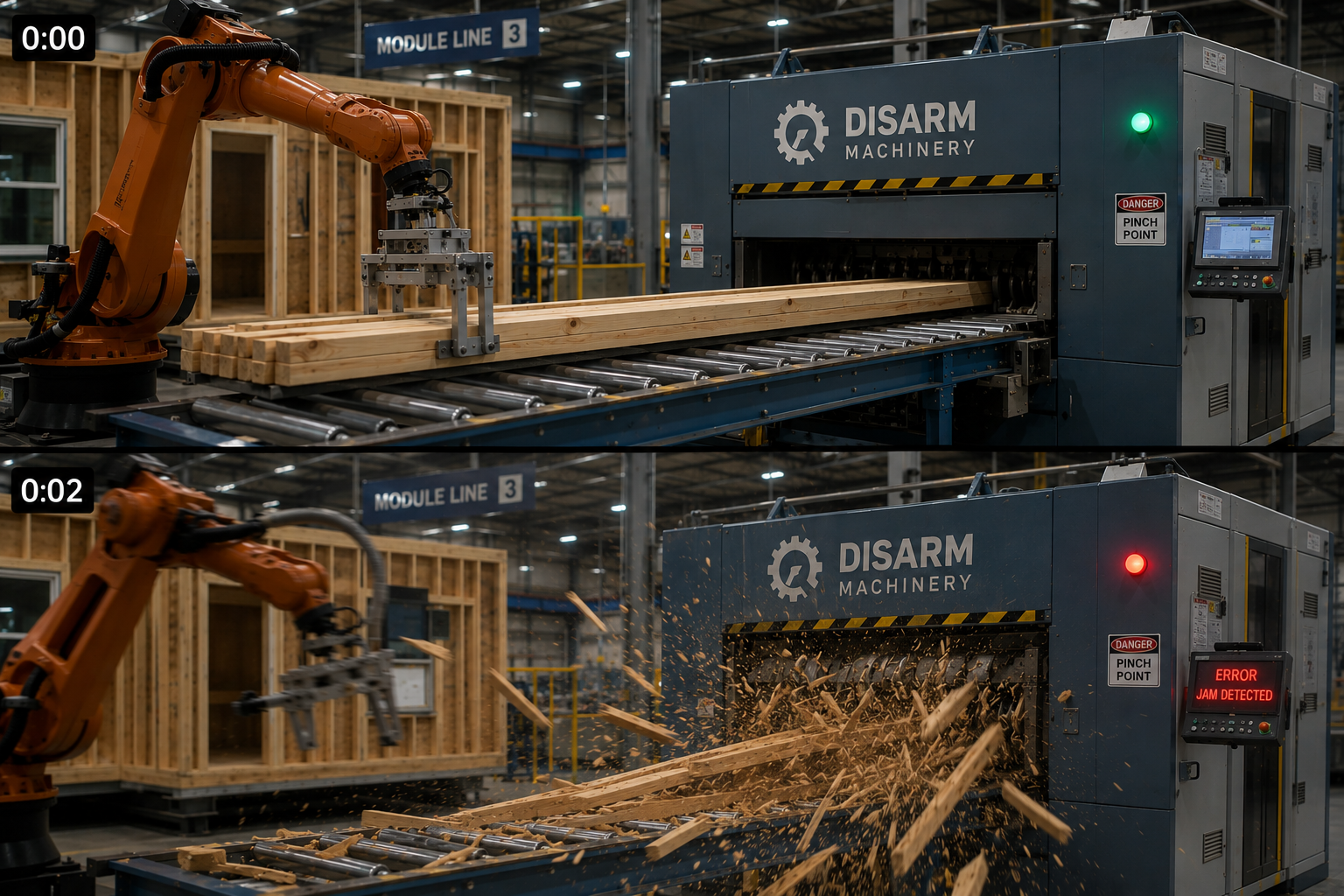
Then reality arrives. The machine may indeed perform exactly as advertised, but only when it is running. If it requires constant adjustments, frequent maintenance, expensive replacement parts, or specialized technicians to keep it operational, those gains can disappear quickly. Many factory owners have experienced the frustration of watching an expensive piece of equipment sit idle while production workers stand around waiting for repairs. The machine was fast, but the investment was not efficient.
Reliability Creates Profit
One of the least glamorous topics in manufacturing is reliability. Nobody attends trade shows to admire equipment that simply works every day without drama. Yet reliability is often what separates profitable factories from struggling ones.
A moderately fast machine that operates consistently for years without major downtime often delivers more value than a faster machine that breaks down regularly. The same principle applies to software systems, automated material handling equipment, robotic welding systems, CNC machinery, and panelized wall production equipment. Consistent performance allows managers to schedule labor, materials, transportation, and customer deliveries with confidence. Predictability creates profit, while surprises usually create expenses.
Safety Is Part of Efficiency
Safety is another factor that often gets overlooked during purchasing decisions. A piece of equipment may increase production speed by twenty percent, but if it introduces additional injury risks, requires awkward work practices, or creates fatigue among employees, the long-term costs can be substantial.
Workers’ compensation claims, lost-time injuries, retraining expenses, and employee turnover rarely appear on the initial equipment proposal. Yet those costs are very real and can quickly erase any gains made through increased production speed. The most efficient factories are often not the ones moving the fastest. They are the ones operating steadily while keeping employees safe and productive throughout the entire shift.
Looking Beyond the Purchase Price
For startups and smaller offsite manufacturers, cash flow often drives purchasing decisions. That is understandable. When every dollar matters, the lowest purchase price can seem like the safest choice.
Unfortunately, the cheapest equipment frequently becomes the most expensive equipment over time. When evaluating any major purchase, factory owners should consider the total cost of ownership rather than the acquisition cost alone. Maintenance requirements, availability of replacement parts, energy consumption, training needs, expected lifespan, software updates, and downtime risks all influence the true cost of operating a machine.
An automated saw that costs $100,000 more initially but lasts ten years longer may ultimately be the less expensive option. Likewise, a software platform that costs more upfront but eliminates scheduling errors and production bottlenecks may produce returns that far exceed its purchase price. The numbers on the invoice rarely tell the entire story.
The Training Factor Nobody Talks About
One area frequently underestimated is training. Many equipment suppliers focus heavily on installation and startup. What receives less attention is what happens six months later when key operators leave, new employees are hired, and production schedules become more demanding.
Some technologies are remarkably intuitive, while others require extensive ongoing training and support. The more complicated a system becomes, the greater the risk that operational knowledge becomes concentrated in one or two employees. If those individuals leave the company, efficiency can disappear overnight. A machine is only as valuable as the people who know how to use it effectively.
The Offsite Industry’s Efficiency Challenge
The offsite construction industry faces a unique challenge because every production decision affects multiple downstream activities. A breakdown in the factory impacts transportation schedules. Transportation delays affect crane crews. Crane delays impact site contractors, and site delays affect customer move-in dates.
Unlike many traditional manufacturing industries, inefficiencies in offsite construction ripple through the entire project delivery chain. That is why equipment decisions should never be based solely on production speed. The question should not be, “How fast can it run?” The better question is, “How consistently can it perform while supporting the entire process?” Those are two very different conversations, and the second one usually leads to better business decisions.
Modcoach Observation

Over the years, I’ve watched factory owners spend hundreds of thousands of dollars chasing speed. Sometimes it worked beautifully. Other times, the shiny new machine became a very expensive monument to optimism, sitting quietly in a corner of the factory.
The most successful factory owners I’ve known were not obsessed with being the fastest. They were obsessed with being dependable. Their production lines ran consistently, their employees understood the equipment, and their maintenance programs were proactive rather than reactive. Most importantly, their customers knew what to expect because schedules were met and promises were kept.
In offsite construction, reliability may not be as exciting as innovation, but it is usually far more profitable. The factories that survive economic downturns, labor shortages, and market fluctuations are rarely the ones chasing every new piece of equipment. More often, they are the ones who carefully evaluate every investment through the lens of productivity, reliability, safety, and long-term value.