




Single-Family Homes or Everything Else?
For most of the past fifty years, when someone mentioned modular construction, the first image that came to mind was a single-family home arriving on a truck.
That image has served the industry well. Millions of Americans have lived in factory-built homes, and thousands of builders have made a good living selling them. Yet as I look at what is happening in offsite construction today, I find myself wondering if we are asking the wrong question about the future.
Instead of asking how many modular homes will be built over the next decade, perhaps we should ask where modular construction will have the greatest impact.
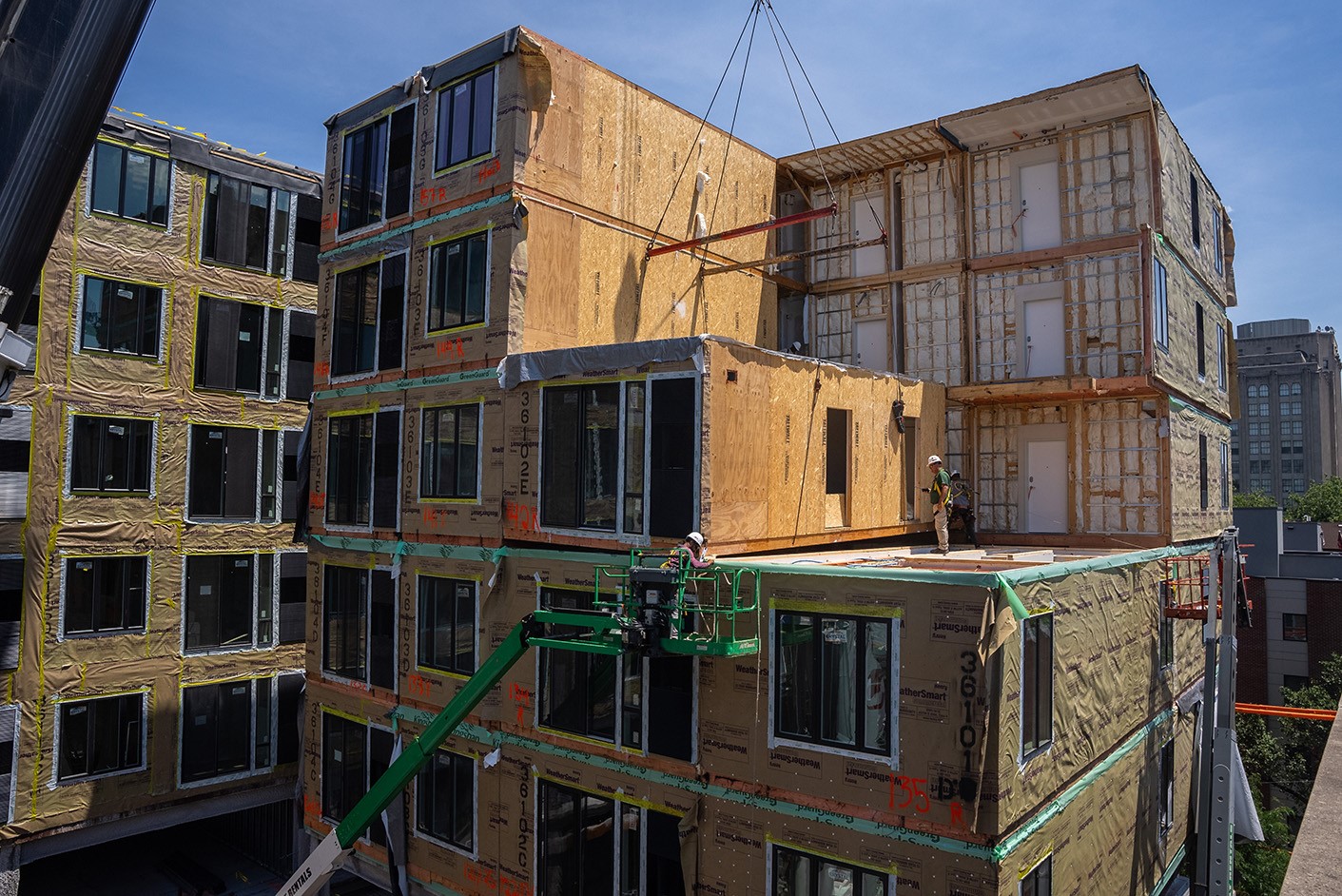
Will it continue to be primarily a single-family housing solution, or will its greatest success come from projects with two or more living units, commercial buildings, workforce housing developments, hotels, student housing, healthcare facilities, and multi-story apartment buildings?
I think the answer may surprise a lot of people.
The Single-Family Market Isn’t Going Away
Let’s start with the obvious.
America still needs millions of single-family homes. Young families want them. Retirees want them. Communities continue to grow, and homeownership remains a goal for a large percentage of the population.
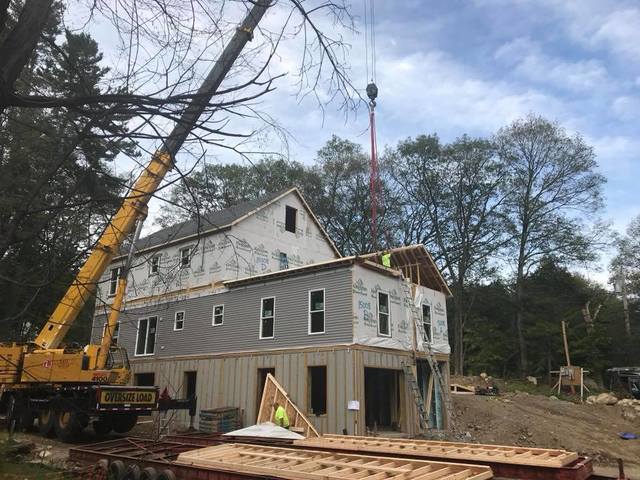
Modular construction has several advantages in this market. Factory production reduces weather delays, improves quality control, and often shortens construction schedules. In areas where skilled labor is difficult to find, modular can also reduce dependence on local trades.
Those advantages aren’t going away.
In fact, as younger buyers become more comfortable with technology and online purchasing, many may become more willing to consider factory-built housing than previous generations. A thirty-year-old homebuyer who orders groceries, furniture, and automobiles online may have fewer concerns about purchasing a home that was built in a factory.
The challenge is that the single-family market is also one of the most difficult places to scale production.
Every municipality has different zoning requirements. Every neighborhood has different expectations. Transportation costs can be significant. Site work remains expensive. Financing is often complicated. And many builders still prefer traditional construction methods.
As important as single-family housing will remain, it may not be where modular construction experiences its most dramatic growth.
Developers Think Differently Than Homebuyers
One of the biggest differences between a homebuyer and a developer is simple math.
A family buying a house considers the monthly mortgage payment. A developer building 200 apartments looks at schedules, labor availability, financing costs, and return on investment.

Every month a project sits unfinished costs money. Every weather delay costs money. Every labor shortage costs money. Every change order costs money.
That is where modular construction begins to look very attractive.
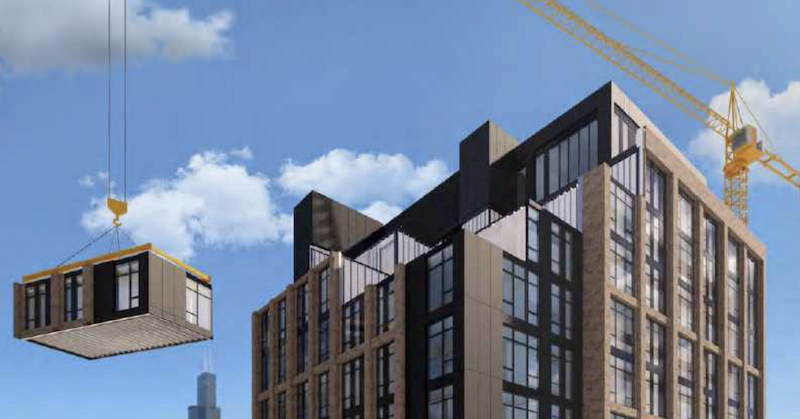
A developer doesn’t necessarily care whether a building was constructed in a factory or on a job site. What they care about is whether the building can be completed faster, more predictably, and with fewer surprises.
The larger the project becomes, the more valuable those advantages can be.
The Rise of Multi-Family Housing
If I had to place a bet on where modular construction will have its biggest impact over the next decade, multi-family housing would be very high on my list.
The housing shortage is not limited to single-family homes. In many cities, apartment shortages are even more severe.
Developers are under tremendous pressure to deliver affordable units while dealing with labor shortages, rising interest rates, increasing material costs, and lengthy construction schedules.
Modular construction offers an opportunity to significantly compress project timelines. Site work and factory production can occur simultaneously. Buildings can often be enclosed much faster than traditional construction methods allow. Revenue-producing units can come online sooner.
That combination gets the attention of developers, investors, and lenders.
More importantly, governments at every level are actively searching for solutions to housing shortages. Many are beginning to recognize that industrialized construction methods may be one of the few ways to significantly increase housing production.
Commercial Construction May Be the Silent Winner
While housing receives most of the headlines, commercial construction may quietly become one of modular’s biggest success stories.
Healthcare clinics, schools, government buildings, workforce housing, hospitality projects, senior living facilities, and student housing all benefit from the same advantages that attract apartment developers.
Many of these projects involve repetitive designs, predictable layouts, and strict schedules. Those characteristics fit modular construction extremely well.
A hotel developer doesn’t want to wait any longer than necessary before accepting reservations. A university doesn’t want student housing delivered after the semester starts. A healthcare provider wants new facilities operational as quickly as possible.
In each case, time equals money.
That reality creates opportunities for modular manufacturers that extend far beyond traditional housing.
The Labor Problem Isn’t Going Away
One reason I believe larger projects may drive modular growth is that the labor shortage isn’t improving fast enough.
For years, the industry has talked about attracting younger workers. While progress has been made, construction still struggles to replace retiring tradespeople.
Factory environments offer something many younger workers find appealing. Consistent schedules, controlled working conditions, modern equipment, technology integration, and year-round employment can be attractive compared to some traditional jobsite conditions.
At the same time, developers are becoming increasingly concerned about finding enough labor to complete large projects.
Modular construction helps address both issues.
Instead of trying to assemble dozens of trades at a crowded jobsite, much of the work can be completed in a controlled factory environment where efficiency and productivity are easier to manage.
A Different Industry Ten Years From Now
I don’t believe the modular home will disappear. Quite the opposite.
Single-family housing will continue to be an important part of the industry’s future. There will always be builders, developers, and homebuyers looking for better ways to build homes.
However, I suspect that when historians look back ten years from now, they may conclude that the industry’s greatest growth occurred elsewhere.
They may point to apartment complexes, workforce housing developments, hotels, student housing projects, healthcare facilities, and mixed-use developments as the sectors that truly pushed modular construction into the mainstream.
Those projects have something in common. They demand speed, predictability, quality, and scalability.
Those are exactly the strengths that offsite construction has been promoting for decades.
Modcoach Observation

The modular industry has spent years asking how many single-family homes it can build. The bigger question may be how many different types of buildings it can build. While single-family housing will remain important, the next decade may belong to developers, investors, and communities looking for faster ways to deliver hundreds of units at a time. If that happens, modular construction won’t simply become a housing solution. It will become a mainstream construction solution.