
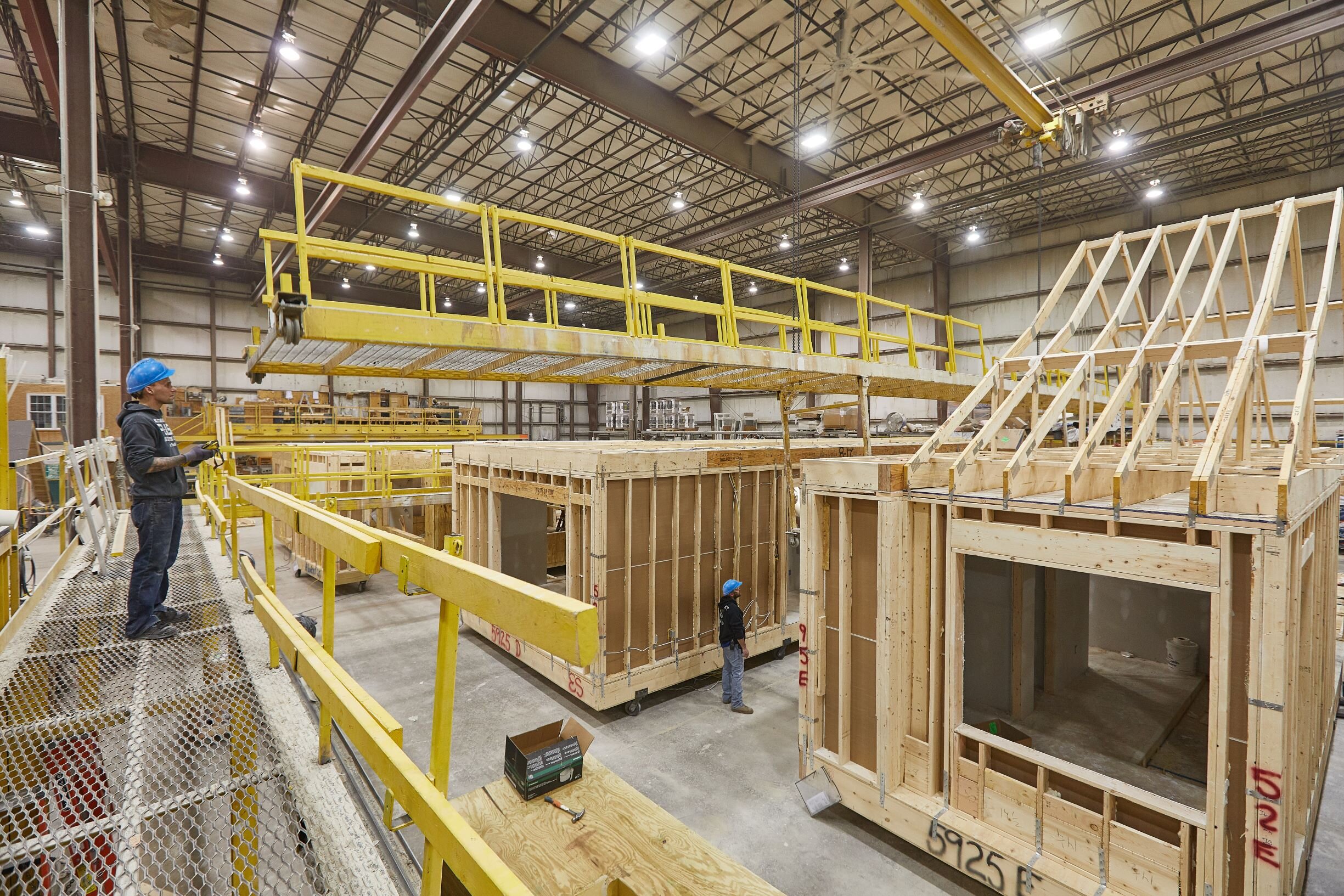
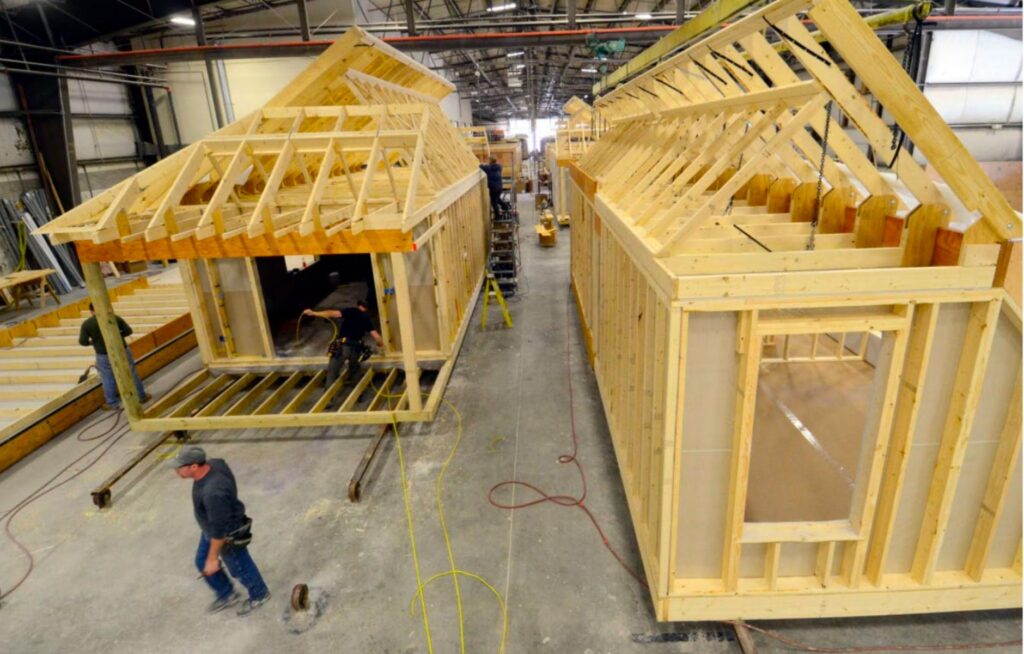
A couple of years ago, I toured a modular home factory on the East Coast that was as close to equilibrium as any operation I’ve seen in years. When I described it afterward to several friends in the offsite industry, the reaction was almost universal. They insisted that no such factory exists and suggested I must have accidentally wandered into Willie Wonka’s Chocolate Factory instead.
I assured them there were no Oompa Loompas building modules, and no, I won’t mention the factory’s name. I’d rather every factory owner and GM reading this believe I’m talking about theirs.
What impressed me wasn’t that the factory was perfect. It wasn’t. Every manufacturing operation has equipment issues, scheduling conflicts, labor challenges, supplier delays, and the occasional bad day. What stood out was how little energy was being wasted fighting those challenges. The operation felt balanced, and in today’s modular industry, balance may be one of the rarest achievements of all.
Looking Beyond Production Numbers
When people evaluate a factory, they often focus on the most visible measurements. They want to know how many modules are produced each week, how many employees work there, how large the facility is, or how much automation has been installed. While those numbers are important, they rarely tell the complete story.
I’ve seen factories operating at full capacity yet struggling financially, and others running below capacity while generating healthy profits and maintaining satisfied customers. The difference is usually found in how well all the moving parts work together. Manufacturing is not a collection of independent departments. It is a system, and when one part of that system falls out of balance, every other area eventually feels the consequences.
The Cost of Operating Out of Balance
Many of the problems facing modular manufacturers today have little to do with actually building homes. Engineering departments become overwhelmed with revisions, purchasing teams struggle with supply disruptions, transportation schedules become unpredictable, and customer service departments spend valuable time addressing issues that could have been prevented earlier in the process.
The result is that employees spend more time reacting than executing. Managers find themselves solving yesterday’s problems instead of planning tomorrow’s opportunities. I’ve often said that every efficiency gained inside the factory is often consumed by inefficiencies outside the factory. A faster production line cannot solve permit delays, site readiness issues, transportation bottlenecks, or poor communication between departments. When an imbalance exists, everyone works harder while accomplishing less.
Equipment Doesn’t Create Excellence
The factory I toured had good equipment, but the machinery itself didn’t impress me. What stood out was the discipline surrounding its use. Maintenance appeared proactive rather than reactive, schedules were realistic, and employees seemed to understand not only their jobs but also how their work affected the people around them.
There is a tremendous difference between a factory that runs fast and one that runs predictably. A machine that operates at maximum speed but frequently breaks down is not efficient. Likewise, a production line that exceeds expectations one week and falls behind the next creates uncertainty throughout the organization. True efficiency combines productivity, reliability, and consistency.
The Human Side of Equilibrium
Walk through enough factories, and you eventually learn how to read employee morale. It shows up in conversations, attitudes, and the overall atmosphere on the production floor. In balanced operations, employees generally know what is expected of them, communication flows freely, and problems are addressed before frustration turns into turnover.
In struggling factories, management often points to labor shortages as the primary issue. While workforce challenges certainly exist, chaos itself can become a retention problem. People rarely stay where confusion becomes normal and every day feels like a crisis.
The Three Foundations of Stability
Over the years, I’ve come to believe that factory equilibrium rests on three foundations: capacity, profit, and cash flow. Most companies focus intensely on one while paying insufficient attention to the others.
A factory operating at full capacity while losing money is not healthy. A factory reporting profits while struggling to meet payroll obligations is equally vulnerable. Likewise, a company with strong cash reserves but little future backlog eventually faces a different set of problems. The healthiest operations continuously monitor all three because they understand that success is measured by long-term stability, not short-term activity.
Adaptability Keeps Factories Competitive
The modular industry continues to evolve. New technologies are emerging, customer expectations are changing, and the demand for affordable housing remains stronger than ever. Factories that refuse to adapt may find themselves competing in a market that no longer exists.
The most balanced operations are not necessarily the most automated or the largest. They are often the most adaptable. They evaluate new ideas carefully, invest strategically, and understand that equilibrium is not something you achieve once and keep forever. It requires constant attention, continuous improvement, and a willingness to adjust as conditions change.
Modcoach Observation

A balanced modular factory is not defined by the absence of problems. Every factory faces challenges. What separates exceptional operations from struggling ones is how effectively they manage those challenges before they become disruptions.
The best factories don’t spend their days putting out fires. They spend their days preventing them. When production, quality, workforce management, equipment reliability, cash flow, customer satisfaction, and adaptability work together, something remarkable happens. The factory stops fighting itself and can finally focus on what it was built to do: consistently deliver quality homes while building a sustainable business for the future.