
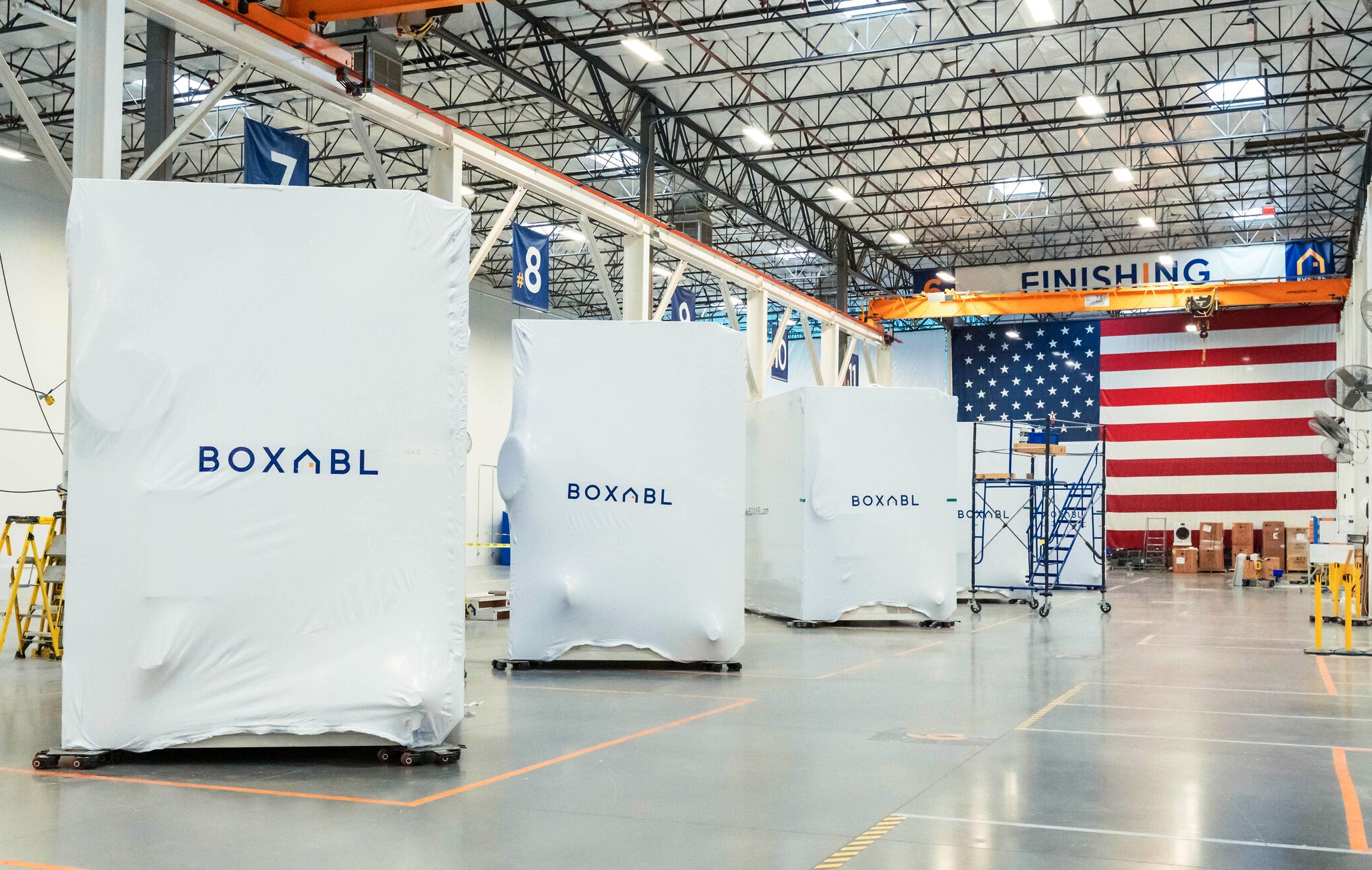
Boxabl is now a public company, trading on Nasdaq under the ticker symbol BXBL after completing its merger with FG Merger II Corp. The transaction assigned the company a $3.5 billion valuation, and it gives Boxabl access to public markets at a time when the country is still looking for faster, less expensive ways to create housing.
That is a big moment for a company that has spent years attracting attention with a simple, memorable image: a small house that folds up, rides down the highway, arrives at a site, and unfolds into a finished living space.
It is an image that people remember. It is also an image that leaves many questions unanswered.
Now that Boxabl is public, those questions matter more than ever. Investors will ask them. Developers will ask them. Lenders, building officials, homeowners, and city planners will ask them. And somewhere in the middle of all those questions is one that Boxabl needs to answer clearly:
What, exactly, does Boxabl want to be?
The Casita Started the Conversation
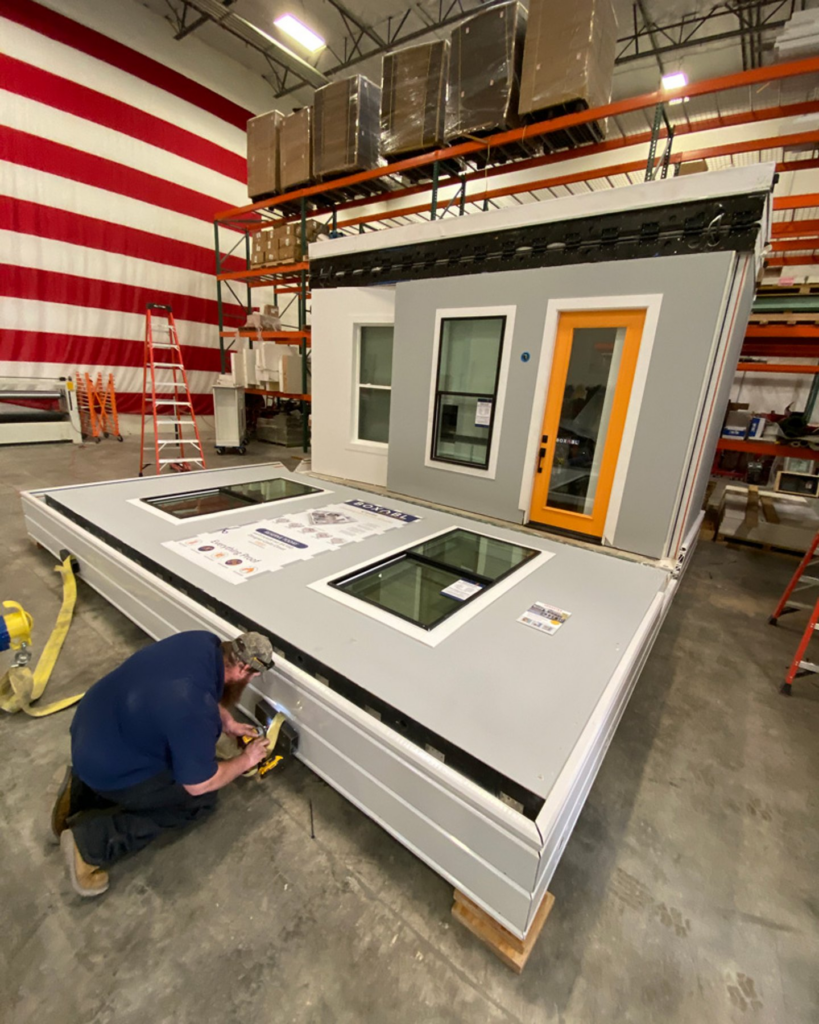
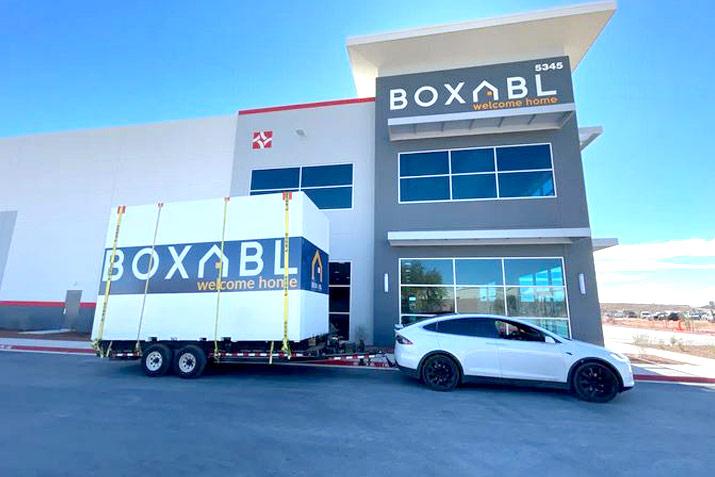
The product most people associate with Boxabl is the Casita, a 361-square-foot unit with a kitchen, bathroom, and open living area. It is designed to be manufactured in the factory, folded for transportation, and unfolded on-site.
It is clever. It is different. It is the kind of product that makes people stop scrolling on LinkedIn or watch another video online.
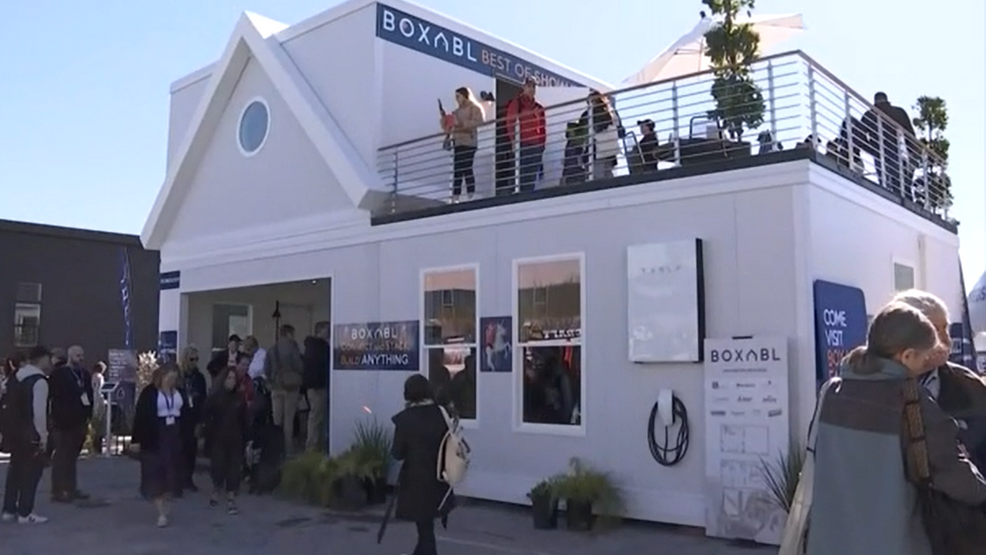
For many people, the Casita looks like an ADU. Put it in a backyard and it becomes a home for an aging parent, an adult child, a caregiver, or a renter. It could also serve as a small vacation cabin, a guest house, or a compact first home for someone who does not need much space.
That alone could be a substantial business.
The ADU market is growing because it solves a real problem. Families need more living space without moving. Older parents want to remain close to family without living under the same roof. Homeowners want rental income. Communities need more housing but often resist major apartment development.
If Boxabl decided it wanted to become the best-known, easiest-to-buy, most dependable ADU company in America, that would be understandable. It would give the company a clear customer, a clear message, and a clear list of problems to solve.
But Boxabl does not appear to want to stop there.
Is It a Tiny Home Company?
The company also offers the Baby Box, a smaller 120-square-foot unit intended for simpler use and built to RV code. That opens another possible direction.
Tiny homes have captured the public’s imagination for years. They promise simplicity, affordability, mobility, and freedom from the high cost of a traditional house. The problem is that what sounds good on a television show or social-media video can become far more complicated when someone tries to live in it full-time.
Where can it be placed? Is it legal? Is it considered a home, an RV, a temporary structure, or something else? Can it be financed? Can it be insured? Can it be connected to water, sewer, power, and internet service? What happens when the buyer wants to sell it?
Those are not small questions. They are the difference between a clever product and a dependable housing solution.
The tiny-home market has room for innovation, but it is also crowded with companies that discovered there is a big difference between selling a dream and building a repeatable business. A tiny home may be part of Boxabl’s future, but it should not be confused with solving America’s housing shortage.
A 120-square-foot unit may be useful in the right situation. It may even be life-changing for the right person. But it is not likely to become the answer for the regular family looking for a two- or three-bedroom home in a school district they can afford.
Is It a Disaster and Workforce Housing Company?
Boxabl also talks about public-sector uses, including military, workforce, homelessness, and FEMA-related housing. This may be one of the most practical directions the company could pursue.
After a hurricane, wildfire, flood, or other disaster, communities need shelter quickly. Military bases need housing. Remote work sites need housing. Growing communities need places for teachers, nurses, first responders, and workers to live.
Those markets do not always need a traditional suburban home with a two-car garage and a front porch. They need durable, transportable, quickly deployable housing that can be installed efficiently and used safely.
That is a much different business from selling one Casita at a time to homeowners. It requires government relationships, bulk purchasing, logistics, regulations, site planning, service agreements, and a willingness to work through long procurement cycles.
It may also be more suited to a company built around factory production and transportation efficiency.
But if Boxabl wants to be a major supplier of disaster relief, workforce, or institutional housing, it needs to say so. It needs to build a sales organization, a service organization, and a reputation that matches that mission. A government agency or large employer does not buy a product simply because it looks good in a video. It buys reliability, capacity, compliance, and confidence.
Is It a Developer’s Building System?
Then there is the larger vision: stackable and connectable units that could become townhomes, multifamily buildings, and larger single-family homes.
This is where Boxabl’s story becomes more ambitious and more difficult.
A factory-built building system capable of producing larger homes and multifamily projects could be a far bigger opportunity than selling individual Casitas. It could place Boxabl in the world of developers, builders, landowners, and municipalities that need hundreds or thousands of housing units.
It could also put the company into direct competition with experienced modular manufacturers, panelized builders, conventional builders, and other industrialized-construction companies that already understand the complications of larger projects.
This is not just a question of whether boxes can connect. It is a question of engineering, code approvals, fire ratings, transportation, crane access, foundations, financing, utility coordination, local labor, warranties, and project management.
Anyone who has spent time in offsite construction knows that building the module is only part of the job. The factory may be able to produce a unit in a controlled environment, but the project still has to work on a piece of land in a real city or town with real inspectors, real neighbors, real site conditions, and real schedules.
That is where many big modular dreams have run into trouble.
The Danger of Trying to Be Everything
Boxabl may believe it can be all these things: an ADU company, a tiny-home company, a disaster-relief supplier, a workforce-housing provider, a multifamily building system, and a future single-family-home manufacturer.
Maybe it can.
But when a company tries to speak to every possible buyer, it can leave each buyer wondering whether the product was really designed for them. The homeowner may see a disaster shelter. The developer may see an expensive tiny home. The city planner may see an RV. The lender may see something difficult to classify. The factory-built housing industry may see a company still trying to decide whether it is selling a product, a building system, or a vision.
That uncertainty can hold a company back.
Regular new-home buyers, especially, do not want to become pioneers in a category they do not understand. They want to know what they are buying, what it will cost, where it can go, how it will be financed, who will service it, and what it will be worth later.
They want a home, not a science experiment.
A First Market Does Not Limit the Dream
Boxabl does not have to give up its long-term ambition. It can still develop larger connected systems, public-sector housing, and other products. It can still pursue a future in which housing is manufactured more like automobiles, with repeatable components and faster production.
But it needs to establish a beachhead first.
If it chooses ADUs, it should own ADUs. If it chooses workforce and disaster housing, it should become the company agencies and employers call first. If it chooses developers and multifamily projects, it needs to prove it can deliver complete projects repeatedly, not simply create interesting prototypes.
A public company needs more than an exciting future. It needs a clear path from product to customer to revenue to profit.
Gary’s Observation

Boxabl has done something few companies in offsite construction have ever accomplished: it has made millions of people pay attention to factory-built housing. That is no small achievement.
But public attention is not the same as public acceptance.
The company’s next challenge is not to convince people that a folding house is interesting. It is to convince them that Boxabl understands exactly who it is building for and what problem it is uniquely qualified to solve.
The housing industry does not need another company with five exciting ideas and no clear identity. It needs companies that can deliver homes, solve problems, keep promises, and stay in business long enough for buyers to trust them.
Now that Boxabl is public, the question is no longer whether people have heard of it.
The question is whether they will understand it.