



There are more “experts” in offsite construction today than I have ever seen before. Each one seems to have a software platform, an app, an AI solution, a robotics package, a new business model, or a disruptive idea that is supposed to change housing forever.
Some are very good at what they do. Some have solved a real problem. Some have spent years in the industry and earned the right to speak with authority.
But too many have only touched one small part of offsite construction and then decided they understand the entire elephant.
That is the danger.

The old story about blindfolded people trying to describe an elephant fits our industry perfectly. One feels the trunk and believes the animal is a giant snake. Another touches a leg and insists it is a tree trunk. Someone at the back finds the tail and comes away with a completely different conclusion.
They are all touching something real. They are all partly right. But none of them understands the whole animal.
That is offsite construction today.
Knowing One Part Is Not Knowing the Whole Industry
Modular construction is not one thing. It includes design, engineering, code compliance, purchasing, factory production, transportation, setting, site work, financing, inspections, scheduling, workforce training, sales, warranty, and cash flow.
A person can be brilliant at software and still not understand what happens when a 14-foot-wide module is delayed at a jobsite. A person can understand robotics but have no idea what happens when a developer changes a building design after engineering has started. Someone can be an expert in apartment development and still not understand why a factory cannot hold open production capacity for six months while permits, financing, tax credits, and zoning approvals crawl forward.
Several years ago, I invited an offsite housing “expert” to tour a modular factory with me. As we watched the production line, he asked when the steel frame would be added to the house.
He had toured two factories before that day. Both were manufactured housing plants.
There is nothing wrong with manufactured housing. But he was speaking as an offsite expert without understanding one of the most basic differences between HUD-code manufacturing and true modular construction.
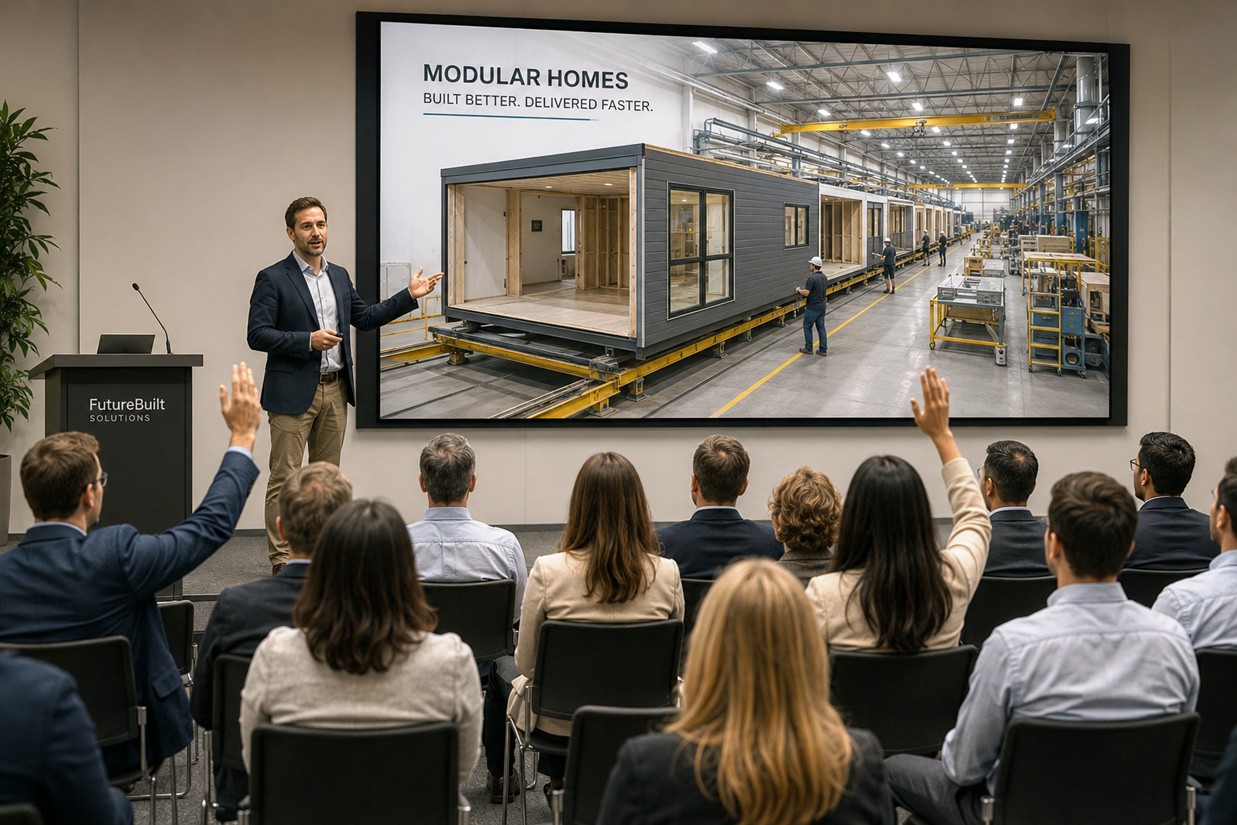
That was then. Today, I see the same thing happening on a much larger scale. It is happening at conferences, in webinars, on podcasts, in LinkedIn posts, and in private presentations to investors and developers who are eager to believe that offsite construction is a simple answer to a very complicated housing problem.
The Kool-Aid Is Still Being Served
Developers and investors are often told exactly what they want to hear.
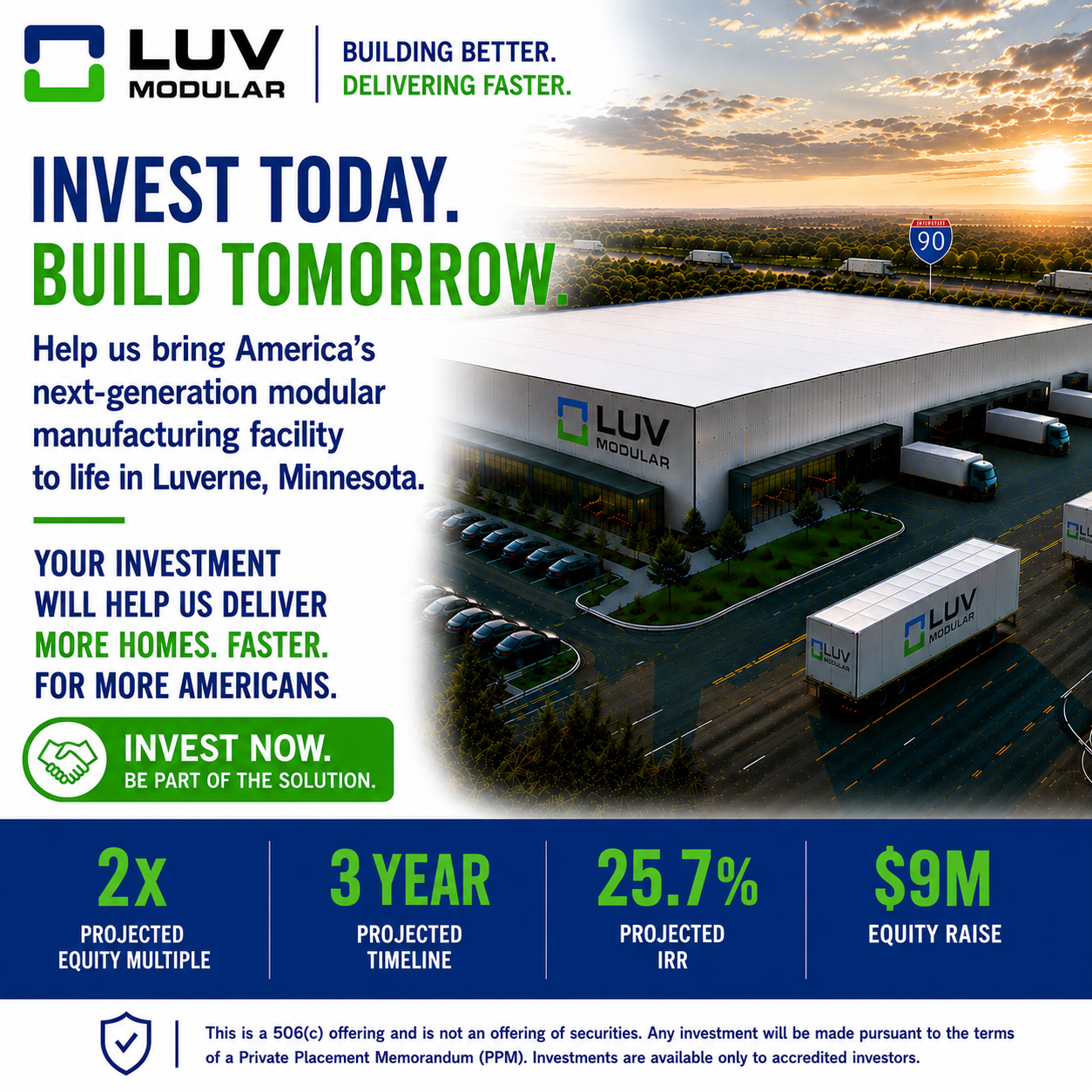
“Modular will save you 25 percent.”
“You can build the project in half the time.”
“The factory will be ready whenever you are.”
On paper, that sounds like the perfect answer for a five-story apartment building, a hotel, workforce housing development, or affordable housing project. The problem is that those promises are often made without understanding the project, the factory, the market, or the timing.
I know of no modular factory that can simply promise every project will cost 25 percent less than site-built construction. There may be savings in certain situations, especially when a project is designed properly for modular from the beginning, but broad claims like that have hurt the industry more than they have helped it.
The “half the time” statement is also misleading. Modular can shorten a project schedule because site work and factory production can happen at the same time. That is a real advantage. But modular does not eliminate the time needed for design, engineering, approvals, financing, transportation, setting, utility work, inspections, and final completion.
You may save meaningful time. You may not save half the time.
And then there is the question nobody seems to ask until it is too late: “Can the factory actually build my project when I need it?”
A Factory Cannot Wait Forever
Factories cannot afford to sit idle while a developer works through financing, permits, tax credits, zoning issues, code questions, and design changes. Payroll comes every Friday. Suppliers need to be paid. Production workers need work.
If a factory produces 15 modules per week and a developer has a 75-module project, that developer is asking the factory to devote five full weeks of production to one project. That commitment has to be real, funded, engineered, approved, and ready to move.
If the project gets delayed a week before production is scheduled to begin because financing falls apart or zoning approval is pushed back, the factory cannot simply stop and wait. It has to put other work on the line or lose money.
That is one reason a factory can have a full pipeline of potential work and still find itself in financial trouble. Potential projects do not pay the bills. Modules moving down the line do.
People often ask why a modular factory would close when there is so much demand for housing and so many projects looking for offsite solutions. The answer is that demand and factory-ready projects are not the same thing.
A factory cannot build promises, PowerPoint presentations, or letters of intent.
The Right Factory Matters More Than Most People Realize
I recently heard about a developer who spent countless hours meeting with the sales and management people at a modular factory. Everyone liked the project. Everyone thought it had potential.
Then the project reached engineering.
The engineering department determined that the factory could not build what the developer wanted. The developer eventually went back to site-built construction, believing modular was not a fit.
The sad part is that another factory within a hundred miles had successfully built similar projects. The developer simply did not know where to look, what questions to ask, or how to determine whether the first factory was the right factory.
This is why a developer should not depend only on a factory sales presentation, no matter how impressive it may be. The factory may be excellent, honest, and capable—but not necessarily capable of that particular project.
There is a big difference.
Before beginning serious discussions with a factory, developers, builders, and investors should find someone who understands modular reality: the product, the production process, the factory’s capacity, transportation, setting, timing, and the ugly little problems that never appear on the first set of drawings.
That is not anti-factory. It is pro-project.
Modular Reality Is Still Very Good News
Despite everything I have said, I remain convinced that modular construction is one of the best ways to build homes, apartments, hotels, ADUs, workforce housing, and many other types of buildings.
It can save time when the project is designed and scheduled correctly. It can save money in the right circumstances. It produces a consistent, high-quality product in a controlled environment. It is inherently more energy-efficient, less wasteful, and more sustainable than many traditional building methods.
The foundation and site work can move forward while modules are being built in the factory. Builders and developers can visit the factory and see their project being produced. The workers building those modules show up every day, work in a stable environment, and become highly skilled at their individual stations.
Modular is not magic. It has limitations, just as every construction method does.
But when the right project is matched with the right factory, the right design, the right schedule, and the right people, modular can be an exceptionally powerful solution.
Gary’s Observation

Winston Churchill once made the point that democracy may be imperfect, but it is still better than all the alternatives that have been tried.
That is how I feel about modular construction.
It is not perfect. It can be misunderstood, oversold, delayed, and mishandled by people who believe they know more than they do. But when it is done right, it remains one of the best construction methods available today.
The answer is not to listen harder to the person claiming to have reinvented offsite construction. The answer is to find the people who understand the entire elephant—and who are honest enough to tell you where modular will work, where it will not, and what it will take to make your project succeed.