



I like a housing story that starts with someone who has decided to put down roots in a community and wants to help others do the same. That approach feels practical. Before anyone starts talking about transforming the entire housing industry, there is a local question to answer: Can we build homes that people here want and can afford?
That is what makes the activity on Sarah Kate Way in Gordon, Georgia, worth watching. According to 13WMAZ, Derrick Morris of Impresa Modular of Middle Georgia is bringing several new modular homes to the community, offering another housing option for first-time buyers and longtime residents. Morris has made Gordon his permanent home, giving this effort a personal connection to the city and Wilkinson County. Read the original report.
Start With the Local Buyer
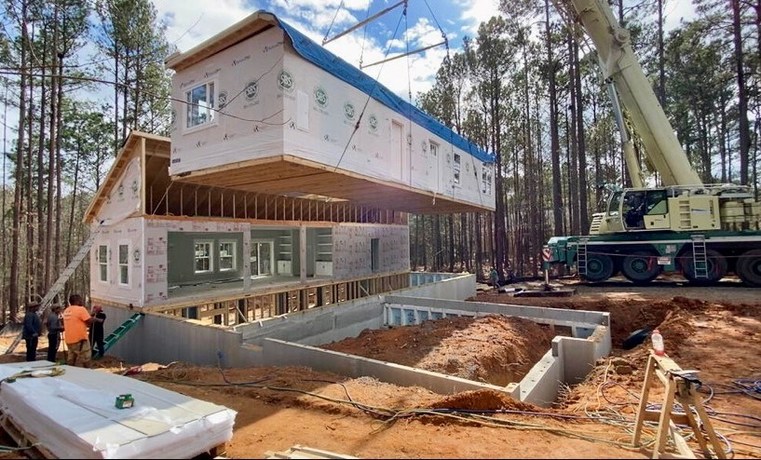
Morris says modular construction can help reach a price point suited to this market. Homes are built in sections off-site, then transported to the property and assembled. The opportunity he sees includes first-time homebuyers and existing residents who want something smaller and newer.
That is where I believe more housing conversations should begin. Who is the buyer? What can that buyer comfortably spend? What size home actually makes sense? A factory can produce a beautifully finished house, but the business case still depends on matching that house to the community where it will be placed.

Franchise Owner
I would rather see a builder work through those questions before ordering the first home than discover afterward that the product and the local paycheck have very little in common. Getting the house built is one accomplishment. Getting the right house built for the right buyer is what creates the possibility of doing it again.

The Price Difference Deserves an Honest Conversation
One important detail in this story should stay front and center. Morris puts Gordon’s average home price at about $117,000 and says some of the new homes could cost roughly $130,000 more. That would put those homes around $247,000, based on his figures.
That is a substantial difference, and calling a home modular does not make that difference disappear. A buyer has to qualify for the purchase and live with the monthly payment. We should be just as willing to discuss that reality as we are to discuss the advantages of factory construction.
At the same time, comparing an older house with a new one requires more than looking at the asking prices. I would want to know the condition of the roof, heating and cooling equipment, plumbing, and other major components. A lower purchase price can leave room for repairs, but buyers need a realistic estimate of those repairs before deciding which option fits their finances.
None of that automatically makes the newer house the better purchase. It means affordability deserves a full conversation, with real costs attached, not a slogan.
Downsizing Is Part of the Housing Market, Too
Morris also reports interest from residents looking to leave larger homes, including houses that are 40 to 50 years old and need repairs. That part of the story caught my attention because housing discussions so often begin and end with the first-time buyer.
I think builders have room to spend more time asking existing homeowners what they need next. How much space do they still use? What maintenance has become burdensome? Would a smaller home help, and could they make the move without creating a new financial strain?
Those are useful questions for a modular builder because they help define the product before production begins. Downsizing buyers may have very different priorities from a growing family, even when both are shopping in the same community.
A Housing Opportunity Has a Main Street Connection
The report also introduces Maya Whipple, owner of Gordon’s Zesty Bake and Create. She hopes to buy her first home within the next few years and welcomes the prospect of additional housing and the connections new residents could bring.
To me, her perspective gives this story its human scale. A local business owner is working toward a home in the community where she is building her livelihood. That is a good reason to ask whether the housing being delivered will serve people like her.
I would measure progress by what happens after the homes arrive. Do they sell to the intended buyers? Are those buyers satisfied? Can the builder repeat the process at a price the next group of customers can manage? Those answers will tell us much more about the opportunity than the excitement of installation day.
Gary’s Observation

I have spent enough time around this industry to appreciate the value of a project that begins with a clear understanding of its community. Gordon’s new homes deserve attention because they give us something concrete to watch: a builder bringing another housing option to a local market, with interest from people at different stages of homeownership.
Now comes the part that matters most—making the numbers work for the people who want to live there. If these homes find their buyers and the process can be repeated, that is a meaningful achievement. A few successful homes can give a builder, a buyer, and a community the confidence to take the next step.