





I have heard plenty of promises about making construction faster, less expensive, and more predictable. Usually, somewhere between the presentation and the finished building, those promises run into the same problems: incomplete information, decisions made too late, and people who thought somebody else was handling it. That is why a forecast suggesting artificial intelligence could cut construction costs by as much as 20% deserves both our attention and a few good questions.
According to CoStar, research by Suffolk and teams at MIT examined a completed San Francisco multifamily development and estimated that incorporating AI could have reduced construction costs by 17% to 20% and shortened building time by 22% to 25%. Those are potential savings identified through analysis, rather than documented reductions achieved on that project. Still, they give this industry something worth discussing beyond another impressive technology demonstration. Read the CoStar article.
Finding the Cost of Getting Things Wrong
What interests me most is the chance to catch expensive problems while there is still time to act. Think about a purchasing decision made before the drawings are settled, a crew scheduled before its materials arrive, or a design conflict discovered after somebody has already built the wall. Each of those situations carries a cost, even when it never shows up under a budget heading called “avoidable mistakes.”

My question for anyone selling AI to construction companies would be simple: Which of those problems will your system help us prevent, and how will we measure the improvement? A contractor should be able to identify what changed, what it cost to implement, and whether the benefit continued on the next project. That is where an interesting demonstration begins to earn its place in the business.
An Opportunity for Offsite Construction
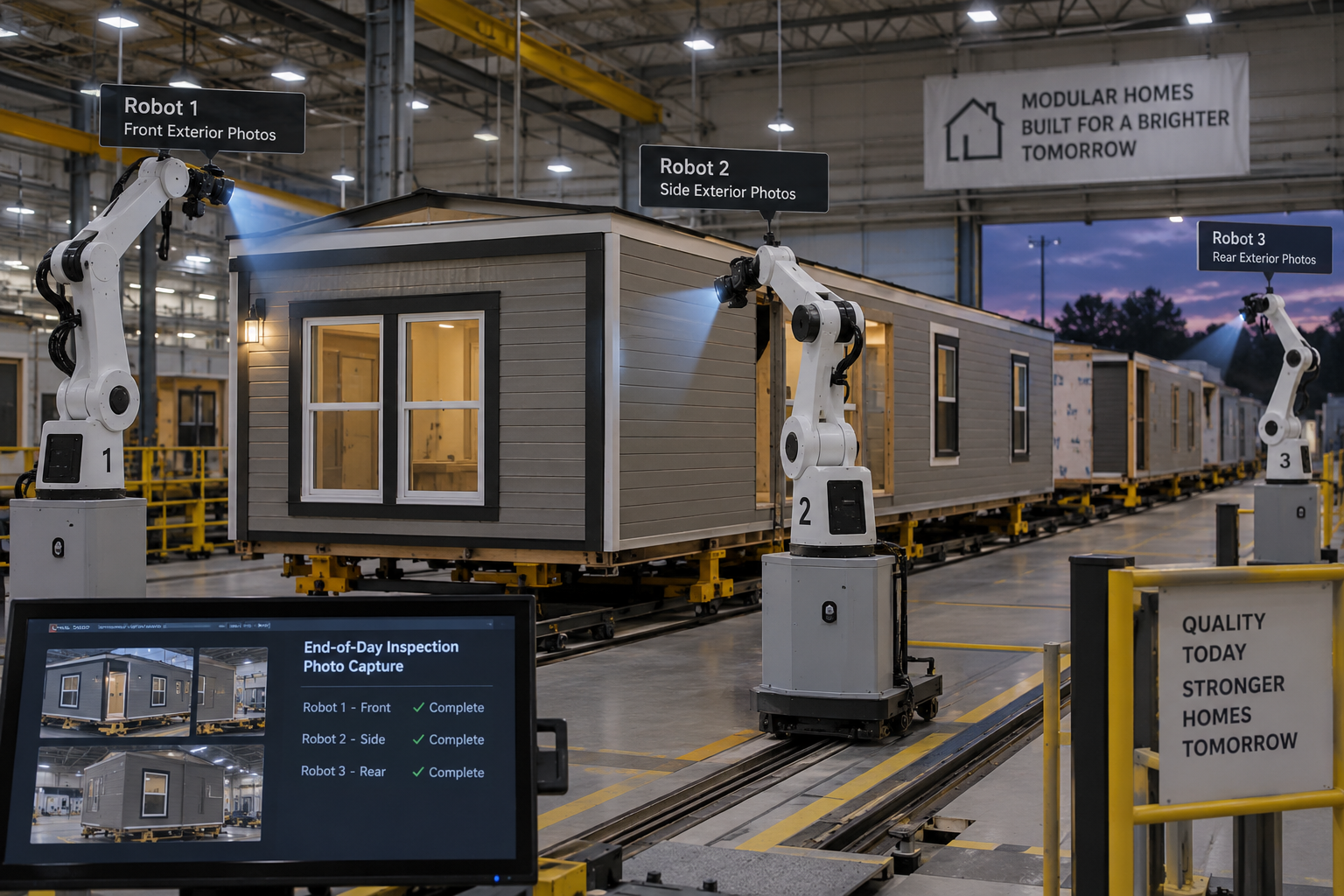
For modular and offsite companies, I see a particularly useful question here: Could better information help connect sales commitments, engineering, purchasing, factory production, transportation, and site readiness? A factory manager needs to know whether the next module can move through the entire delivery process, not simply whether there is room to build it.
I would want to judge an AI investment partly on its ability to help managers see those dependencies earlier. Moving a problem from the production floor to the storage yard does very little for the company writing the checks. Helping prevent that problem would be a benefit worth paying for.
Gary’s Observation

I am encouraged by the possibility, but I would advise every owner to begin with one recurring, expensive problem. Establish what it costs today, give the technology a clearly defined job, and measure the results honestly. Even an improvement well below 20% could matter to a company working hard to protect its margin.
The management obligation remains the same: ask better questions and follow through on the answers. If AI helps us recognize trouble earlier, coordinate decisions, and stop paying repeatedly for the same mistakes, it will have earned our attention. The percentage in the headline gives us a reason to look; the results inside the business will give us a reason to keep using it.