




A Warning Beyond the Factory Floor
I spend a lot of time writing about the challenges facing offsite construction, and there is certainly no shortage of material. Factory closures, struggling startups, cash shortages, and ambitious expansion plans deserve scrutiny. But sometimes we focus so much on what is happening inside the factories that we forget to look over the fence. Traditional construction has its own serious problems, and building a house on a jobsite does not automatically make the business behind it financially sound.
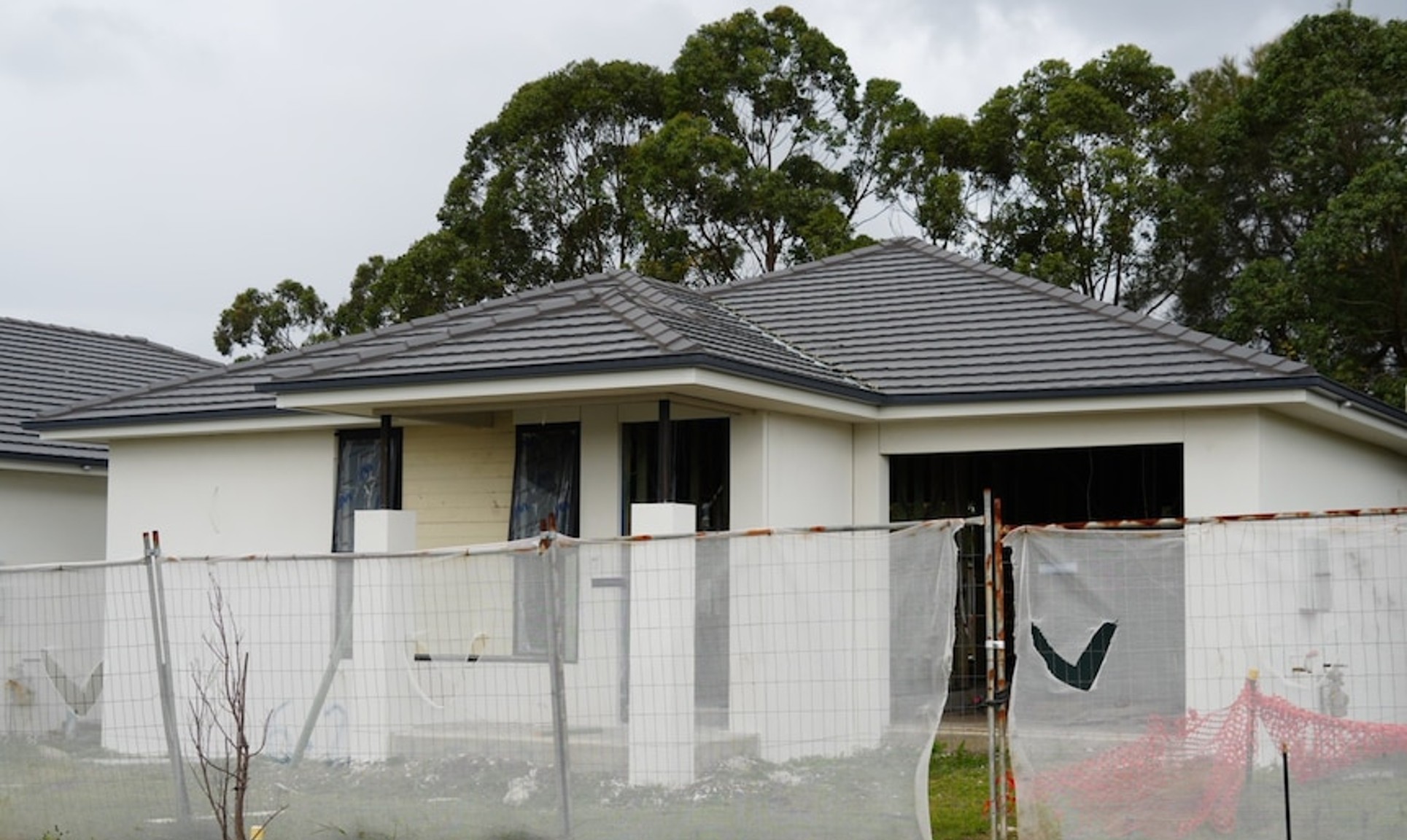
Consider Australia’s Bathla Group. In its August 27 report, ABC News described administrators seeking approximately A$20 million to keep the developer operating and construction moving for just five weeks. Roughly 2,000 homes were under construction, with another 13,000 in the development pipeline. Those numbers should give anyone in housing pause. A substantial pipeline can suggest opportunity, but it cannot substitute for the money needed to finish work already underway. Read the ABC report.
The Bills Arrive Before the Finish Line
What concerns me most is what happens to the people depending on those projects. ABC reported that contractor Delta Foundations said it was owed nearly A$400,000, while homebuyers faced uncertainty about completion. At the time, administrators were assessing developments individually to determine how work could proceed. For those waiting, the consequences were personal: money already committed, work already performed, and plans that could no longer be made with confidence.

For me, that raises a question every construction business should ask: How much work can we actually afford to carry? A factory owner has to fund materials and labor before a module becomes a completed sale. A site builder has to manage payments, subcontractors, and unfinished work through a different production process. The details differ, but both need enough financial breathing room to survive delays. Adding another project can make a sales report look better while shrinking that breathing room.
Better Construction Requires Better Business
None of this gives offsite construction permission to ignore its own shortcomings. We still need realistic production targets, disciplined management, dependable quality, and customers whose projects are ready to move forward. But I would like to broaden the discussion. When we evaluate a construction company, we should ask whether it can complete projects profitably, pay the people doing the work, and manage commitments already made. Where someone installs the walls answers only part of that question.
I believe offsite can help improve how we deliver housing, but its advantages need a sound business underneath them. Faster production is useful when financing, site readiness, transportation, and installation can support it. Traditional builders need that same coordination across their own operations. Bathla’s situation should encourage a broader conversation about what healthy construction businesses require, because improving one method of building will accomplish too little if the companies and people around it cannot finish their part of the job.
Gary’s Observation

I want offsite construction to succeed, and I want the builders, developers, and subcontractors working alongside it to succeed, too. We depend on one another far more than our separate industry conversations sometimes suggest. My concern is that we spend so much time asking how to build more homes that we give too little attention to whether the businesses delivering them can remain healthy through completion. That deserves a place at every construction roundtable, whether the people in the room own a factory or have never set foot inside one.