


Every time the affordable housing crisis comes up, someone eventually asks a question that makes many people uncomfortable.
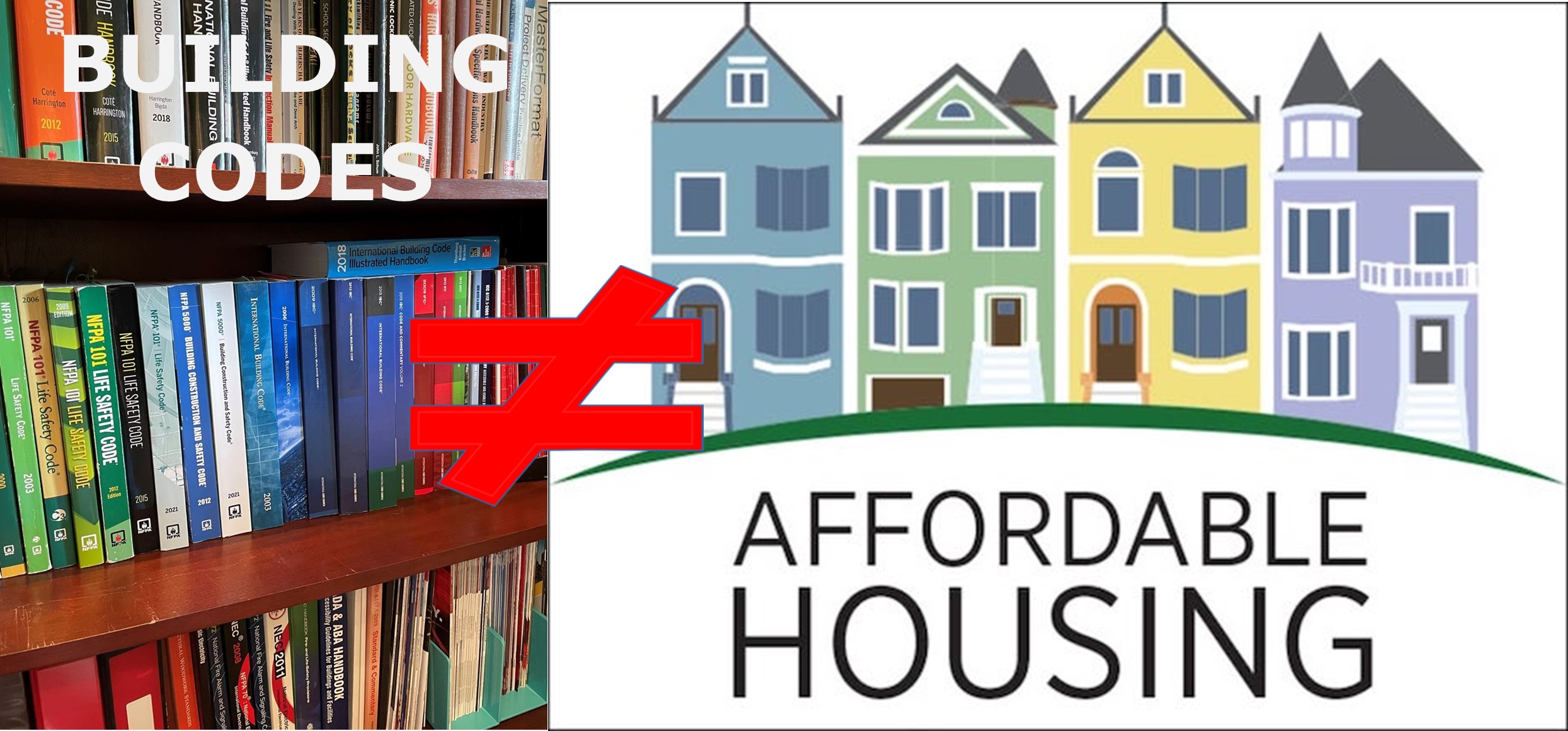
If millions of Americans need affordable housing and builders are struggling to deliver it at a price people can afford, why not simply build homes to the bare minimum code requirements—or perhaps even relax some of those requirements altogether?
On the surface, it seems like a reasonable question. Housing costs continue to climb, regulations continue to multiply, and the dream of homeownership moves further out of reach for many families every year. If reducing requirements lowers costs, shouldn’t that help solve the problem?
The reality is much more complicated than that.
Understanding What Building Codes Really Are
One of the biggest misconceptions in construction is that building codes represent a premium standard. In truth, building codes are already designed to be minimum standards. They establish the lowest acceptable level of safety, health, and structural performance that society has agreed upon. They are not intended to create the perfect home, nor are they designed to guarantee luxury, comfort, or even long-term durability. Their primary purpose is to ensure that homes are reasonably safe places for people to live.
Because of that, discussions about reducing standards often create concern among regulators, engineers, and building professionals. Once construction falls below established code requirements, the conversation is no longer about reducing costs. It becomes a discussion about what level of risk society is willing to accept in exchange for lower housing prices.
The Reason Many Regulations Exist
It is easy to view building regulations as bureaucratic obstacles, especially when they add costs and delays to projects. However, many of the requirements found in today’s code books were written in response to real-world failures. Fires, structural collapses, storm damage, unsafe electrical systems, and other tragedies have shaped the regulations builders follow today.

Over time, each incident produced lessons that eventually became part of the code. Requirements for fire separation, stronger wind resistance, improved electrical systems, and accessibility standards did not appear randomly. They were created because previous standards proved inadequate. While not every regulation is perfect and some certainly deserve reconsideration, the history behind them helps explain why eliminating requirements often generates significant resistance.
The Difference Between Initial Cost and Long-Term Cost
Another factor that complicates the debate is the difference between affordability at purchase and affordability over the life of a home. A lower-priced house may look attractive when the contract is signed, but if that home experiences frequent maintenance issues, high utility bills, premature component failures, or expensive repairs, the long-term cost of ownership can become overwhelming.
For many homeowners, especially first-time buyers, unexpected expenses can be just as damaging as a high mortgage payment. That is why many housing experts evaluate life-cycle costs rather than focusing solely on the initial construction price. The goal is not simply to build the least expensive house possible. The goal is to create housing that remains affordable throughout its useful life.
When Regulations Go Beyond Safety
While most people support maintaining basic health and safety standards, there is a growing debate about regulations that extend far beyond those objectives. In many communities, builders face requirements involving architecture, landscaping, parking ratios, lot sizes, design reviews, permitting procedures, and impact fees that have little connection to occupant safety.
Individually, these requirements may appear reasonable. Collectively, however, they can add tens of thousands of dollars to a home’s cost before construction even begins. Developers frequently point out that many jurisdictions simultaneously promote affordable housing while enforcing regulations that make affordability increasingly difficult to achieve.
This is where much of the current housing debate is centered. The question is no longer whether homes should be built safely. The question is whether every regulation being imposed actually contributes enough value to justify the additional cost.
Lessons from Manufactured Housing and Offsite Construction
Manufactured housing provides an interesting example of how alternative approaches can reduce costs without abandoning safety. For decades, HUD Code homes have offered a more affordable path to homeownership for millions of Americans. Although these homes are built under a different regulatory framework than site-built housing, they still meet federally established standards designed to protect occupants.
The success of manufactured housing demonstrates that innovation, efficiency, and alternative construction methods can often produce meaningful savings without sacrificing safety. The same lesson applies to modular and offsite construction. By improving production efficiency, reducing waste, and streamlining processes, offsite manufacturers have shown that affordability gains do not necessarily require lowering standards.
Instead, the opportunity often lies in finding smarter ways to achieve those standards.
The Search for Balance
The affordable housing crisis is unlikely to be solved by eliminating building codes, just as it is unlikely to be solved by continuously adding new requirements. Somewhere between those two extremes lies a balance that protects public safety while preserving affordability.
Finding that balance will require policymakers, regulators, builders, developers, and manufacturers to carefully examine which requirements truly serve the public and which may simply be adding cost without delivering meaningful benefits. As housing shortages continue to grow, those conversations will become increasingly important.
Modcoach Observation

After spending decades around housing and construction, I’ve come to believe that the biggest problem isn’t the building code itself. It’s the accumulation of layer after layer of requirements, reviews, mandates, and approvals that get added over time without anyone stopping to calculate their combined impact. Most were created with good intentions, but good intentions don’t make a home affordable.
The challenge facing our industry isn’t deciding whether homes should be safe. That question was answered long ago. The challenge is determining whether every additional requirement truly improves the lives of the people who will live in those homes or simply makes those homes harder to afford. Until we have that conversation honestly, affordable housing will remain just out of reach for many of the families we’re trying to help.