


I have spent enough years watching the offsite construction industry to know that building a good module is only part of building a successful housing business. A factory can have talented employees, carefully engineered designs, and an efficient production line, yet still depend on someone else to secure the land, money, approvals, and site work. When those pieces fail to come together, the factory’s capabilities can accomplish only so much.
That is why British offsite company Reds10 has caught my attention. Its newly launched Reds10 Developments brings development, funding, manufacturing, and delivery together to pursue affordable housing. To me, that raises an interesting question for our entire industry: how much more effective could factory construction become if the people producing the buildings were involved earlier in making the projects possible? Reds10’s launch announcement
An East Yorkshire Factory With a Broader Foundation
Reds10 dates back to 2006 and operates across defense, education, healthcare, justice, and residential construction. Its approach emphasizes designing buildings for manufacture and assembly, with its own workforce and facilities supporting delivery. That gives its housing expansion a foundation in an existing construction business with experience serving several markets. About Reds10
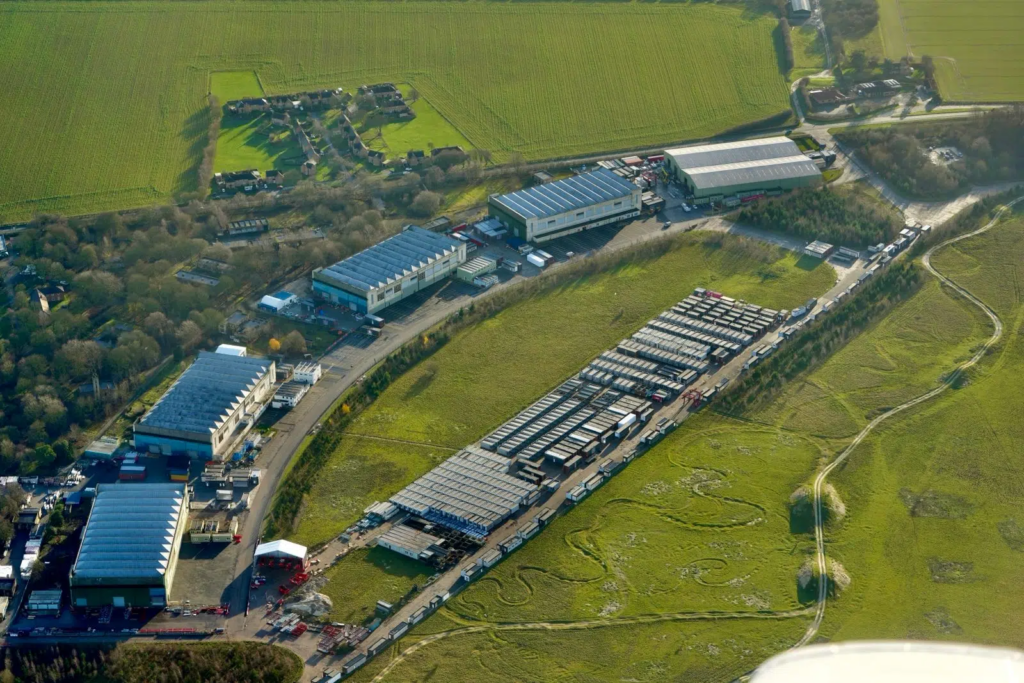
The manufacturing operation in Driffield, East Yorkshire, is substantial. Reds10 describes a 50-acre site containing five factories and 300,000 square feet of production space. The company also says it completes 87% of its work offsite. Those are company-reported figures, but they help explain the scale of the operation behind this housing initiative. Reds10’s manufacturing operation
What interests me is how that manufacturing investment connects to the business outside the plant. Factory space carries expenses whether production is moving smoothly or waiting for the next project. The value of an established operation lies in its ability to turn experience into repeatable work, while keeping enough suitable projects moving toward production.
Getting Involved Before the Purchase Order
Managing Director Richard Fox and Director Damon Brown lead Reds10 Developments. The business plans partnerships with councils, housing associations, charities, and developers, initially focusing on apartments using a common factory-built platform.
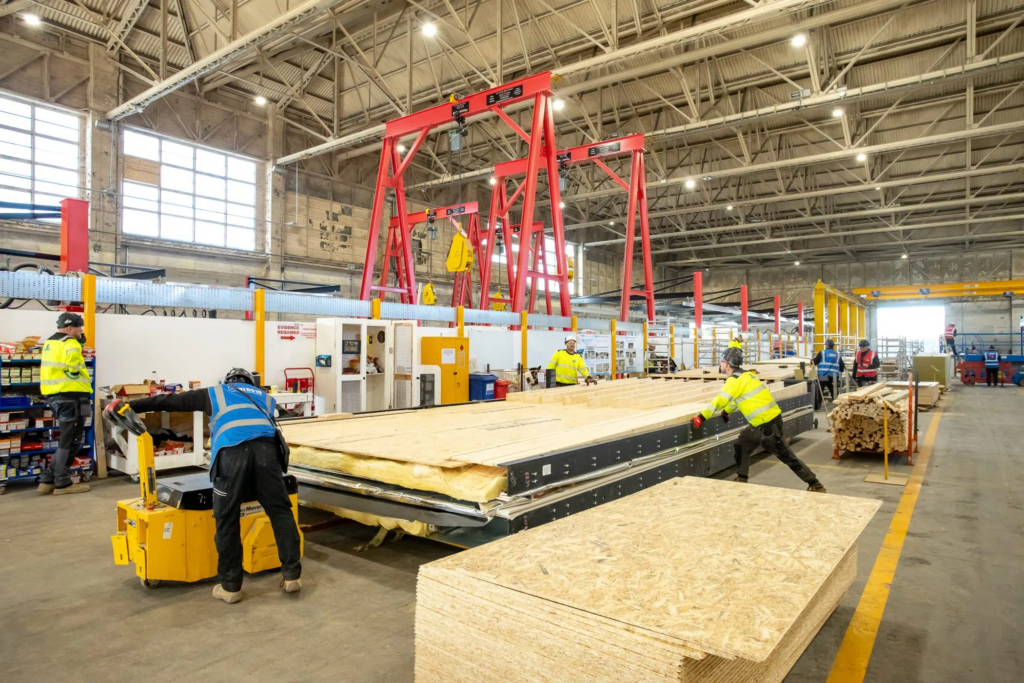
I see a practical reason to pay attention to that approach. By the time a factory receives drawings and a pricing request, many decisions affecting manufacturing efficiency may already be made. Room dimensions, structural arrangements, service locations, and architectural details can either support repetition or introduce another round of engineering and production complications.
Bring manufacturing knowledge into those conversations earlier, and you can make better choices before changes become expensive. The developer still needs a desirable project, the community still needs appropriate housing, and the factory needs something it can produce reliably. Getting those interests around the same table is a management challenge worth tackling.
A Real Project in Surrey
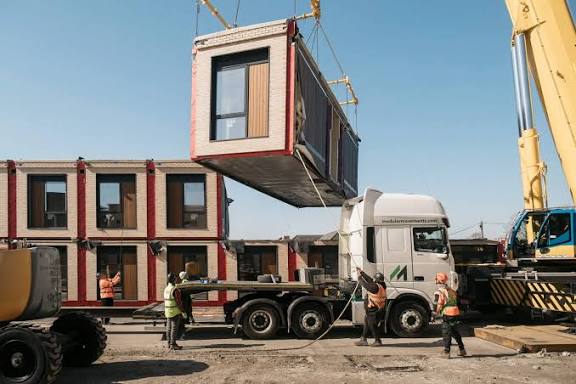
The new business is already on site with Raven Housing Trust in Merstham, Surrey. The project comprises two- and three-bedroom affordable family homes on a constrained brownfield site. Reds10 says the homes will be manufactured in East Yorkshire and include solar panels, air-source heat pumps, battery storage, and electric-vehicle charging.
A difficult site is a useful place to test the strength of an integrated approach. Manufacturing can move substantial work away from the property, but someone still has to coordinate access, foundations, deliveries, installation, and connections. Every hour saved inside the factory matters more when the site is prepared to receive the finished work.
I also like seeing the conversation extend to the household’s ongoing expenses. Affordability should include what it takes to live in a home comfortably after the keys change hands. Energy equipment deserves attention, although the real test will be how the completed homes perform and how easily residents can operate and maintain their systems.
The Business Model Needs as Much Attention as the Building
My reading of Reds10’s move is that it could help address one of offsite construction’s most persistent problems: the distance between housing demand and orders ready for production. A community can need hundreds of homes while a factory waits for a project with financing, approvals, and site preparations in place. Need alone does not establish a production schedule.
Closer involvement in development could improve that coordination. It also brings additional responsibilities. Land decisions, development spending, and the timing of commitments can affect a manufacturing business long before a module enters production. Any company pursuing this approach needs people who understand those responsibilities as thoroughly as its production managers understand the factory floor.
For American factory owners, I would treat Reds10 as a company to study. Some manufacturers may benefit from deeper development partnerships; others may be better served by strengthening relationships with capable developers and general contractors. The useful question is where each business needs more influence to improve the flow from an initial opportunity to an occupied home.
Gary’s Observation

What I find encouraging about Reds10 is its willingness to work on the circumstances that determine whether factory construction gets a chance to deliver. Our industry spends considerable time discussing faster production, automation, and better buildings. We should give equal attention to the work required to bring a viable project through the factory doors.
Reds10’s new housing business still has to prove itself through completed projects, satisfied partners, and homes that serve residents well. I will be watching how consistently it connects development decisions with manufacturing and site delivery. If it can make that connection work repeatedly, the lesson for offsite construction could reach far beyond East Yorkshire.