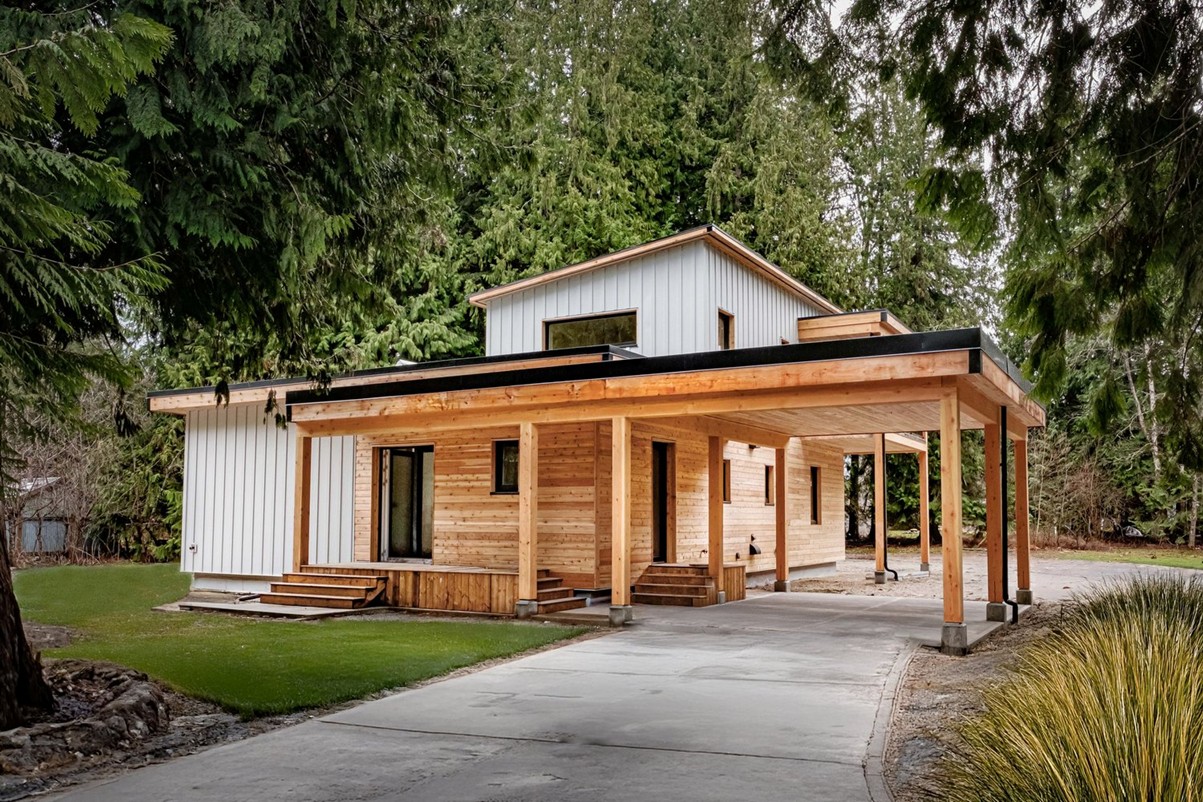
There are modular factories—and then there are modular factories that feel like they belong to the land they build in. Tucked into the mountains of British Columbia, Good Way Homes is quietly building something different. Not just homes, and not just a factory, but a model for how small, remote, purpose-driven manufacturing can scale into something meaningful without losing its identity.

With a brand-new facility underway near Revelstoke, that vision is about to grow in a very real way.
A Remote Factory With Big Ambitions
The announcement of a new manufacturing facility near Revelstoke isn’t just another expansion story. It signals that even smaller, geographically isolated modular companies can think—and act—at scale when the fundamentals are right.
The new plant is expected to dramatically increase production capacity, potentially by as much as twenty times current output, while adding approximately 27 skilled jobs to the region. That kind of leap doesn’t happen by accident. It reflects a company that has already clarified its mission and refined its process, and is now ready to expand with purpose.
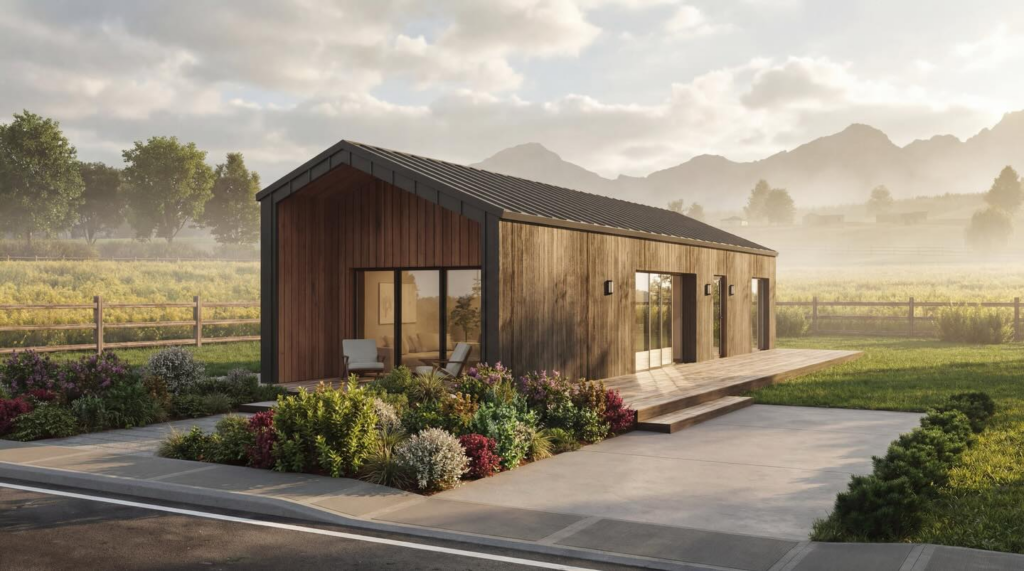
Supported in part by British Columbia’s Manufacturing Jobs Fund, the expansion will also bring in new equipment and infrastructure designed to support net-zero-ready prefab homes and faster delivery timelines. In a region where labor pools are limited and logistics can be complex, this is a bold and deliberate move—one that speaks to confidence in both product and demand.
Built in the Mountains, Designed for Anywhere
Revelstoke is not a major urban center. It’s a rugged, mountain-based community where construction is often dictated by weather, terrain, and access. That reality makes it an ideal proving ground for modular construction.
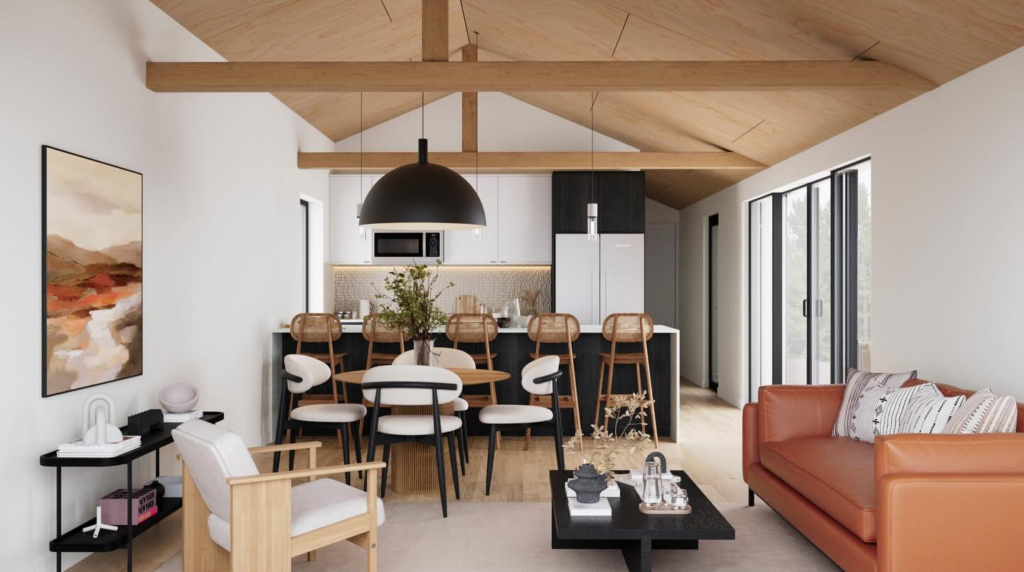
By building homes in a controlled factory environment, Good Way Homes avoids many of the delays and uncertainties that come with traditional site-built methods in remote regions. Homes are constructed indoors, protected from the elements, and then delivered with far greater precision and predictability.
The company emphasizes consistent pricing, controlled timelines, and reliable quality—three elements that developers and homeowners rarely experience together in conventional construction. In a market where uncertainty is often the norm, that consistency becomes more than a benefit. It becomes a defining advantage.
High-Performance Homes, Not Just Modular Boxes
Prefab housing still carries outdated perceptions—boxy, basic, and temporary. Good Way Homes is pushing firmly against that narrative by focusing on high-performance, energy-efficient, and architecturally thoughtful designs.

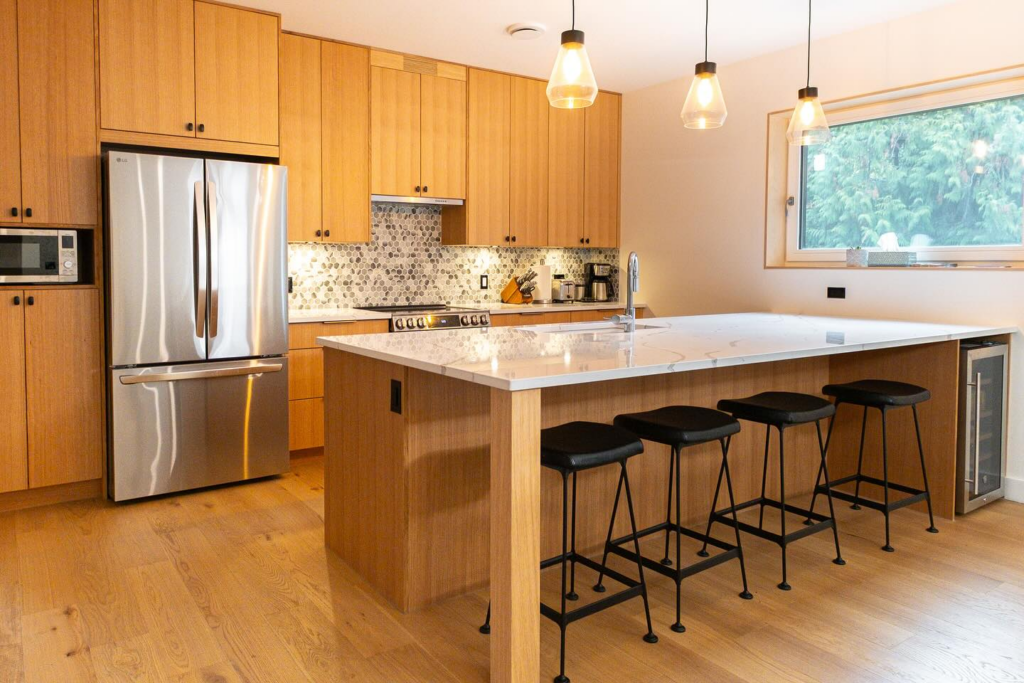
Their homes are often built to meet advanced performance standards, including net-zero readiness, with an emphasis on long-term durability and environmental responsibility. These are not entry-level solutions meant to simply fill a gap. They are homes designed to perform, reduce operating costs, and provide a higher standard of living over time.
This shift in positioning is critical. As more companies move away from “good enough” housing and toward performance-driven design, the perception of modular begins to change from alternative to preferred.
A Different Kind of Growth Story
Most factory expansion stories follow a predictable script—larger buildings, increased output, and projected revenue growth. This one feels more grounded.
Good Way Homes has roots in Indigenous-led investment and planning, supported by Raven Indigenous Capital Partners. That influence shows up in how the company approaches growth, with a focus on sustainability, long-term thinking, and community impact rather than short-term scale at any cost.
The conversation isn’t just about producing more units. It’s about improving access to housing, creating skilled jobs, and aligning construction practices with environmental and cultural values. That framework gives the expansion a different kind of weight, one that extends beyond production numbers.
Speed, Simplicity, and a Smarter Process
Like many successful modular companies, Good Way Homes is not just building houses—it’s refining the process behind them. Their approach integrates design, permitting, and construction into a streamlined workflow, allowing multiple phases to move forward simultaneously rather than waiting on one another.
This kind of integration reduces project timelines, minimizes unexpected issues, and creates a clearer path from concept to completion. For developers, that means faster returns and fewer surprises. For homeowners, it means a more predictable and less stressful experience.
For the factory, it creates repeatability—and repeatability is where true scalability begins to take hold.
The Power of Small, Scalable Factories
What makes this story particularly relevant to the broader industry is that Good Way Homes is not operating as a mega-factory. It is not chasing massive valuations or attempting to dominate multiple markets at once.
Instead, it represents a more practical and sustainable model: a regional factory that grows in alignment with its market. The expansion is not speculative. It is based on demand, experience, and a proven product.
This approach creates a replicable blueprint for others in the industry. Start with a focused market, develop a strong and reliable product, refine operations, and then scale when the conditions are right. It’s a disciplined path that stands in contrast to the “build first, figure it out later” strategy that has challenged so many offsite startups.
Changing the Narrative Around Modular
One of the quieter but more important impacts of companies like Good Way Homes is how they are reshaping the narrative around modular construction. By delivering homes that are efficient, attractive, and durable, they help redefine what prefab means to both consumers and developers.
As that perception evolves, modular construction moves closer to becoming simply another way to build—rather than an alternative that requires explanation or justification. That shift is essential if the industry is going to expand beyond its current share of the housing market.
Challenges Still Ahead
Scaling a factory in a remote region is not without challenges. Workforce availability, transportation logistics, and supply chain consistency all become more complex outside major metropolitan areas. Expanding production twentyfold will require not only capital, but also strong leadership, training systems, and a steady pipeline of demand.
The transition from a smaller operation to a significantly larger one is rarely seamless. It requires discipline, adaptability, and a clear understanding of what made the company successful in the first place.
What This Means for the Industry
There’s an important lesson here for factory owners, startup founders, and investors watching the offsite construction space. Growth does not have to come from scale alone. It can come from clarity, consistency, and a willingness to build the right foundation before expanding.
You don’t need to be located in a major city to succeed, and you don’t need to chase industry hype to create something meaningful. Sometimes the most important progress is happening in quieter places, where companies are focused on getting the fundamentals right.
Modcoach Observation

The offsite industry has spent years trying to scale before proving stability, and that approach has led to more setbacks than success stories. What stands out here is the order of operations. Good Way Homes established credibility, refined its process, and delivered a consistent product before making a significant expansion move.
That sequence matters. If more factories focused on building a strong operational base before chasing rapid growth, the industry would likely see fewer failures and a lot more steady, sustainable success.