

Yesterday at IBS, someone asked me a question that stuck with me long after the crowds thinned out and the speakers packed up their slides. It wasn’t about robotics, AI, or modular construction. It was much simpler—and much more troubling.
They asked, “With all these new data centers being built, will they raise the cost of single-family housing? And if they do, will new homes have to become less dependent on electricity?”
At first, it sounded like a casual question. The more I thought about it, the more I realized it may be one of the most important issues our industry isn’t talking about.
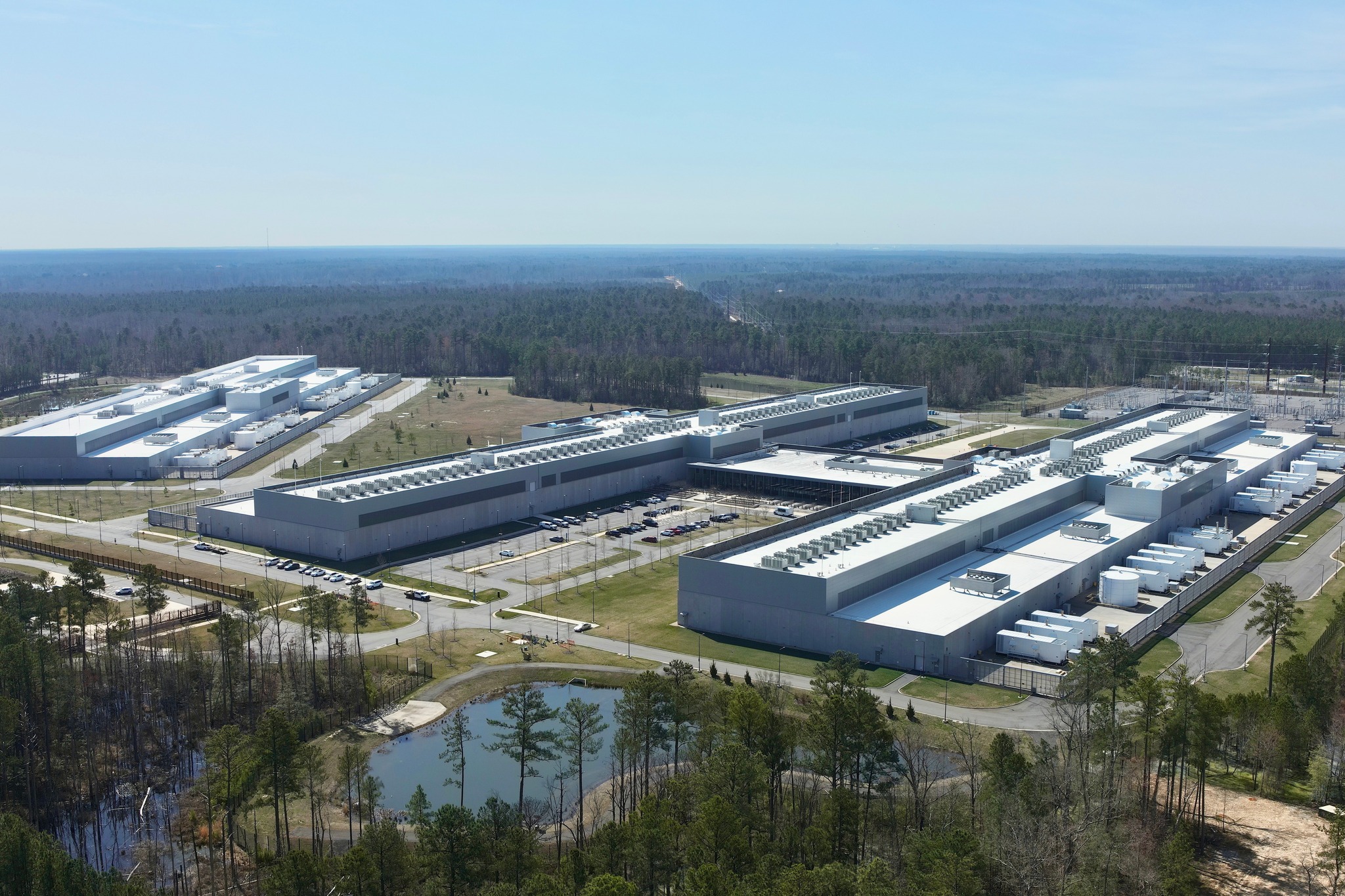
Let’s start with the reality. The rapid growth of data centers driven by companies like Amazon Web Services, Microsoft, and Google is reshaping the electricity landscape across the United States. These facilities run 24 hours a day, every day, consuming enormous amounts of power. They are increasingly locating in smaller cities and rural areas where land is cheaper, permitting is easier, and communities are eager for economic development.
On the surface, that sounds like a win. Jobs. Investment. Tax revenue. But beneath that optimism is a growing concern that few people in housing fully understand yet.
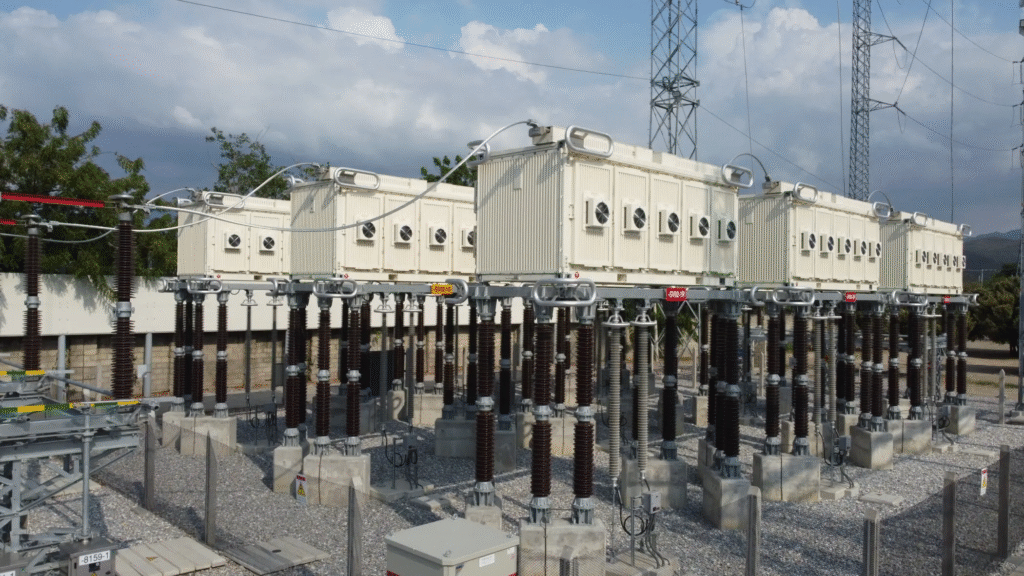
Someone has to pay for the infrastructure that supports these massive energy users. Utilities must build new substations, expand transmission lines, and sometimes even add new power generation. In theory, the data centers pay for these upgrades. In practice, it’s often more complicated. Communities compete for these projects by offering incentives, discounted power, and long-term rate agreements. Over time, part of the cost can shift to the general customer base.
That means homeowners.
Not overnight. Not with a headline. But slowly, through rising utility bills.

For decades, housing affordability conversations have focused on land, labor, materials, and regulation. Energy has been treated as an afterthought. That may be about to change. If electricity costs rise because of industrial demand, the monthly operating cost of a home could become as important as the mortgage payment itself.
Think about that for a moment. What if the biggest barrier to homeownership in the future isn’t the price of the home, but the cost of keeping the lights on?
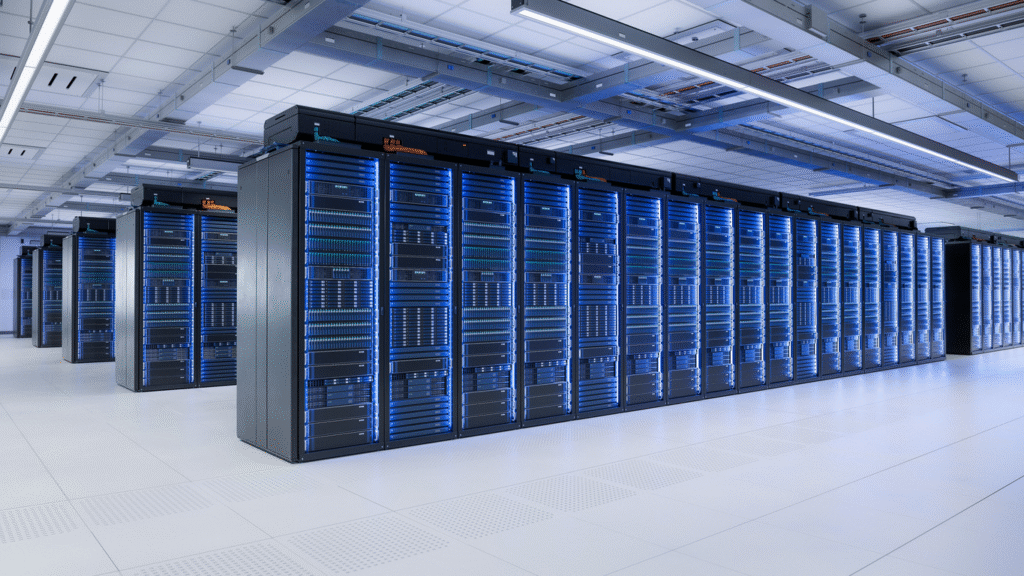
There is also a reliability issue that should concern every builder and developer. In smaller communities, a single large data center can consume as much electricity as tens of thousands of homes. That can strain local grids and increase the risk of outages, especially during peak demand periods. Utilities are racing to modernize their systems, but the pace of demand growth is breathtaking.
If reliability becomes uncertain, homeowners will notice. Buyers will notice. Property values will notice.
This leads to the deeper part of that IBS question: will new construction begin finding ways to become less dependent on electricity?
The answer is yes—but not by abandoning it. Instead, we are likely to see a shift toward smarter, more resilient, and far more efficient homes.
We are already seeing early signs. Builders are exploring solar integration, battery storage, microgrids, and advanced energy management systems. High-performance envelopes, airtight construction, and passive design are moving from niche to necessity. Structural insulated panels, advanced framing, and high-performance wall systems are no longer just about sustainability. They are about protecting homeowners from future cost volatility.
This is where offsite and modular construction could have a major advantage. Factory environments allow tighter quality control, better insulation, and integrated energy systems that are difficult to achieve consistently in the field. If electricity becomes a larger part of housing affordability, industrialized construction could become one of the strongest solutions.
But this will require a mindset shift. Buyers are beginning to ask about operating costs, not just purchase price. In markets where energy costs rise, homes that offer resilience and efficiency will command a premium. Developers who recognize this early will gain a competitive advantage. Those who ignore it may find themselves behind.
The policy side of this issue is equally important. If regulators structure agreements correctly, data centers could help fund grid modernization and renewable energy expansion. That could stabilize rates and improve reliability. If handled poorly, homeowners could end up subsidizing billion-dollar technology companies.
The outcome is not predetermined. It depends on decisions being made right now, often with little public awareness.
What struck me most about that question at IBS was the tone behind it. It wasn’t curiosity. It was concern. People sense that something big is changing in the background of the housing market. Electricity, something we have taken for granted for generations, may soon become a defining factor in housing affordability.
For our industry, this is both a warning and an opportunity. If energy becomes the next major cost driver, the companies that focus on performance, resilience, and integration will be in the strongest position. The rest may find themselves reacting too late.
And maybe that is the real takeaway from IBS this year. While we were sitting in rooms listening to presentations about solving housing, a much larger force may already be reshaping the future of what housing will cost.
It’s time we started paying attention.

Gary Fleisher—known throughout the industry as The Modcoach—has been immersed in offsite and modular construction for over three decades. Beyond writing, he advises companies across the offsite ecosystem, offering practical marketing insight and strategic guidance grounded in real-world factory, builder, and market experience.