



When we think about modular construction, it’s easy to get swept up in the promise of it all. Factory-built homes and buildings delivered faster, cheaper, and with higher quality—what’s not to love? It feels like the future, doesn’t it? And yet, the industry is littered with stories of companies that started strong, only to stumble and fall before reaching their potential.
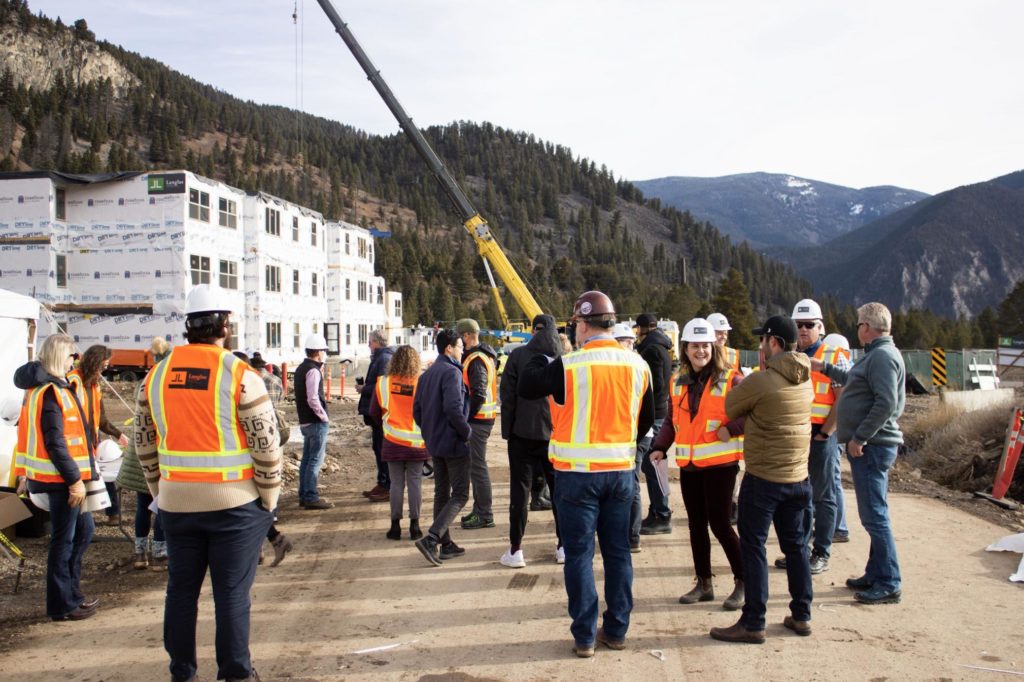
So, what’s really going on here? Why do so many modular construction firms collapse? Let’s dive into the conversation, peeling back the layers of hype and getting to the heart of the matter.
The Big Modular Dream vs. Reality
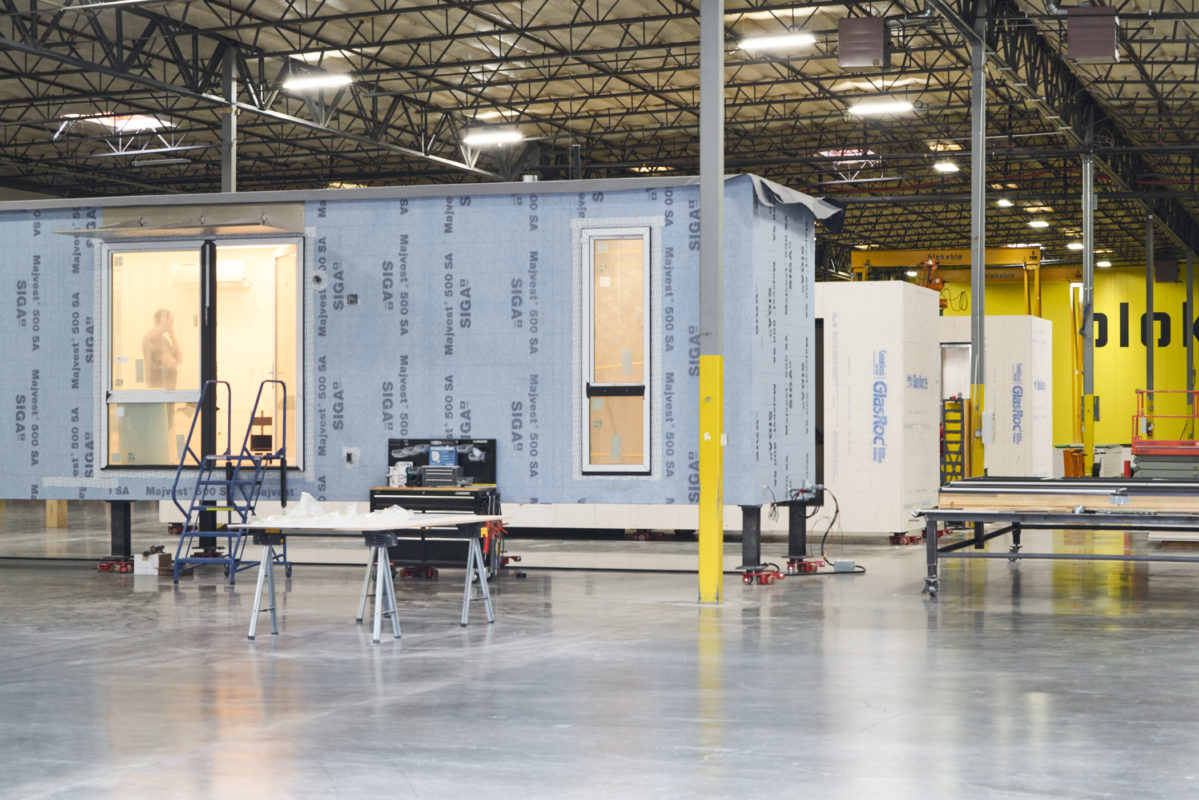
The idea behind modular construction is simple enough: move the building process into a controlled factory environment where you can cut waste, control quality, and speed up timelines. It’s not just builders who get excited about this; developers, investors, and even governments have seen modular as a silver bullet for the housing crisis.
But then reality sets in. Setting up a modular factory isn’t like opening a traditional construction business. You need serious capital—not just for the building itself, but for specialized equipment, skilled workers, and a logistics network that can handle shipping giant building blocks to job sites. Many companies underestimate just how much cash it takes to get started, and by the time they realize they’re running on fumes, it’s often too late to course-correct.

And let’s talk about timelines. Modular firms love to promise clients faster builds, but it’s not always that simple. Coordinating everything—design, manufacturing, transport, assembly—is a complex dance. If one step goes wrong, the entire project can grind to a halt. That “fast” timeline? Suddenly it’s taking just as long, if not longer, than traditional construction.
The Leadership Gap
Another elephant in the room is leadership. Running a modular company requires a unique mix of skills. You’ve got to think like a manufacturer, a builder, and a logistics expert all at once. Unfortunately, some companies are led by people who excel in one area but fall short in others. Maybe they’re great at construction but clueless about manufacturing processes. Or maybe they’re tech-savvy innovators who don’t understand the gritty realities of building codes and site inspections.
This lack of well-rounded leadership often shows up in how these firms handle challenges. Instead of adapting, they double down on strategies that aren’t working, burning through cash and goodwill along the way.
The Market Misstep
Have you ever seen a modular company announce a product line that just doesn’t fit its market? Maybe it’s a high-end luxury modular home in a region where buyers are looking for affordable housing. Or maybe it’s an overly ambitious “green” project that’s so expensive to build, the company can’t even make a profit.

It’s not that these ideas are bad; they’re just out of sync with what the market needs. Without a deep understanding of their target audience, companies end up chasing dreams that don’t align with reality.
The Traditional Construction Pushback
Even when modular firms get everything else right, they often run into resistance from the traditional construction world. Builders and contractors used to doing things “the old way” can be slow to embrace modular. Inspectors might nitpick over details, applying standards that don’t quite fit this new method of building. It’s frustrating, to say the least, and it adds another layer of costs and delays.
Let’s be real—change is hard, and the construction industry isn’t exactly known for being quick to evolve. Modular firms need to spend as much time educating stakeholders as they do perfecting their products, which isn’t always easy when you’re focused on keeping the lights on.
What Can Be Done?
Despite the stumbles, modular construction isn’t going anywhere. The potential is too great. But there are definitely lessons to be learned from the failures we’ve seen. For starters, companies need to plan for the worst-case scenario. That means building financial models that account for delays, overruns, and unexpected challenges. Having a rainy-day fund can make all the difference when things don’t go as planned.

It’s also important to start small. There’s no need to conquer the world on day one. Mastering one market or product line before scaling up allows companies to iron out the kinks without risking everything.
And let’s not forget the value of partnerships. Modular firms that collaborate with experienced architects, builders, and even traditional contractors often fare better. These relationships help smooth out the rough patches and bring a level of expertise that’s hard to replicate internally.
A Glimmer of Hope
For every modular firm that struggles, there’s one that thrives by doing things differently. Some focus on niche markets, like affordable housing or disaster relief, where modular makes the most sense. Others prioritize lean manufacturing, keeping their operations efficient and their costs low.
And then there are the firms that invest in educating their clients, inspectors, and partners about the benefits of modular. By breaking down barriers and building trust, they pave the way for smoother projects and stronger demand.
Modcoach Note
So, what’s the takeaway? Modular construction isn’t easy—it’s a tough business with a steep learning curve. But it’s also one of the most exciting and transformative sectors in the construction industry today. The companies that succeed are the ones that learn from the past, adapt to the present, and keep their eyes on the future.
If the industry can embrace flexibility, foster collaboration, and tackle challenges head-on, the dream of modular construction could very well become the reality we’ve all been waiting for.
Gary Fleisher, The Modcoach, writes about the modular and offsite construction industry at Modular Home Source.
.

CLICK HERE to read the latest edition

Contact Gary Fleisher