


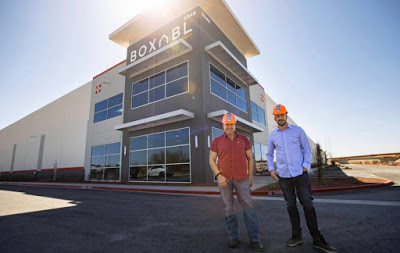
Every once in a while, a press release actually signals something worth paying attention to. Boxabl’s newly approved 2-bedroom Casita in California is one of those moments.
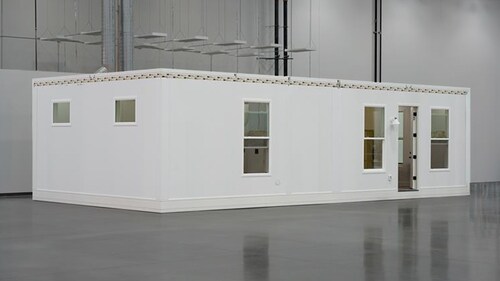
California regulators have now signed off on Boxabl’s larger ADU model, clearing it for statewide use. That may sound procedural, but in a state where approvals are often the biggest bottleneck—not production—this is a meaningful step forward for modular housing and offsite construction.
Boxabl built its reputation on the original studio Casita: compact, transportable, fast to deploy, and designed to slip through regulatory cracks that larger homes couldn’t. The new 2-bedroom version nearly doubles the square footage and shifts the conversation from “interesting concept” to “livable housing solution.”
And that matters.
The ADU market has matured. Homeowners, developers, and municipalities are no longer just looking for backyard studios. They want units that can house families, generate real rental income, support multigenerational living, or serve as long-term workforce housing. Studios helped open the door. Two-bedroom units are what walk through it.
From an offsite perspective, this approval highlights three important industry realities.

First, regulatory credibility scales opportunity. California approval doesn’t just unlock one state—it sends a signal to other jurisdictions watching closely. When a product clears one of the toughest regulatory environments in the country, conversations elsewhere get easier.
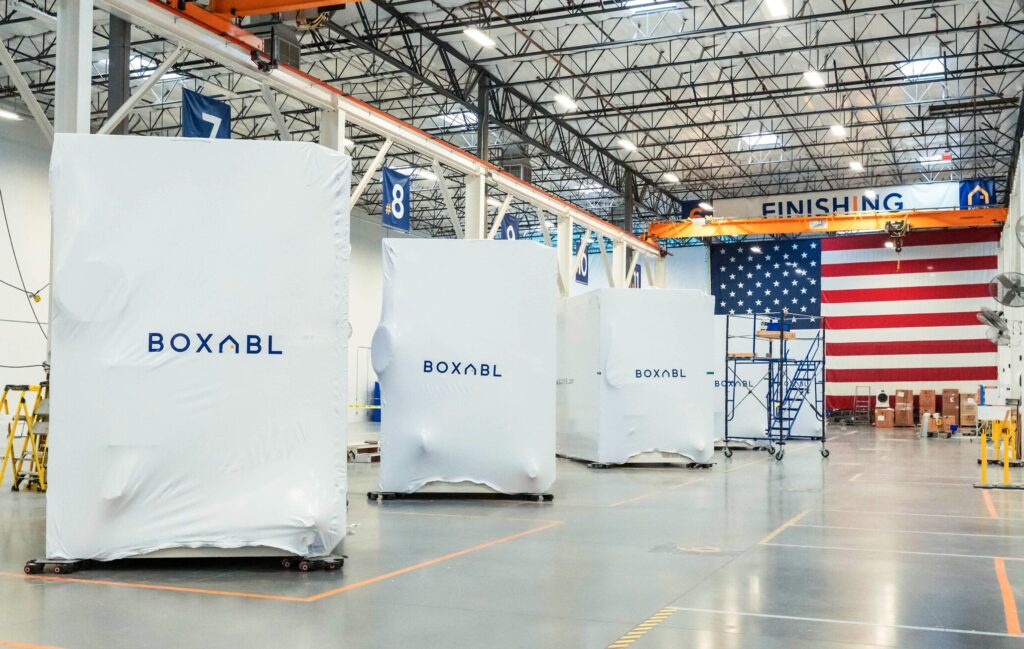
Second, factory-built housing is being judged on livability, not novelty. Fold-and-ship technology is interesting, but approvals hinge on performance, durability, and code compliance. This milestone suggests Boxabl is proving it can operate inside real-world constraints, not just investor decks.
Third, larger modular units change factory math. Two-bedroom ADUs mean different production rhythms, logistics planning, set crews, and margin structures than studios. For factories watching this space, the takeaway isn’t the brand—it’s the direction of demand.
California still has a housing shortage measured in the millions. ADUs won’t solve that alone, but scalable, code-approved modular units—especially larger ones—are becoming a serious part of the solution mix. Whether Boxabl becomes a dominant player or simply another case study, this approval marks a shift from “can it be done?” to “how fast can it be done, and who else is ready?”
That’s a question every offsite manufacturer, supplier, and regulator should be asking right now.
.
With more than 10,000 published articles on modular and offsite construction, Gary Fleisher remains one of the most trusted voices in the industry.
.
CLICK HERE to read the latest edition

Contact Gary Fleisher