





For the offsite construction industry, a project’s journey doesn’t end when it rolls out the factory gate. For builders, developers, and non-profits—the lifeblood of any offsite construction factory—the true measure of a factory’s value is often realized long after the product has been delivered.
However, in many cases, the focus on customer care tends to wane once the product leaves the premises, with responsibility falling solely on the shoulders of a factory’s sales or service representatives. This can create a gap between the factory and its customers, potentially undermining long-term relationships and future business opportunities.
Given the challenges of limited funds and resources, how can factory management cultivate a customer-centric business culture beyond the point of sale?

While being employed as a sales rep for several major modular home factories and one smaller one, I can tell you firsthand that not once in all the meetings, conferences, or training sessions I attended was the topic of being a ‘customer-centric’ company ever brought up.
Sales reps were usually called in to fix a problem after the customer had exhausted all their efforts with the service rep or the company’s CFO after being told they had to pay for something that was the factory’s fault or an overcharge.
If the sales rep sided with the customer, management got angry. If the rep sided with management, the customer threatened to go to another factory. Either way, the sales rep lost.
Here are some practical strategies that can help foster deeper, lasting relationships with customers, even on a tight budget.
Empower Your Team with Knowledge and Training
The first step in building a customer-centric culture is to ensure that every team member, from the production line to the front office, understands the importance of customer care. Regular training sessions that emphasize customer service principles, effective communication, and problem-solving can equip your staff with the tools they need to respond to customer needs effectively. This training doesn’t have to be elaborate; even short, focused sessions can make a significant difference in how your team interacts with customers.
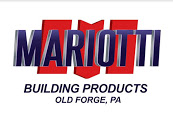
Four years ago I wrote about a Pennsylvania factory that took its employees on a field trip to visit a big project they had built.

Empowering your staff with knowledge about the products they build and the challenges customers may face after delivery can also bridge the gap between production and customer care. When team members understand the customer’s perspective, they are better equipped to anticipate potential issues and proactively address them.
Leverage Technology for Continuous Engagement
Technology offers affordable and efficient ways to stay connected with customers. Implementing a simple customer relationship management (CRM) system can help track interactions, follow-up schedules, and customer preferences. This enables factory management to maintain ongoing communication with customers, even after the initial sale, and address concerns before they escalate into problems.
Additionally, consider setting up an online customer portal where clients can access resources, track the progress of their orders, and submit service requests. This not only enhances the customer experience but also reduces the burden on your sales and service teams by providing customers with self-service options.
Foster a Culture of Accountability
A customer-centric business thrives on accountability at every level of the organization. Encourage your team to take ownership of customer issues, regardless of their role in the company. This means that when a problem arises, it’s not just the responsibility of the sales or service rep to resolve it—everyone in the factory should feel empowered to contribute to the solution.
One way to foster this culture is by recognizing and rewarding employees who go above and beyond to assist customers. Whether it’s a production worker who notices a potential issue before a product leaves the factory or an office staff member who helps resolve a billing concern, celebrating these actions reinforces the importance of customer care.
Create Feedback Loops with Customers
Listening to your customers is key to improving their experience and ensuring their satisfaction. Establish regular feedback loops where you actively seek input from your customers on their experiences with your products and services. This can be done through surveys, follow-up calls, or even informal check-ins.
Several factories hold “Builder Days” where customers are invited to listen to speakers, wander the factory, and talk to anyone they want and meet privately with department heads and management.
By gathering feedback, you not only show your customers that you value their opinions but also gain valuable insights into areas where your factory can improve. Sharing this feedback with your team and using it to inform your processes helps to create a continuous improvement cycle that benefits both your customers and your business.
Collaborate with Your Customers
Finally, consider your customers as partners in the construction process rather than just end-users. Collaborating with them on product development, customization options, and after-sales support can strengthen your relationship and increase customer loyalty. Invite key customers to participate in focus groups or advisory panels, where they can provide input on new products or improvements to existing ones.
This collaborative approach not only helps you tailor your offerings to better meet customer needs but also fosters a sense of shared ownership and investment in the success of your factory.
Modcoach Note
In the offsite construction industry, where competition is fierce and customer expectations are high, building a customer-centric business is not just a nicety—it’s a necessity. By empowering your team, leveraging technology, fostering accountability, creating feedback loops, and collaborating with customers, you can create a culture that prioritizes customer care at every stage of the journey.
Even with limited funds, these strategies can help your factory establish stronger, more meaningful relationships with builders, developers, and non-profits. In the end, the investment in building a customer-centric culture will pay dividends in the form of repeat business, positive word-of-mouth, and a reputation for excellence in the industry.
.

CLICK HERE to read the latest edition

Contact Gary Fleisher