






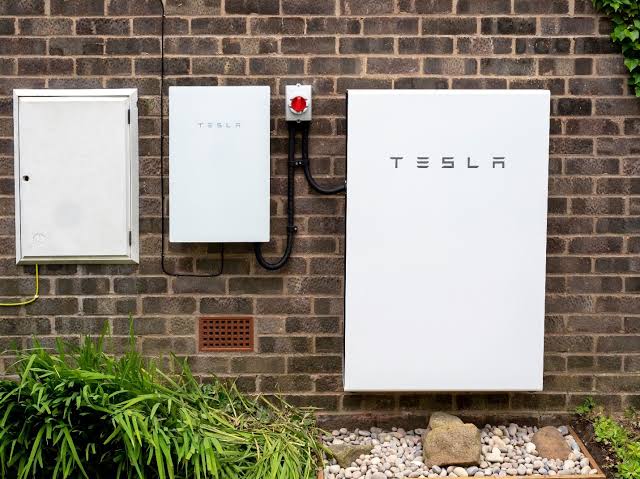
Every time a major storm rolls through, the same scenes play out across the country.
Neighborhoods go dark. Refrigerators stop running. Internet service disappears. Families scramble for flashlights and extension cords while searching for gasoline to power portable generators.
Then the power eventually comes back on, everyone breathes a sigh of relief, and life returns to normal—until the next outage.
Whether you believe climate change is responsible for more severe weather events or simply think our aging electrical infrastructure is struggling to keep up with modern demand, one fact is becoming increasingly difficult to ignore: power outages are becoming a larger concern for homeowners.
Which raises an interesting question.
If we now consider smoke detectors, GFCI outlets, surge protection, and backup sump pumps as standard safety features, why isn’t battery backup part of the conversation?
A Different Kind of Home Upgrade
For years, builders have competed by offering larger kitchens, upgraded countertops, luxury flooring, and smart-home technology.
Those upgrades certainly make a home more attractive, but none of them help when the power goes out.
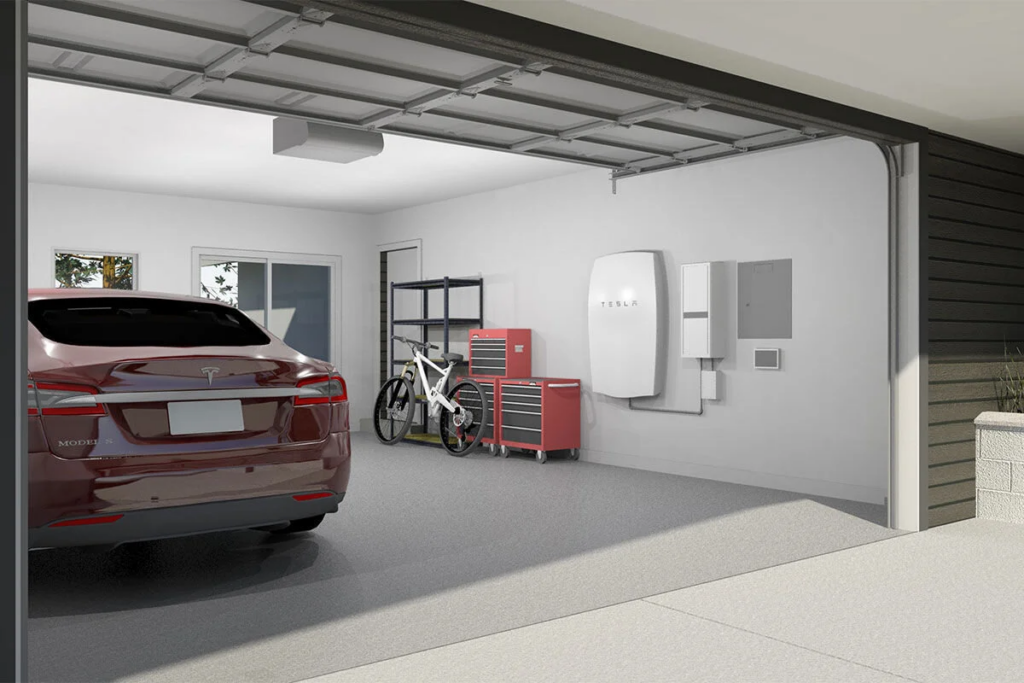
A single Tesla Powerwall provides 13.5 kWh of usable energy storage. Under normal household use, it can keep many homes operating for roughly 10 to 12 hours. By limiting power consumption to essentials such as refrigeration, lighting, internet service, and a few outlets, that same battery can often provide power for two to three days.
For many homeowners, that’s enough to ride through most weather-related outages without major disruption.
Unlike portable generators, battery systems operate automatically. There are no fuel cans to fill, no extension cords stretched across the floor, and no engine maintenance. The transition from grid power to battery power happens almost instantly.
For older homeowners, families with young children, or anyone working remotely, that level of reliability can be worth far more than another upgraded appliance package.
The Cost Question May Be Changing
The biggest argument against battery storage has always been cost.

And it’s true that a Powerwall installation isn’t cheap.
But housing economics have changed dramatically over the past decade.
Government regulations now add more than $130,000 to the cost of a typical new home. Mortgage rates remain elevated. In many markets, the average new home is approaching or exceeding $500,000.
Against that backdrop, a battery system begins to look different.
If a Powerwall installation adds approximately $16,500 to a $500,000 home, the increase is roughly 3.3%.
That’s about the same percentage buyers routinely spend on upgraded kitchens, flooring packages, designer lighting, premium appliances, or outdoor living features.
The difference is that those upgrades improve appearance and comfort. A battery system improves resilience.
When viewed through that lens, the question shifts from whether battery backup is affordable to whether it deserves a higher priority on the builder’s option list.
Should It Be Standard Equipment?
That may sound radical today, but perhaps not for long.
Many features that are considered standard today were once viewed as expensive options. Central air conditioning, insulated windows, attached garages, and smart thermostats all followed a similar path. Early adopters paid extra until buyers eventually came to expect them.
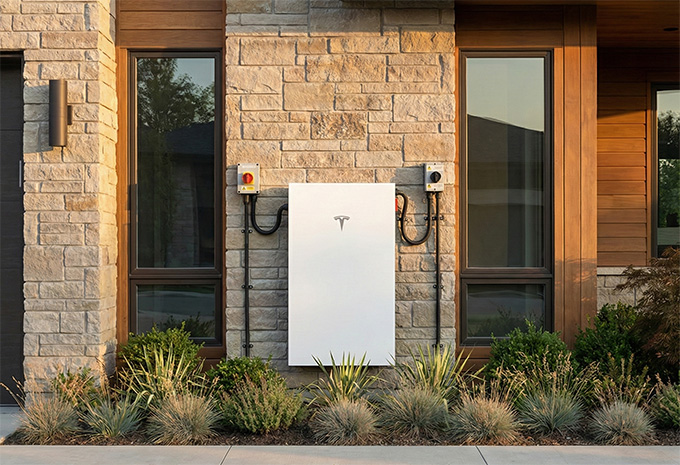
Battery storage could be following the same trajectory.
As outages become more disruptive and homeowners place greater value on energy independence, builders may discover that resilience sells just as effectively as granite countertops.
Some production builders already offer solar packages. The next logical step may be pairing solar with battery storage and making both part of a standard energy package.
For modular and offsite manufacturers, the opportunity could be even greater. Because these homes are engineered and assembled in controlled factory environments, integrating battery systems during production can be easier and more efficient than retrofitting them later.
Factories that begin offering energy-resilient home packages today could find themselves ahead of the market tomorrow.
Remodeling May Be the Bigger Opportunity
While new homes attract most of the attention, the larger market may actually be existing homes.
Millions of homeowners have no intention of moving but would gladly pay for greater peace of mind.
As battery technology improves and installation costs gradually decline, remodelers and electrical contractors may discover a growing market among homeowners who are tired of being dependent on an increasingly stressed electrical grid.
For many families, the ability to keep food cold, maintain internet access, power medical devices, and preserve a sense of normalcy during an outage has real value.
That’s not a luxury. That’s practicality.
Modcoach Observation

For years, we’ve judged homes by curb appeal, square footage, and finish selections. Those things will always matter, but I think we’re approaching a point where another factor is moving onto the buyer’s checklist: “Will this house keep functioning when the power goes out?”
When a new home costs half a million dollars and a battery backup system adds only about 3.3% to the purchase price, the discussion changes. We don’t hesitate to spend that much on countertops, flooring, or appliance upgrades, yet none of those features help during a blackout.
I’m not suggesting government mandates or another layer of building codes. The housing industry already has enough of those. But I do believe builders, developers, and offsite manufacturers should start asking whether battery backup belongs on every option sheet—and perhaps even as standard equipment in some markets.
A decade from now, homeowners may look back and wonder why houses were ever built without it.