


Starting a new modular home factory is a bold, ambitious move, one that requires not just a vision but also a deep understanding of both the construction industry and the intricacies of offsite manufacturing. One would think that hiring a consultant with experience in the field would naturally smooth the process, but here’s an interesting occurrence in the offsite modular construction industry that never fails to amaze me: not all consultants are created equal.
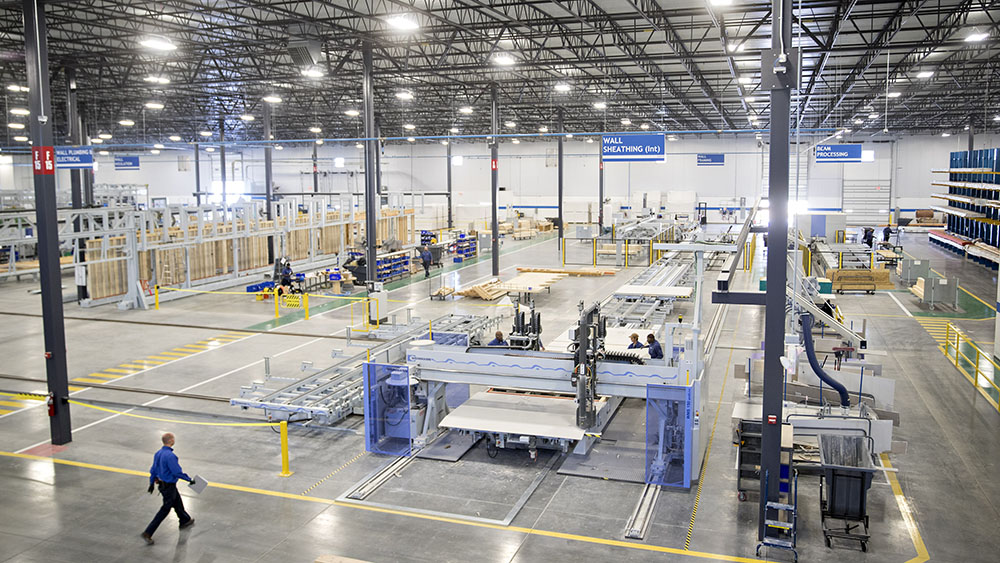
photo – Blueprint Robotics, a successful Baltimore, MD factory
In fact, there are three distinct types of consultants you’ll encounter when looking for someone to guide you in building your new modular home factory from the ground up. However, only one of these types has any real chance of helping you succeed. So how do you know which consultant to trust? Let’s break it down and look at the characteristics and qualifications of each group, and, most importantly, how to identify them.
The First and Best: Those Who’ve Successfully Started a Factory Before
At the top of the list—and your best choice by far—are the consultants who have actually started a modular home factory and successfully guided it through its early years. Notice I said “successfully.” This distinction is important because the modular industry is littered with startups that quickly fold under pressure. To survive in this sector, a factory has to overcome numerous hurdles: production bottlenecks, building code complexities, and logistics coordination, all while maintaining steady cash flow and meeting customer demand.

Hiring someone who has navigated these challenges and comes out on the other side gives you a massive advantage. This consultant has faced the unpredictable, the unforeseen, and the many sleepless nights that come with building something new. They’ve not only drafted business plans but lived through the financial pressures, managed relationships with lenders, suppliers, and clients, and likely pivoted more than once to adapt to market conditions.
What to look for in this type of consultant:
Experience that matches your project’s scope. If they’ve helped build a small, local modular factory, they might not be the right fit for a large-scale national operation.
Proven results over a sustained period. Look for consultants who can provide a track record of factories that are not only operational but also thriving several years later.
A blend of technical and business acumen. Success in modular home factories requires deep knowledge of both factory operations and financial management. The best consultants will understand everything from production line optimization to balancing the books.
References from factory founders. Ask to speak to others they’ve helped. If they’re the real deal, previous clients will happily vouch for their guidance and wisdom.
The Second Tier: Those Who’ve Successfully Run a Factory for Over Three Years
Next in line are consultants who have operated an existing modular home factory for at least three years. This group represents a safer middle ground; they might not have started a factory from scratch, but they’ve certainly dealt with the daily operations of running one. They know how to read financial statements, balance production line efficiency with customer needs, and keep things running when the unexpected occurs.
Hiring someone from this tier gives you a consultant with hands-on experience managing all aspects of a factory. They understand the rhythm of the industry: the ebb and flow of demand, the importance of quality control, and the nuances of dealing with inspectors, transport companies, and set crews. While they may not have built a factory from the ground up, they understand the systems that need to be in place for a factory to run smoothly.
That said, consultants in this tier may lack the strategic foresight needed to overcome the unique challenges of a startup. They may be more comfortable with the status quo, having worked in environments where they were expected to maintain stability rather than innovate solutions for a fledgling operation. Still, they provide a decent chance of getting your factory up and running without too many hiccups.
What to look for in this type of consultant:
Operational expertise. They should be able to walk you through the day-to-day details of running a modular factory, including production flow, workforce management, and quality control.
Knowledge of financial performance. Their ability to maintain profitability in an existing factory is a good indicator that they understand cash flow and cost management—critical skills for a startup.
Industry connections. Consultants who’ve worked in operational roles usually have relationships with suppliers, transport companies, and regulators. This network can be invaluable when setting up your own factory.
Proven longevity in previous roles. Be wary of consultants who’ve jumped from job to job, as that could signal a lack of commitment or adaptability.
The Least Effective: The Career Consultant
Then, there’s the last group—the consultants who have never started a new factory from scratch or stayed very long at any factory they’ve worked for. These individuals typically have thin resumes but are great at self-promotion. They claim expertise in multiple areas of the modular industry, yet when you dig deeper, you find that they have no real experience in launching a factory or guiding one through its early, turbulent years.
These consultants may have spent some time in related roles—perhaps they’ve worked for a modular factory at some point or have technical knowledge of certain aspects of production—but they lack the hands-on experience needed to successfully navigate the startup phase. Worse still, many of these consultants don’t stick around long enough in their roles to see their ideas implemented, let alone learn from their mistakes.
Hiring one of these consultants is a gamble, and often, you’d be better off hiring your cousin or doing it yourself. Their recommendations are often generic, and they rarely account for the unique needs and challenges of your business. Moreover, they can lead you down costly paths with little to show for it in the end.
What to look for (and avoid) in this type of consultant:
Thin, vague experience. If a consultant can’t provide concrete examples of their previous work, or if their resume is littered with short stints in various roles, that’s a red flag.
Lots of talk, little action. Be cautious of consultants who promise the world but can’t back it up with actionable, specific advice.
A lack of focus. These consultants tend to spread themselves thin across multiple industries, which means they lack the in-depth, specialized knowledge required to launch a modular factory.
No clear references. If a consultant can’t provide clients willing to vouch for their success, it’s time to move on.
Kickbacks. If a consultant approaches vendors during the startup process asking for a kickback to recommend their product or service, dump this consultant immediately.
Modcoach Note
Starting a modular home factory is no small feat, and choosing the right consultant can make or break your venture. A consultant who has successfully built a factory from scratch is your best bet, bringing invaluable experience and insight to the table. Consultants who’ve run existing factories for a sustained period also offer a solid chance of success, especially when it comes to managing operations.
But beware of those who have never stayed long enough in any factory to make a real difference. While they may sound convincing, your chances of success with them are slim at best.
In the end, your choice of consultant should come down to proven experience, specialized knowledge, and, most importantly, a track record of real success in the modular construction industry. Make your choice wisely, and your chances of building a successful modular factory will increase exponentially.
.

CLICK HERE to read the latest edition

Contact Gary Fleisher