




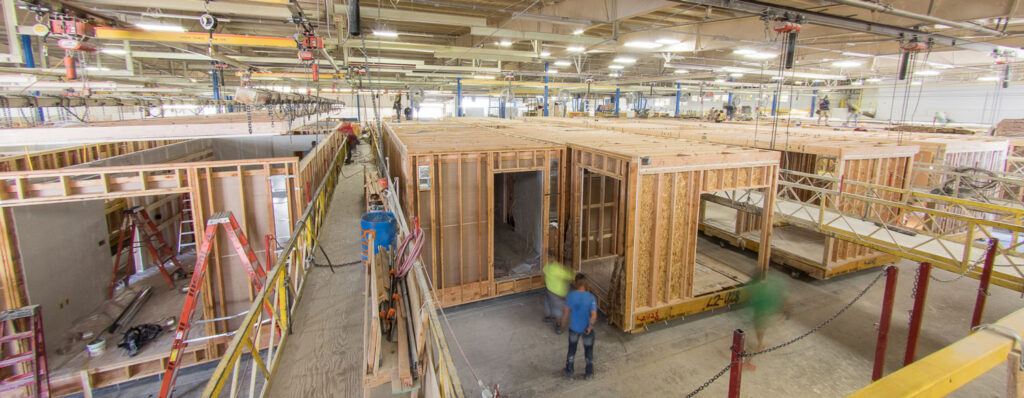
For decades, factory scheduling often relied on experience, gut instinct, and a whiteboard full of magnets representing jobs moving across the production line. It worked—most of the time. But as manufacturing has become more complex, with tighter deadlines and thinner margins, that old approach is quickly being replaced by data-driven planning through Enterprise Resource Planning (ERP) systems.
ERP software gives manufacturers a clear, real-time picture of what’s actually happening inside their operations. Instead of relying on assumptions, managers can analyze reports showing machine utilization, labor distribution, material availability, and production cycle times. Those insights allow production schedules to be adjusted to balance workloads, eliminate bottlenecks, and improve efficiency across the plant floor.
Seeing the Factory Clearly
One of the biggest advantages of ERP reporting is visibility. When production data is collected and analyzed, manufacturers can easily see patterns that were previously hidden. For example, reports might reveal that a certain machine sits idle at the same time each day or that a particular department is regularly overstaffed while another is stretched thin.
Armed with that information, managers can redistribute labor, adjust job sequencing, and better align equipment with the realities of the production schedule. Instead of reacting to problems after they occur, factories can anticipate them and adjust before productivity suffers.
Improving Delivery Reliability
On-time delivery remains one of the most important performance metrics in manufacturing. ERP reporting helps manufacturers create realistic schedules by combining information about production cycles, order status, and material availability.
When purchasing, inventory, and production planning are connected through an ERP system, materials arrive when they’re needed and production downtime is reduced. The result is fewer delays, better coordination across departments, and higher customer satisfaction.
The Long-Term Value of Data
ERP systems also allow companies to track performance trends over time. By monitoring metrics such as throughput, machine efficiency, and delivery performance, manufacturers can continuously refine how they schedule production.
Over time, these insights lead to better planning processes, more predictable operations, and the ability to scale production without chaos. The factory shifts from reactive problem-solving to proactive management grounded in real data rather than assumptions.
Where Moducore Fits In
This is where purpose-built ERP platforms like Moducore are starting to attract attention in the offsite and modular construction industry.
Unlike generic ERP systems designed for traditional manufacturing, Moducore focuses specifically on the complexities of offsite construction—where design changes, custom options, logistics coordination, and production scheduling all intersect. A well-designed ERP system can integrate estimating, engineering, purchasing, factory scheduling, and field installation into a single workflow.
When builders, factory managers, and project teams all work from the same set of real-time data, decisions improve dramatically. Schedules become more accurate, production disruptions are easier to identify, and project timelines become far more predictable.
A Modcoach Observation
For years, I’ve watched modular and panelized factories try to manage scheduling with spreadsheets, handwritten notes, and someone’s “institutional memory.” It works—until it doesn’t.
The factories that are beginning to separate themselves today are the ones turning their production data into actionable information. ERP platforms like Moducore aren’t just about software—they’re about helping factories stop guessing and start managing their operations with clarity.
And in an industry where one scheduling mistake can ripple through an entire production line, that kind of visibility might be one of the most valuable tools a factory can invest in.

Gary Fleisher—known throughout the industry as The Modcoach—has been immersed in offsite and modular construction for over three decades. Beyond writing, he advises companies across the offsite ecosystem, offering practical marketing insight and strategic guidance grounded in real-world factory, builder, and market experience.