

When people think about shipping something from Colorado to Hawaii, an entire house probably isn’t their first thought. But when getting families into homes remains a stubborn problem, the distance between a factory and a building lot becomes a question worth examining.
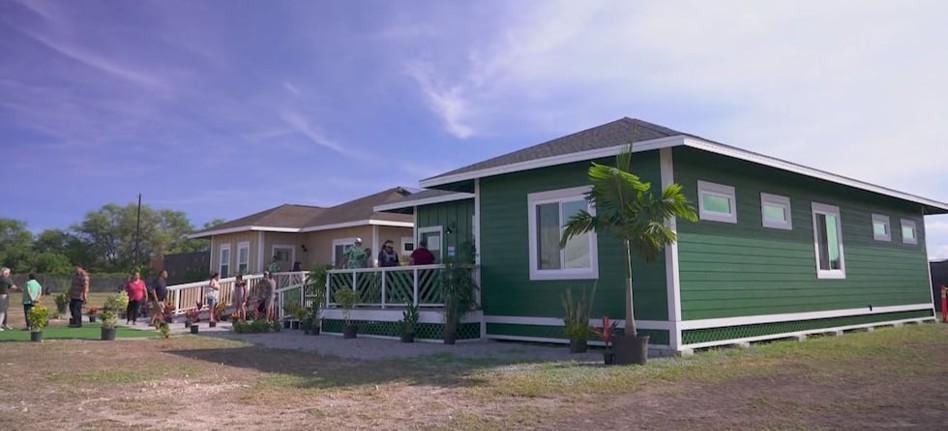
That’s what makes a recent announcement from West Oahu interesting. On October 24, the Department of Hawaiian Home Lands awarded residential leases to 24 families—16 in Kapolei and eight in Waiʻanae. According to Hawaii News Now, the homes planned for those lots will be DHHL’s first factory-built, single-family modular homes. These were lease awards, so work remains before move-in day. But they represent a concrete step toward testing a different way to deliver housing.
Colorado-based Fading West is part of that effort. In congressional testimony, the company said it was building 24 homes for a DHHL pilot project and working with the department to establish a factory in Hawaii.
That gives this story two dimensions: supplying homes now and exploring production closer to the families who need them.
The real test happens beyond the factory door
I like a good factory story as much as anyone, but a finished module is only part of a finished housing solution. Transportation, foundations, utility connections, inspections, and installation still have to come together. A production line can run beautifully while a project waits for something nobody scheduled correctly.
For an island project, that coordination deserves particular attention. Any factory savings have to survive the journey to the lot. The useful comparison is the total cost of a completed, occupied home, along with the time required to get a family through its front door.
That is why a pilot like this matters. It offers an opportunity to measure the whole process: what worked, what cost more than expected, and what needs to change before the next group of homes enters production.
Fading West’s chief business development officer, Eric Schaefer, told Hawaii News Now that the pilot aims to improve affordability and efficiency. He also described the potential to add up to 240 homes annually. That is a prospective scale, rather than a completed production record for this program, but it helps explain why these first 24 homes deserve attention.
Gary’s Observation

Our industry loves talking about capacity. Give us a factory drawing and a microphone, and somebody will tell you how many homes could roll out every year. The harder conversation is how many families can actually move in, at a price they can manage, with a delivery process that works repeatedly.
For Fading West and DHHL, these homes can help answer that question. A successful pilot would give future decisions something stronger than a sales presentation: real costs, real schedules, and lessons from real homes.
For the families receiving those leases, however, the factory method will likely matter most in what it delivers. They need a home that works for their lives. If modular construction helps make that possible, that is a story worth telling well beyond Hawaii.