





In 2025, the long-anticipated relief in the U.S. housing market simply didn’t materialize for most homebuyers. After years of affordability challenges, high mortgage rates — not just high prices — continued to be the main barrier keeping would-be buyers on the sidelines, even as home prices flattened. Mortgage rates stubbornly hovered above 6% for much of the year, almost doubling monthly housing costs for a typical household compared to historical norms. That alone was enough to disrupt budgets and sideline buyers who might otherwise be in the market.
You might think flat prices would help, but it didn’t work out that way. While prices didn’t leap as sharply as in previous years, they still hit records mid-year, and about three-quarters of U.S. markets saw price increases in 2025. In some areas, prices climbed by double digits. That combination — high prices and elevated borrowing costs — kept sales low and left many buyers priced out. Sellers, meanwhile, often opted to take their homes off the market rather than lower their asking prices, leaving inventory tight and frustrating people hoping for bargains.
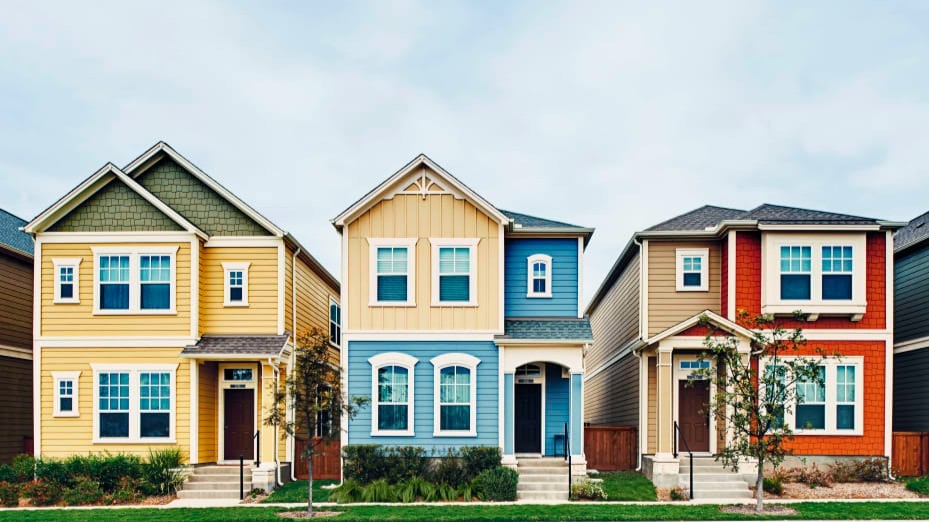
Put simply, affordability in 2025 wasn’t just about how much homes cost — it was about how expensive it was to finance them. Because interest expenses eat up so much of a monthly payment, prospective buyers found themselves stretched thin just to qualify. Even though mortgage rates dipped somewhat late in the year, they were still high enough to keep potential buyers waiting on the sidelines.
Affordability also shifted geographically. Coastal markets, especially in California and the Northeast, remained extremely tough, while some Sun Belt and Midwest areas fared slightly better. But markets that were once gateways for first-time buyers — smaller cities and historically less expensive metros — saw affordability deteriorate as prices marched upward.

Looking ahead to 2026, experts suggest that affordability might slowly improve, not through a dramatic price correction, but through a mix of modestly falling rates, slowly rising incomes, and a gradual expansion of inventory. That’s not a quick fix. It means some buyers will see relief — particularly those ready to act when rates dip or who target less expensive markets — but for many others, affordability will continue to be a slow slog rather than an overnight turnaround.
Credit: “The 2025 Housing Affordability Crisis in Charts: What Changed and What Didn’t,” Investopedia (Terry Lane), January 3, 2026.
.
With more than 10,000 published articles on modular and offsite construction, Gary Fleisher remains one of the most trusted voices in the industry.
.

CLICK HERE to read the latest edition

Contact Gary Fleisher