



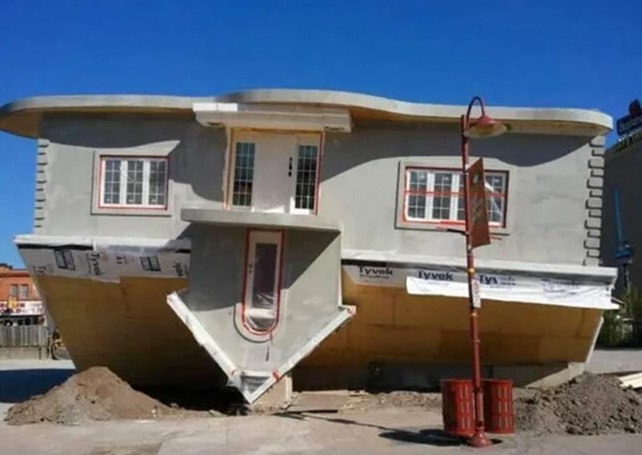
The disappearance of the starter home wasn’t caused by one bad decision. It was the result of a thousand logical decisions that, over time, added up to one unintended outcome. We priced the first-time buyer right out of the system.
Bigger Became Better… and More Profitable
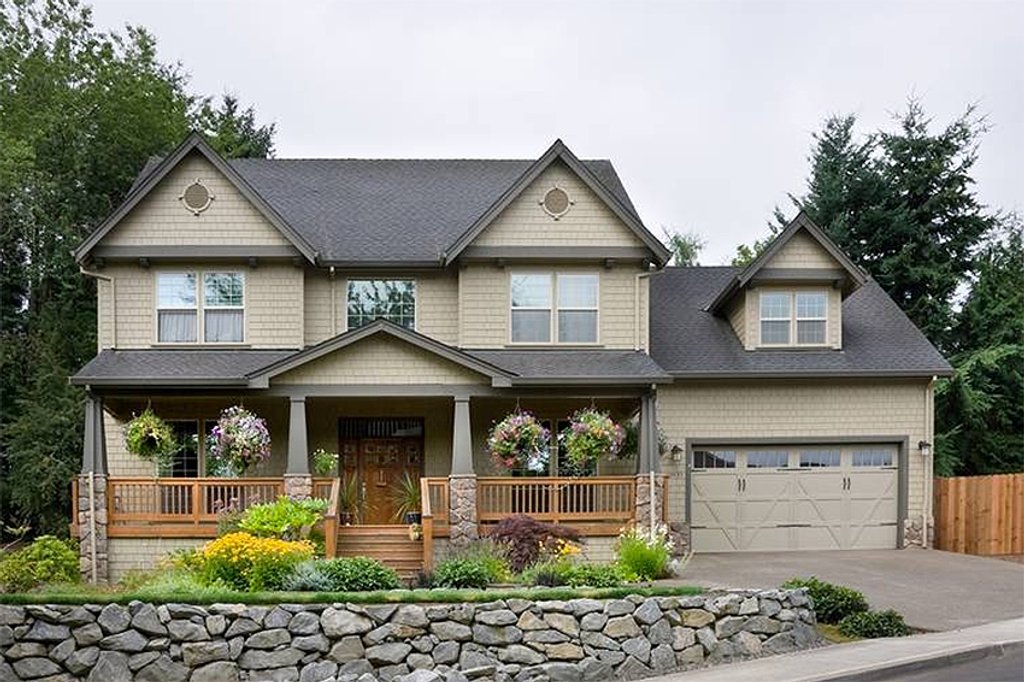

Over the past few decades, new homes kept getting bigger, and not because buyers were initially demanding it. Builders were responding to rising land costs, increasing labor shortages, and a growing list of regulations that added expense to every build. Faced with shrinking margins, they made a rational decision—build larger homes where the profit could absorb those costs. What started as a survival strategy slowly became the standard, and the smaller home quietly lost its place in the lineup.
Zoning Didn’t Ban Small Homes… It Just Made Them Impossible
Zoning didn’t come out and prohibit starter homes, but it didn’t need to. Requirements for large minimum lot sizes, generous setbacks, and multiple parking spaces made it nearly impossible to fit a modest home onto a piece of land in a financially viable way. A 1,000 to 1,200 square foot home might physically fit, but by the time those requirements are applied, the cost of the land alone pushes it far beyond what a first-time buyer can afford. The result is predictable—the home never gets built.
Financing Followed the Money
As the economics shifted, so did the financing. Lenders didn’t abandon housing, they simply gravitated toward safer investments. Larger homes, higher-income buyers, and multifamily developments offered more predictable returns and less perceived risk. The first-time buyer, once the backbone of the housing market, became the most uncertain part of it. When financing begins to avoid a segment of the market, that segment doesn’t just struggle—it disappears.
Labor and Materials Changed the Game
Anyone in construction has lived through this shift firsthand. Skilled labor has become harder to find, material costs have become more volatile, and construction timelines have stretched in ways that make every project riskier. Under those conditions, building entry-level homes becomes difficult to justify. Instead, builders focus on fewer projects with higher margins, ensuring that each one can withstand the unpredictability of today’s building environment. The starter home simply doesn’t fit into that equation anymore.
And Then… Expectations Changed
At the same time, buyer expectations evolved, and not always in ways that helped affordability. What was once considered a perfectly acceptable starter home is now often viewed as lacking. Many buyers today expect open floor plans, upgraded finishes, multiple bathrooms, energy-efficient systems, and smart home features right from the start. The idea of buying a home with the intention of improving it over time has faded. In its place is the expectation that everything should be finished and ready on day one, which naturally drives prices higher and pushes the true starter home further out of reach.
Will the Starter Home Ever Come Back?
Yes—but not in the form we remember.
The next version of the starter home won’t be a replica of the past. It will be something new, shaped by today’s realities and tomorrow’s opportunities. And in many ways, it will challenge our traditional ideas of what homeownership looks like.

What the Next Starter Home Could Look Like
This is where the conversation shifts from what went wrong to what might actually work—and where offsite construction has a real opportunity to step forward.
Smaller Homes… Designed to Work Harder


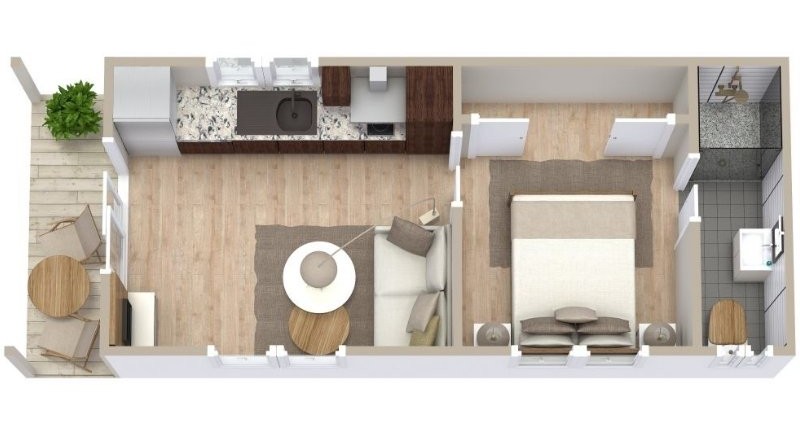
The future starter home won’t simply be smaller for the sake of cost. It will be smarter. Designers are already rethinking how space is used, creating homes where rooms serve multiple purposes, storage is built in more effectively, and every square foot carries more weight. Instead of adding space, the focus is shifting toward making better use of the space that exists. The result is a home that feels livable without needing to be large.
ADUs Becoming the First Step to Ownership
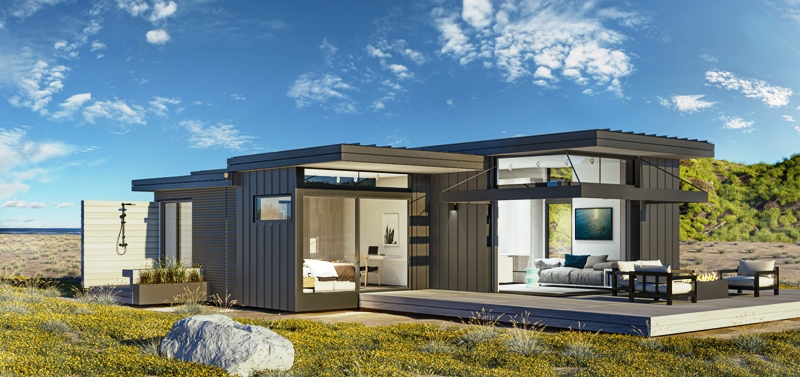
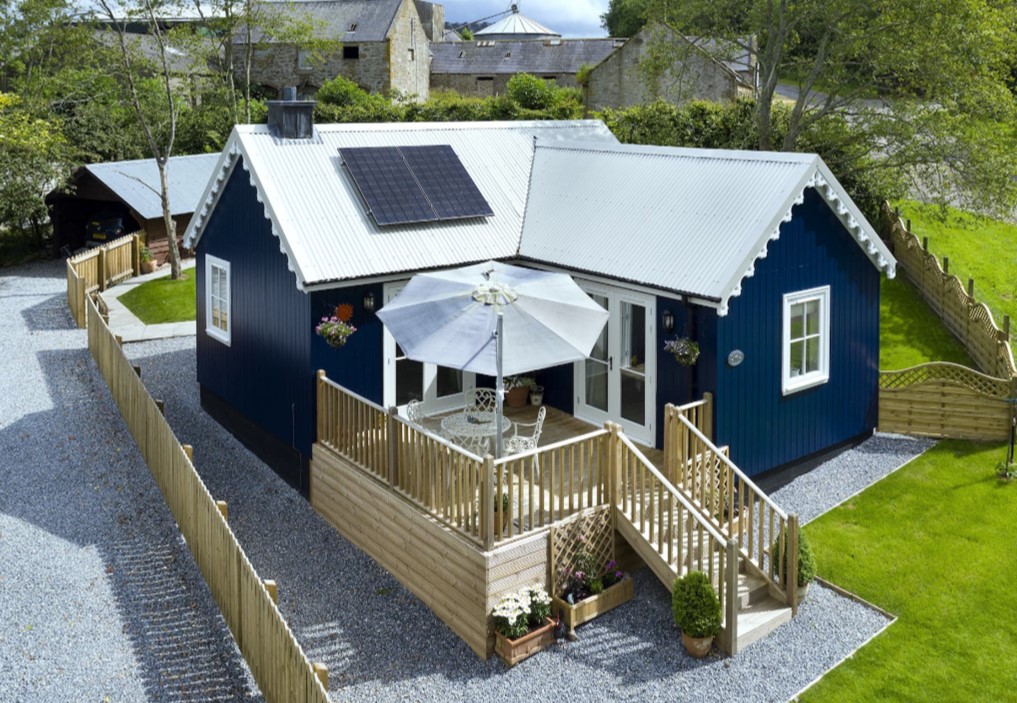
In many areas, accessory dwelling units are quietly becoming the new entry point into homeownership. Young families are choosing to build smaller homes in the backyards of parents or relatives, allowing them to avoid the high cost of land while still gaining a foothold in ownership. Over time, this approach provides a path to equity and independence, even if it doesn’t follow the traditional route of buying a standalone home first.
Factory-Built Housing Finally Has Its Moment
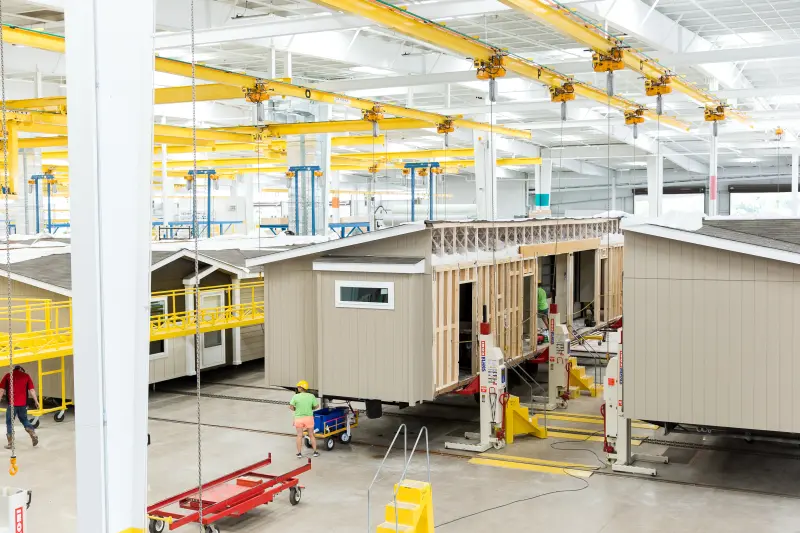
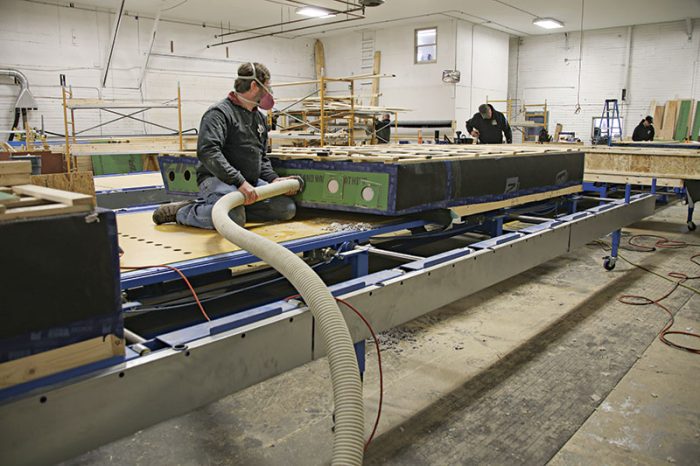

Offsite construction has long promised efficiency, speed, and cost control, and those advantages are exactly what the starter home market needs. Factory-built housing can reduce waste, shorten timelines, and bring a level of predictability that site-built construction often lacks. But the opportunity comes with a challenge. Factories must be willing to focus on smaller, more affordable homes rather than chasing the same high-margin projects as traditional builders. If that shift happens, offsite construction could play a leading role in bringing the starter home back.
Starter Home Communities, Not Subdivisions

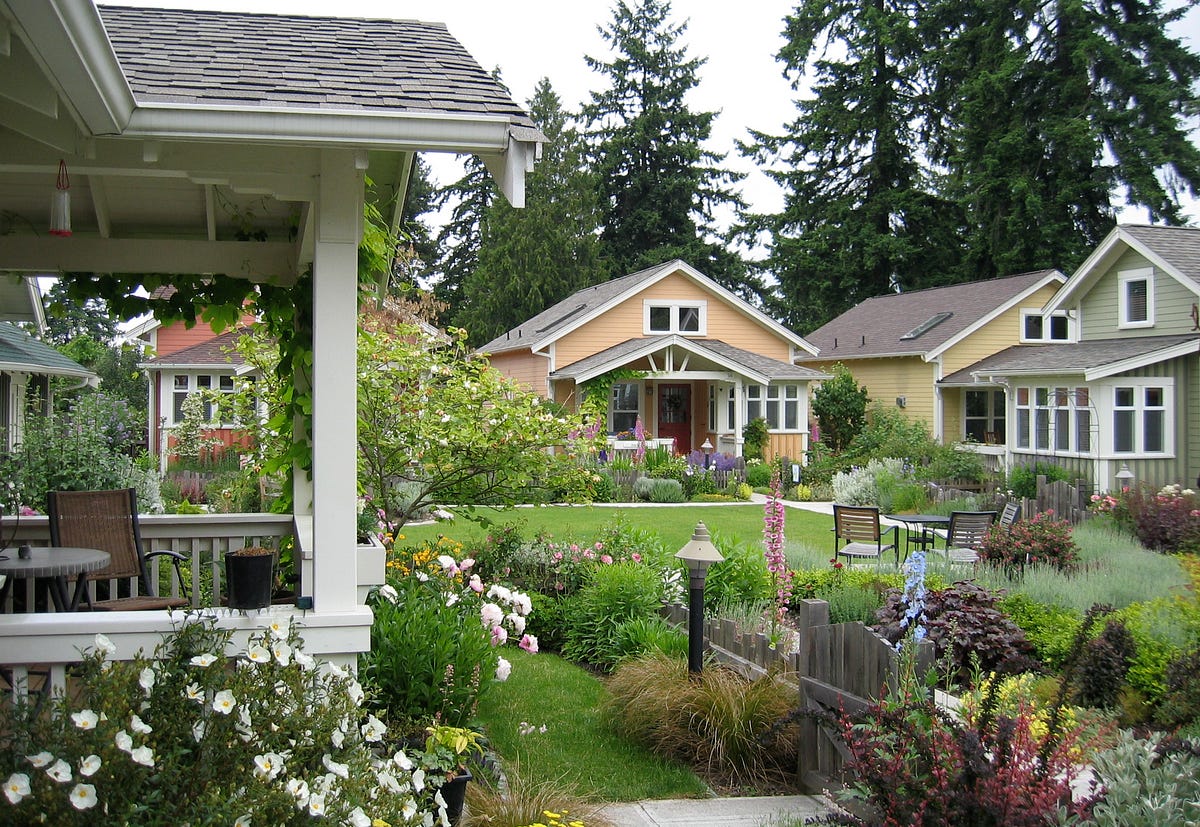
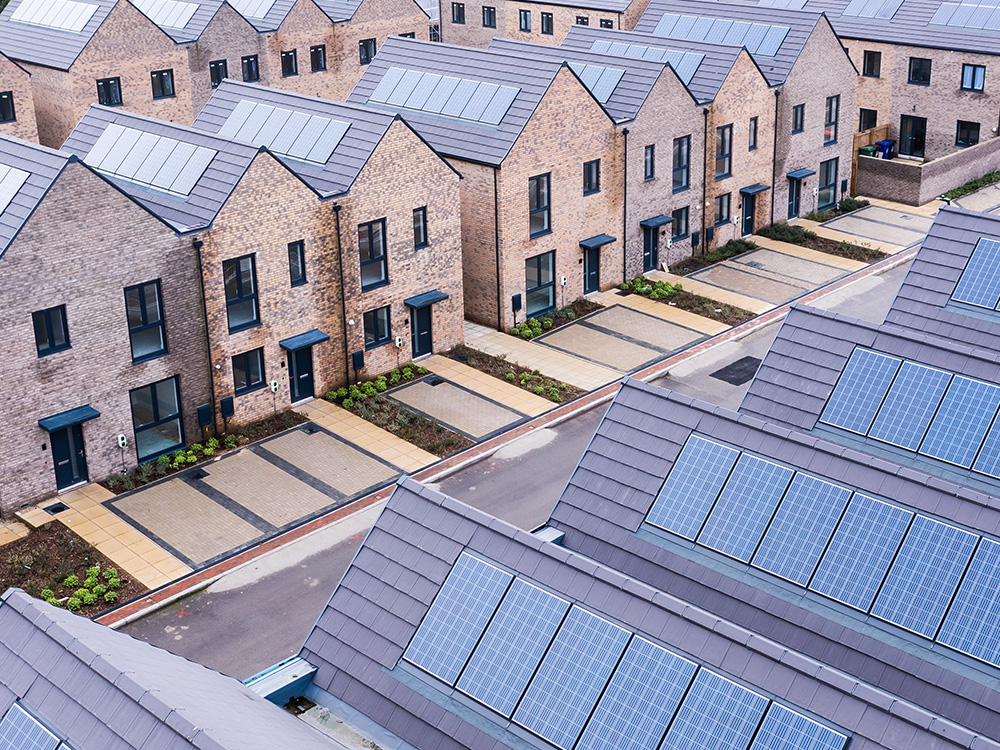
The large-lot subdivision may no longer be the model that supports affordability. In its place, smaller, more thoughtfully designed communities are beginning to emerge. These developments use smaller lots, shared green spaces, and a stronger sense of community to reduce land costs while maintaining quality of life. By rethinking how neighborhoods are designed, developers can create environments where starter homes are not only possible but desirable.
Pre-Approved Plans and Faster Approvals
Another quiet but powerful shift is happening in municipalities that are introducing pre-approved home designs. By reducing the time and cost associated with architectural plans and permitting, these programs remove one of the biggest barriers to building smaller homes. The process becomes faster, more predictable, and more affordable, which benefits both builders and buyers.
Rethinking Ownership Itself
Perhaps the most significant change lies in how we think about ownership. Traditional models that require full ownership from day one may no longer be the only option. Shared equity arrangements, lease-to-own structures, and public-private partnerships are beginning to offer alternative paths. These models allow buyers to enter the market more gradually, reducing the initial financial burden while still building long-term value.
A Modcoach Observation
We didn’t lose the starter home because we forgot how to build it.
We lost it because, over time, every part of the system—builders, developers, lenders, municipalities, and even buyers—moved away from the idea that starting small was acceptable.
Somewhere along the way, “starter home” stopped meaning a beginning and started meaning not enough.
Now the pressure is building in the opposite direction. Affordability is forcing innovation, and a new generation is beginning to look less for perfection and more for possibility.
The companies, factories, and communities that understand this shift—and are willing to rethink size, design, process, and expectations—will be the ones that quietly rebuild the first rung of the housing ladder.
And when that rung comes back, the path to homeownership will follow right behind it.

Gary Fleisher—known throughout the industry as The Modcoach—has been immersed in offsite and modular construction for over three decades. Beyond writing, he advises companies across the offsite ecosystem, offering practical marketing insight and strategic guidance grounded in real-world factory, builder, and market experience.