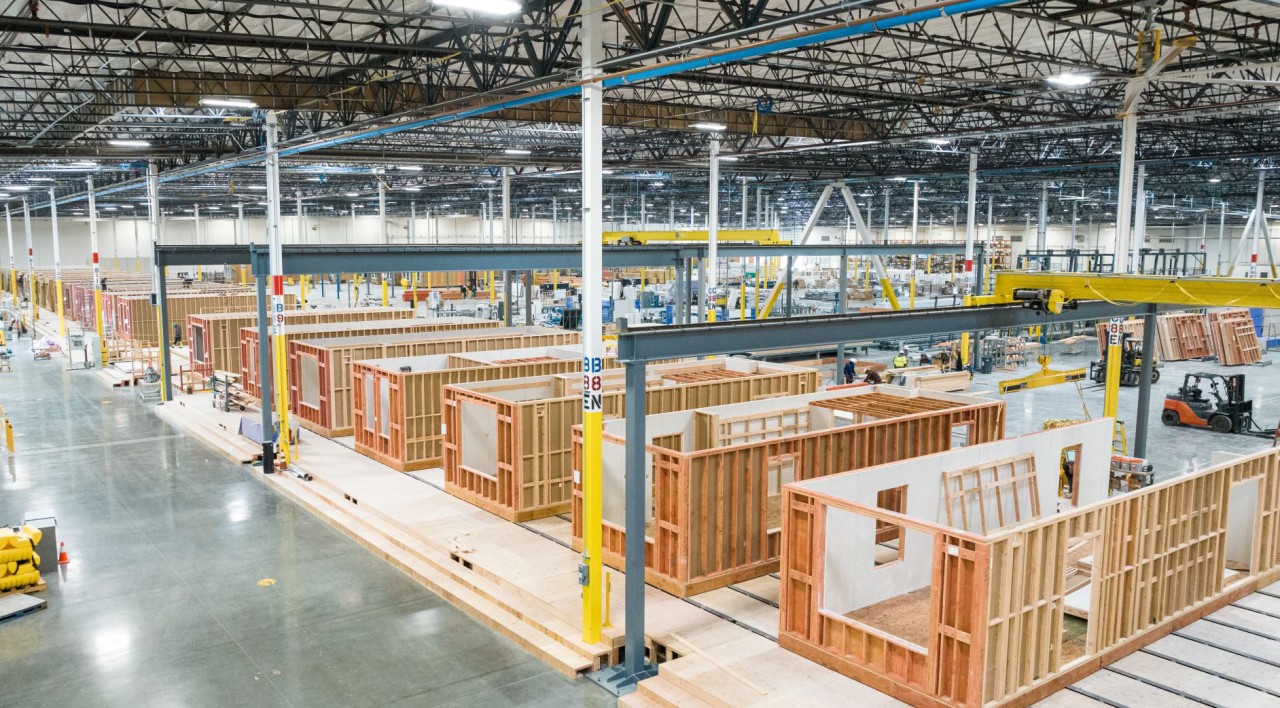
Offsite construction factories often boast cutting-edge technology and top-notch efficiency. However, when it comes to attracting and selling to commercial and housing developers, even the most advanced factories can stumble. Without effective marketing and strong customer relationships, these factories risk alienating the very clients they need to succeed. Let’s explore the pitfalls of poor marketing and customer relations—with a humorous take on how not to lose developers before you even get started.
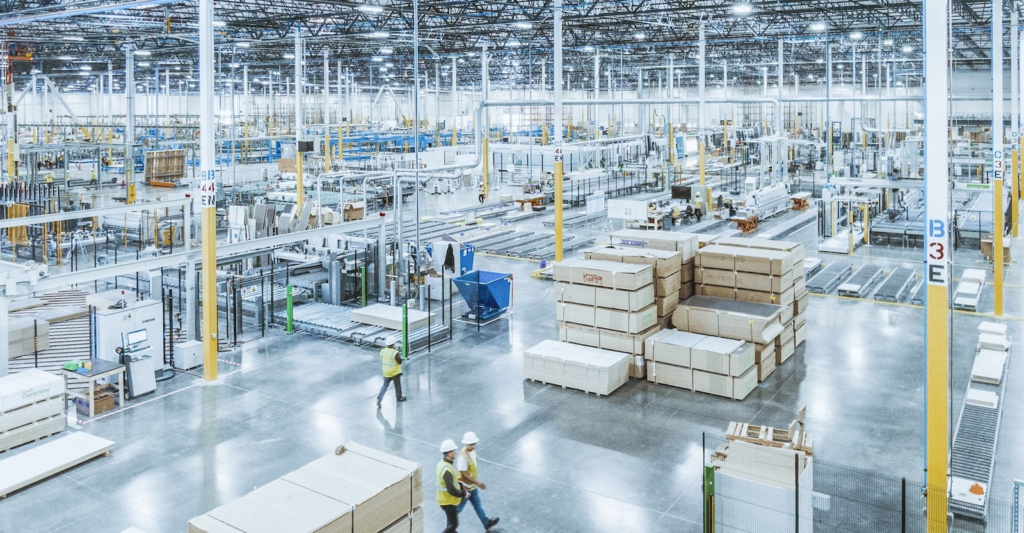
all photos – VBC Modular
Marketing Missteps: The Best-Kept Secret Factory
Many offsite construction factories seem to believe that if they build it, developers will somehow magically find them. Unfortunately, that’s not how the market works. Developers are busy, discerning, and always looking for reliable partners who can deliver value. If your factory is invisible, they’ll never know what you bring to the table.
Stealth Mode Is Not a Strategy
Some factories think minimal marketing is acceptable, relying on word-of-mouth or outdated materials to “sell” their services. This is the marketing equivalent of tossing your business card into the wind and hoping it lands in the right hands.
- Gary’s Tip: Invest in a professional website that highlights your projects, capabilities, and developer-focused benefits. Showcase your ability to deliver scalable, cost-effective solutions for both commercial and residential projects.

.
Failing to Understand Developers’ Needs
Housing and commercial developers don’t care about factory specs or production jargon—they care about results. Developers are laser-focused on ROI, project timelines, and reliability. If your pitch fails to address these concerns, you’ve already lost their interest.
Features vs. Benefits
Imagine you’re trying to sell a modular apartment complex to a developer by explaining your cutting-edge production line. While that’s impressive, they’re really asking, “How quickly can I break ground? How much will this save me in labor and materials? Will it meet local building codes without delays?”
- Gary’s Tip: Speak to their pain points. Highlight how your factory can save time, reduce costs, and mitigate risks. Developers want partners who make their jobs easier, not more complicated.
Ghosting Developers: A Surefire Way to Lose Deals
Let’s say you’ve piqued a developer’s interest—congratulations! But what happens next? If you leave their emails unanswered or fail to follow up after a pitch, you’re essentially handing the deal to your competitors.
The Silent Treatment Strategy
Developers are juggling multiple projects and tight deadlines. If you’re slow to respond, they’ll move on to a factory that treats their inquiry with urgency. Ignoring potential clients is like owning a restaurant but forgetting to unlock the front door—opportunity walks right past you.
- Gary’s Tip: Create a streamlined process for responding to developer inquiries. Even a simple acknowledgment, such as “We’re preparing a detailed proposal for you and will have it ready by Friday,” shows professionalism and builds trust.
.
Building Partnerships, Not Transactions
Developers are looking for long-term partners, not one-time vendors. They want to collaborate with factories that understand their goals and can adapt to changing project requirements. Building these relationships requires effort, transparency, and a commitment to mutual success.
Overpromising and Underdelivering
Nothing frustrates developers more than unrealistic timelines or unexpected costs. If you promise to deliver a modular hotel in 90 days and it takes 180, you’re not just risking one project—you’re damaging your reputation for all future opportunities.
- Gary’s Tip: Be honest about what you can deliver and when. Developers appreciate clarity and realistic timelines over pie-in-the-sky promises that fall apart under scrutiny.
Marketing That Speaks Developer
Your marketing materials should be tailored to the unique needs of developers. Instead of generic brochures or a one-size-fits-all website, create content that speaks directly to the benefits of partnering with your factory.
The Forgettable Brochure
Developers don’t have time to sift through dense, technical documents. They need concise, visually appealing materials that answer their key questions: “What’s the cost per square foot? How does this save me time? Can it scale for my larger projects?”
- Gary’s Tip: Use case studies, testimonials, and data-driven results to showcase your factory’s success in meeting developer needs. Highlight your ability to deliver high-quality, code-compliant projects on time and within budget.

.
Understanding the Developer Mindset
Developers are pragmatic decision-makers. They care about numbers, timelines, and risks—not bells and whistles. If your marketing strategy is focused on impressing them with technical jargon rather than addressing their core concerns, you’re missing the mark.
The ROI Pitch
A developer’s favorite words are time savings, cost savings, and predictability. If your pitch doesn’t demonstrate how your factory contributes to these goals, it’s unlikely to resonate.
- Gary’s Tip: Emphasize how your factory’s processes streamline project delivery, reduce on-site labor needs, and minimize costly delays.
Gary’s Final Tip: Don’t Let Your Factory Stay Invisible
Attracting and selling to developers requires more than a great product—it demands a strategic approach to marketing and relationship building. By tailoring your messaging to their needs, responding promptly to inquiries, and delivering on promises, your factory can become a go-to partner for developers in both housing and commercial projects.
So, stop being the invisible factory. Instead, shine a spotlight on your capabilities, prioritize developer relationships, and build a reputation as the factory that delivers value. After all, the only thing developers love more than a solid ROI is a partner they can trust.
VBC Modular is one of the best companies in the Offsite Construction Industry at never forgeting any of the marketing points in this article!
Gary Fleisher, The Modcoach, writes about the modular and offsite construction industry at Modular Home Source.
.

CLICK HERE to read the latest edition

Contact Gary Fleisher