


I’ve watched a lot of modular factory startups over the years. Some were launched by experienced builders. Others were backed by investors, developers, engineers, entrepreneurs, or people who genuinely wanted to help solve the affordable housing crisis. Almost all of them began with optimism, excitement, and a belief that they were about to build something meaningful.
And many of them truly believed that if they could simply build a better house faster and more efficiently, success would naturally follow.
But that’s usually not what happens.
What eventually catches many of these startups off guard is the painful realization that starting a modular factory and operating one are two entirely different skill sets. Unfortunately, very few people recognize that distinction until it’s too late.
By the time the factory closes its doors, the equipment is auctioned off, and employees are left wondering what happened, the stakeholders finally begin to understand the mistakes they made. The sad part is that most of them never intended to fail in the first place.
The Dream Often Starts With Good Intentions
I’ve sat across the table from many startup teams over the years. Some had millions of dollars in funding. Others had very little except passion and determination. Most of them shared one common vision: helping people find housing while modernizing the way homes are built.
They looked at modular construction and saw efficiency, speed, technology, sustainability, and opportunity.
What they often didn’t see were the thousands of moving parts hiding behind the walls of every successful modular factory already operating today. They saw the finished home rolling out of the factory door.
They didn’t see the years of operational experience required to get it there profitably.
Manufacturing Is Not Construction
One of the biggest misunderstandings I continue to see is the assumption that success in construction automatically translates into success in manufacturing.
It doesn’t.
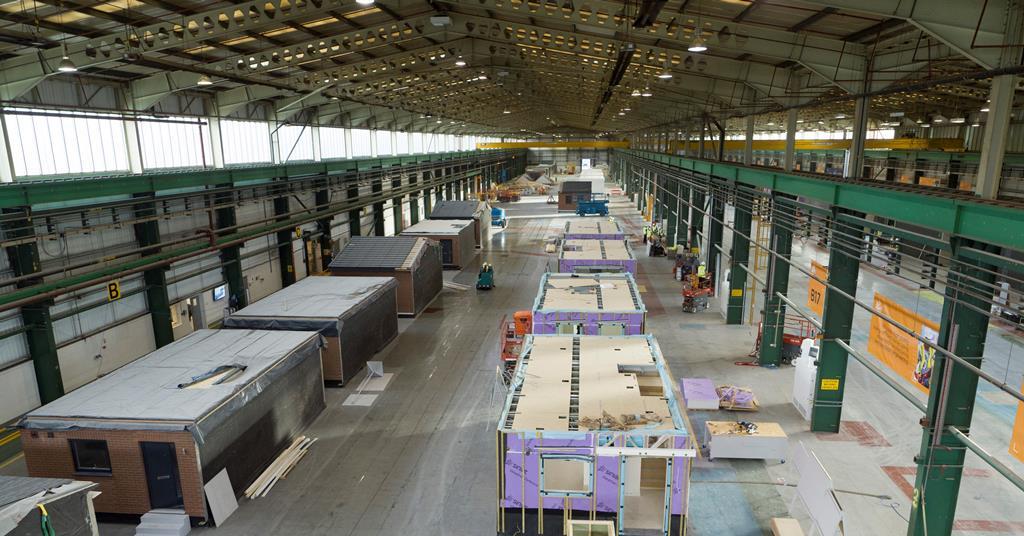
A modular factory is not simply a construction company inside a building. It’s a manufacturing operation that happens to produce homes. That difference changes everything from scheduling and labor management to purchasing, workflow, inventory control, quality assurance, transportation coordination, engineering integration, and production-line efficiency.
I’ve watched highly successful site builders walk into modular manufacturing believing they already understood the business, only to discover they were entering an entirely different world.
And unfortunately, modular factories are not forgiving places to learn expensive lessons.
Experience Is Usually Cheaper Than Failure
This is why I’ve always believed one of the smartest investments any startup can make is bringing in an experienced modular factory startup consultant from the very beginning.
Not after problems begin. Not after production delays start piling up. Not after investors start asking difficult questions.
At the beginning.
An experienced consultant has usually already lived through the mistakes new startups are about to make. They understand how to avoid bottlenecks, production inefficiencies, staffing problems, unrealistic timelines, poor equipment purchases, bad layouts, and flawed assumptions about sales volume.
More importantly, they understand how all those pieces connect together.
Because in modular manufacturing, one bad decision rarely stays isolated. It spreads through the entire operation.
Choosing the Wrong Location Can Haunt a Factory Forever
I’ve seen startups choose factory locations based on cheap buildings or generous incentives while ignoring labor availability, transportation logistics, supplier access, or long-term regional demand.
At first, the location feels like a win because the upfront costs look attractive.
Then reality arrives.
Workers can’t be found. Transportation costs climb. Suppliers are too far away. Delivery routes become nightmares. Skilled managers refuse to relocate. Suddenly, the “cheap” location becomes one of the most expensive decisions the company ever made.
An experienced startup consultant understands how important location truly is because they’ve seen what happens when it’s chosen for the wrong reasons.
Hiring Friends Rarely Builds Great Factories
Another painful reality many startups eventually discover is that loyalty and friendship are not substitutes for experience.
When a new modular factory begins, there’s often excitement about bringing in familiar faces, former coworkers, family members, or people investors trust personally. While some of those hires work out well, others become major operational liabilities because they simply don’t understand modular manufacturing.
A startup factory needs experienced production managers, purchasing personnel, estimators, quality-control leaders, set coordinators, service managers, and scheduling professionals who understand the pace and precision required in factory-built housing.
That kind of talent is harder to find than most people realize.
And when the wrong people are placed into key positions, the factory usually pays for those mistakes every single day.
Production Lines Are Living Systems
I think many outsiders imagine a modular production line as simply a row of workstations building houses in sequence.
In reality, a production line behaves more like a living organism. Every station depends on the performance of the previous station. One delay creates another. One poorly designed workflow affects every downstream operation.
I’ve seen factories spend millions redesigning production lines after realizing their original layouts created inefficiencies that could never be overcome.
Some equipment purchases looked impressive during demonstrations but became maintenance nightmares six months later. Other factories bought highly automated systems without realizing they lacked the production volume or trained workforce necessary to justify them.
These are the kinds of expensive lessons experienced consultants help prevent.
The Business Side Is Often the Weakest Link
Ironically, some startup factories actually build very good homes.
What they fail at is running the business itself.
Cash flow management, production forecasting, scheduling discipline, inventory control, warranty systems, dealer development, transportation coordination, financing relationships, and marketing strategies often receive far less attention during startup planning than they should.
Many stakeholders focus heavily on the product while underestimating the complexity of the business systems required to support that product.
A modular factory can produce beautiful homes and still fail financially.
I’ve watched it happen more than once.
The Human Cost of Failure
What makes factory closures especially difficult for me is knowing how many people genuinely believed in the dream.
Employees relocate their families. Managers leave secure jobs. Communities celebrate new manufacturing opportunities. Investors believe they’re helping solve housing shortages. Local officials promote economic development and job creation.
Then one day, the production line slows down.
Rumors begin. Vendors stop extending credit. Paychecks become uncertain. And eventually the doors close.
By that point, everyone involved finally understands that good intentions alone were never enough to guarantee success.
Modcoach Observation

I’ve learned over the years that most modular factory startups don’t fail because people are lazy, dishonest, or uncaring. They fail because too many stakeholders underestimate the complexity of what they’re trying to build.
They fall in love with the mission before fully understanding the machinery required to support it.
The modular industry desperately needs innovation, new factories, and fresh thinking. But it also needs humility. There’s nothing wrong with bringing in experienced people who have already walked through the minefields before you. In fact, it may be the smartest decision a startup ever makes.
Because in modular manufacturing, enthusiasm can open the factory doors.
But experience is usually what keeps them open.