



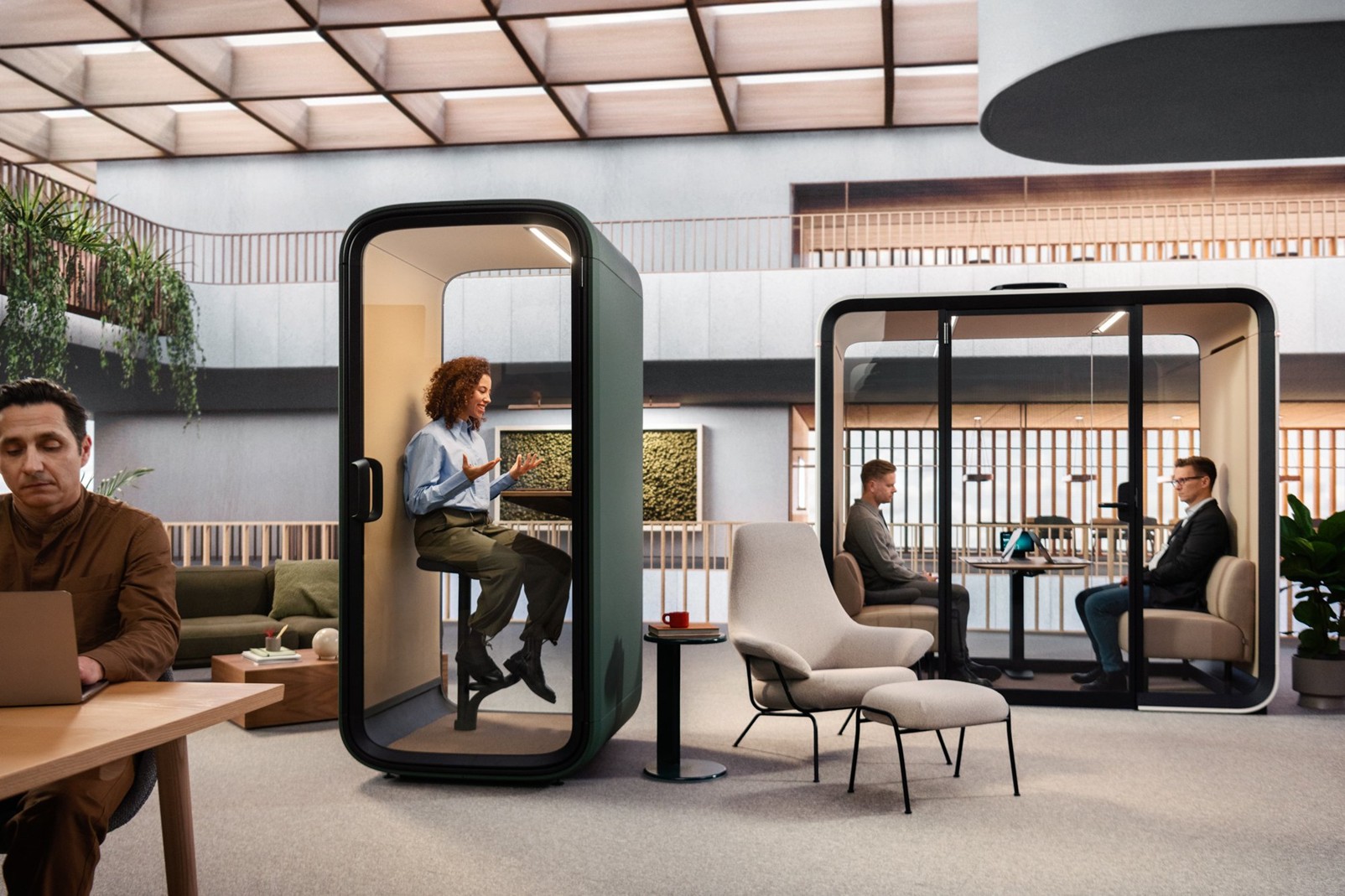
For years, Framery has built its reputation on something most construction professionals rarely think about—silence. Not the absence of work, but the absence of noise. Now, that quiet innovation is getting a lot louder as the company prepares to open its first U.S. manufacturing operation in Zeeland, Michigan.
The move isn’t just about geography. It’s about proximity to demand, speed to market, and a growing realization that workplace design is changing faster than many traditional construction sectors are willing to admit. Framery’s decision to convert its existing logistics center into a full-scale factory signals confidence in North America as a long-term growth engine.
From Logistics to Local Manufacturing
The Zeeland facility won’t start from scratch. It’s already been handling logistics, light assembly, and customization work tied to products shipped from Finland. Now it will evolve into a full manufacturing operation, with production expected to ramp up through 2026 and into 2027.
That transition tells a bigger story. Instead of shipping fully finished products across the Atlantic, Framery is tightening its supply chain, reducing shipping costs and carbon footprint, and insulating itself from global disruptions. In today’s uncertain trade environment, that’s not just smart—it’s becoming necessary.
Why Michigan? Follow the Industry Clusters
Zeeland isn’t a random pin on the map. It sits in one of the most established office furniture manufacturing regions in the world, surrounded by skilled labor and a deep supplier network.
For a company that produces precision-engineered, soundproof pods, that ecosystem matters. It’s not unlike what we’ve seen in modular construction clusters—once the suppliers, talent, and logistics align, the entire production process becomes more efficient and scalable.

A Product Built for a Changing Workplace
Framery isn’t just relocating production. It’s preparing to launch a new product line designed specifically for North American workplaces.
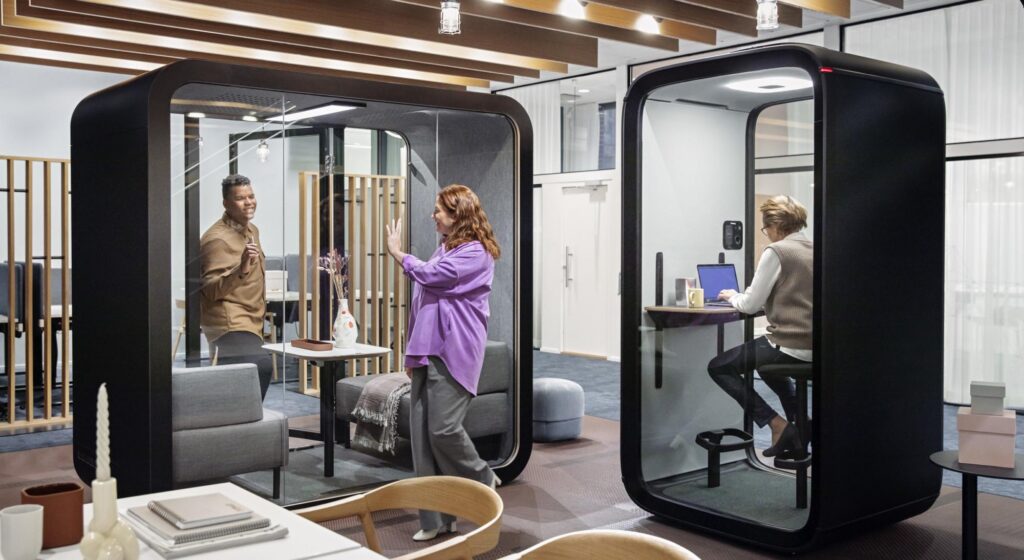
That’s a subtle but important shift. Instead of exporting a European solution, they’re designing for local expectations—larger office footprints, different acoustical needs, and a hybrid workforce that demands flexibility.
In many ways, these pods are micro-modular construction. Prefabricated, repeatable, and installed without the mess and disruption of traditional buildouts. Sound familiar? It should.
Small Footprint, Big Implications
At first glance, office pods might seem like a niche product. But they represent a broader trend that should catch the attention of anyone in offsite construction.
They’re factory-built, technology-integrated, and delivered as finished components ready for immediate use. No drywall dust, no weeks of disruption, and no guessing about performance.
If that doesn’t sound like the core promise of modular construction, nothing does.
Modcoach Observation

Here’s what caught my attention. A company that built its entire business in Finland is now investing in U.S. manufacturing not because it has to—but because it makes better business sense to be closer to the customer, faster to respond, and less dependent on global logistics.
Sound familiar? It should.
For years, I’ve been asking why more offsite construction companies aren’t thinking this way—regionalizing production, tightening supply chains, and designing products specifically for their local markets.
Framery didn’t wait for perfect conditions. They saw demand, followed it, and built closer to it.
Sometimes, the biggest lessons for our industry come from the smallest spaces.