






The low-income and affordable housing crisis in America is a multifaceted issue, sparking debates across political, economic, and social arenas. Despite various solutions proposed by stakeholders, including governments, non-profits, and private developers, a universal approach to implementing meaningful change remains elusive.
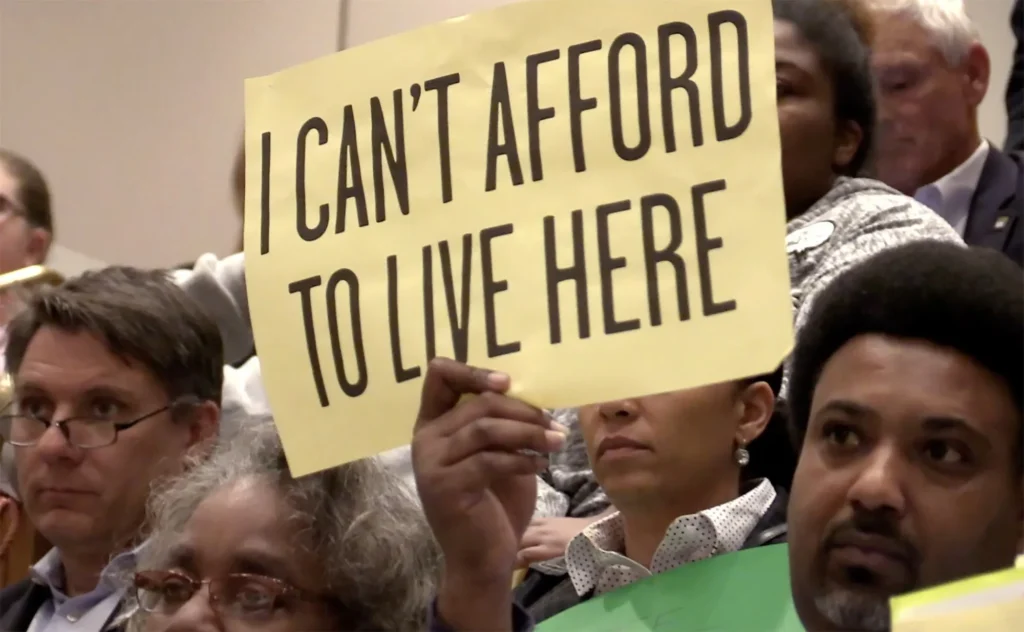
I decided to look into the reasons behind the lack of significant, organized progress, while also suggesting unique answers to these persistent challenges.
Increased Funding for Affordable Housing
One of the most straightforward solutions proposed is the increase of funding for affordable housing at all governmental levels. The idea is to inject substantial financial resources into the construction and maintenance of affordable housing units.
However, this solution faces substantial hurdles. Budget constraints and competing priorities often limit the availability of funds. The political landscape further complicates matters, with constant debates and disagreements on how public money should be spent. The result is often insufficient funding allocated to address the housing crisis effectively.
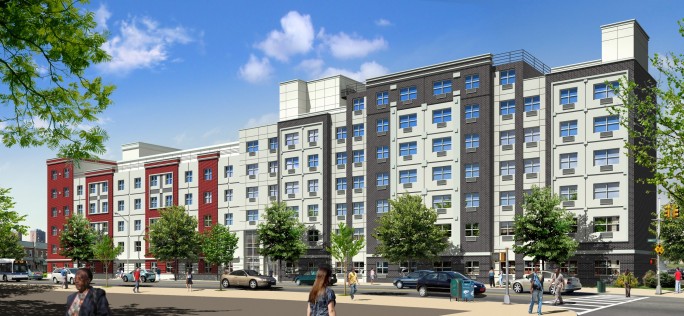
Modcoach’s Answer: Establish a dedicated national affordable housing fund that combines federal, state, and private investments. This fund could be managed by an independent, non-partisan board to ensure consistent and adequate funding, bypassing political gridlock. Additionally, implementing a public-private partnership model where private investors receive tax benefits and partial returns from long-term leasing of affordable housing units can attract more investment.
.
Incentives for Developers
Offering tax credits, grants, or other incentives to private developers is another widely discussed solution. The aim is to make the construction of affordable housing financially attractive. Yet, these incentives frequently fall short of covering the higher costs associated with building affordable units compared to market-rate housing. Developers, driven by profit motives, tend to prioritize projects that yield higher returns, thereby sidelining affordable housing initiatives.
Modcoach’s Answer: Introduce a tiered incentive program where the level of benefits increases with the number of affordable units developed. Implement “density bonuses” that allow developers to build additional units beyond zoning limits in exchange for including affordable housing. Also, creating a streamlined approval process for affordable housing projects can reduce time and costs, making these projects more appealing to developers.
Zoning Reforms
Reforming zoning laws to allow higher density and mixed-use developments is considered a key strategy to facilitate affordable housing construction. This involves changing regulations to permit the development of multi-family units in areas traditionally zoned for single-family homes. Despite the potential benefits, zoning reforms often encounter fierce resistance. Local opposition, commonly known as NIMBYism (Not In My Back Yard), along with bureaucratic inertia, significantly slows down or entirely prevents these reforms. Residents fear that increased density might lower property values or alter the character of their neighborhoods, leading to protracted legal and political battles.
Modcoach’s Answer: Implement “upzoning” in targeted areas with a guaranteed mix of market-rate and affordable housing, ensuring community benefits such as parks or schools are included in development plans. Engage communities early in the planning process through charrettes and workshops to build consensus and address concerns. Additionally, use “form-based codes” that focus on the physical form of the development rather than its use, allowing more flexibility and community-friendly designs.
Utilization of Public Land
Repurposing vacant or underused public land for affordable housing projects is an innovative solution that has gained traction. By converting publicly owned spaces into housing developments, governments can bypass some of the high costs associated with land acquisition. However, identifying suitable land and navigating the legal and logistical hurdles of transferring and developing it can be complex and time-consuming. The intricate process often delays the implementation of such projects.

Modcoach’s Answer: Create a comprehensive national database of available public lands suitable for housing development and fast-track the approval process for transferring these lands. Establish partnerships with non-profit developers who specialize in affordable housing to manage these projects efficiently. Additionally, implement a land banking system where unused public lands are held and strategically released for affordable housing developments over time.
Expansion of Housing Vouchers
Housing vouchers are designed to help low-income families afford rent in the private market. Expanding the availability and value of these vouchers is another proposed solution. Unfortunately, vouchers often do not cover the full cost of rent in high-demand areas. Additionally, some landlords are hesitant to accept them due to concerns about reliability and the bureaucratic procedures involved. This limits the effectiveness of housing vouchers as a widespread solution.
Modcoach’s Answer: Increase the value of housing vouchers to better match market rents in high-demand areas and offer landlords incentives, such as tax breaks or guarantees against missed payments, to encourage participation. Streamline the voucher administration process to reduce bureaucratic hurdles for both tenants and landlords. Implement a pilot program for “tenant-based assistance” where vouchers can be used toward homeownership, providing a pathway to stable housing.
Support for Non-Profit and Community-Based Solutions
Strengthening support for non-profits and community-based organizations that develop and manage affordable housing is a crucial component of the broader strategy. These organizations often have a deep understanding of local needs and are well-positioned to deliver tailored solutions. However, they typically lack the resources and scale necessary to meet the vast demand for affordable housing without substantial and sustained public and private support.
Modcoach’s Answer: Establish a national grant program specifically for non-profits and community-based organizations to scale their operations. Create a mentorship and partnership program where large developers and non-profits can collaborate on projects, combining resources and expertise. Promote social impact bonds where private investors fund non-profit housing projects with the promise of returns tied to successful outcomes.
Political and Ideological Differences
The debate over the role of government versus the private sector in providing housing is a major stumbling block. Political ideologies differ significantly on how to approach the issue, leading to gridlock. Conservative viewpoints often emphasize market-based solutions and reduced government intervention, while liberal perspectives advocate for robust public sector involvement and increased funding. These ideological clashes make it difficult to reach consensus and implement cohesive policies.
Modcoach’s Answer: Foster bipartisan task forces to create comprehensive housing policies that blend market-based and government-supported solutions. Use evidence-based research to highlight successful case studies from both approaches to build common ground. Encourage public dialogues and forums that focus on finding shared values and goals rather than ideological differences.
Funding Limitations
Securing consistent and adequate funding for affordable housing initiatives is a persistent challenge. Despite widespread acknowledgment of the problem, housing often competes with other urgent needs such as healthcare, education, and infrastructure. Consequently, affordable housing programs frequently receive a lower priority and less funding, stalling progress.
Modcoach’s Answer: Establish a dedicated national housing trust fund supported by a combination of public and private sources. Implement innovative financing mechanisms such as social impact bonds and community investment funds to attract private capital. Advocate for a “housing for health” approach, where investments in housing are linked to savings in healthcare costs, demonstrating the broader economic benefits.
Bureaucratic and Regulatory Hurdles
The process of approving and building affordable housing is often mired in bureaucratic red tape. Lengthy approval processes, complex regulations, and local opposition can significantly slow down development. These hurdles not only delay projects but also increase costs, making it even more challenging to deliver affordable housing.
Modcoach’s Answer: Implement a “one-stop-shop” permitting process, similar to the HUD code regulations for manufactured housing, to streamline approvals and reduce bureaucracy. Use technology and data analytics to optimize and expedite the regulatory process. Create specialized task forces within government agencies focused solely on fast-tracking affordable housing projects and cutting through red tape.
Market Dynamics
The real estate market’s dynamics favor high-profit developments, making affordable housing less attractive to private developers. Without substantial incentives or mandates, developers are more inclined to focus on luxury and market-rate housing, which offer higher returns on investment. This market preference exacerbates the shortage of affordable housing.
Modcoach’s Answer: Introduce inclusionary zoning laws that require a certain percentage of new developments to be affordable housing. Establish community land trusts that remove land from the speculative market and ensure long-term affordability. Create public-private partnerships where governments provide land or infrastructure support in exchange for developers committing to affordable housing units.

.
Local Opposition (NIMBYism)
Even when policies and plans are in place, local opposition can significantly delay or derail projects. Communities often resist affordable housing developments due to fears of increased crime, lower property values, or changes to neighborhood dynamics. This resistance, known as NIMBYism, presents a formidable barrier to progress.
Modcoach’s Answer: Implement education campaigns to inform communities about the benefits of affordable housing and dispel myths and misconceptions. Engage in community-based planning where residents have a say in the design and implementation of housing projects, fostering a sense of ownership and acceptance. Use mediation and conflict resolution techniques to address concerns and find mutually agreeable solutions.
Fragmented Efforts
The lack of a coordinated national strategy means that efforts to address the affordable housing crisis are often fragmented and localized. Different regions and cities have varying levels of resources, political will, and community support. This inconsistency leads to a patchwork of success and failure, with some areas making strides while others lag behind.
Modcoach’s Answer: Develop a comprehensive national housing strategy that aligns federal, state, and local efforts. Create a centralized agency to coordinate and oversee affordable housing initiatives across the country. Use technology to share best practices, data, and resources between regions to create a more unified and effective approach.
Modcoach Note
While many viable solutions to America’s affordable housing crisis have been proposed and some have seen localized success, the issue remains unresolved due to a combination of political, economic, and social challenges. Addressing these barriers requires a comprehensive, coordinated approach that leverages the strengths of all stakeholders. Only through concerted and collaborative efforts, and the implementation of unique and innovative solutions, can we hope to make significant, organized progress in solving this critical problem.
.

CLICK HERE to read the latest edition

Contact Gary Fleisher