






Experience Is Worthless If It Dies With Us
One of the things that has bothered me for years is how poorly the construction industry shares the lessons it learned the hard way. We talk endlessly about innovation, productivity, automation, artificial intelligence, and attracting younger people into construction. What we do not talk about nearly enough are the mistakes that cost builders millions of dollars, destroyed companies, displaced families, and left experienced construction professionals wondering how they missed the warning signs.
Those lessons should be required learning for every new builder and construction company owner. Unfortunately, much of that knowledge remains locked inside the memories of people who lived through the problems. As those people retire, the industry loses more than their technical ability. It loses the scar tissue that taught them when to question a supplier, distrust a bargain, investigate an unfamiliar product, or slow down before approving a substitute material.
Young construction owners are not less intelligent than the generations before them. They simply have not yet encountered many of the problems that shaped the judgment of experienced builders. Unless we deliberately share that history, the industry will continue requiring every generation to learn the same lessons by making its own expensive mistakes.
A Crisis Many Younger Builders Never Knew
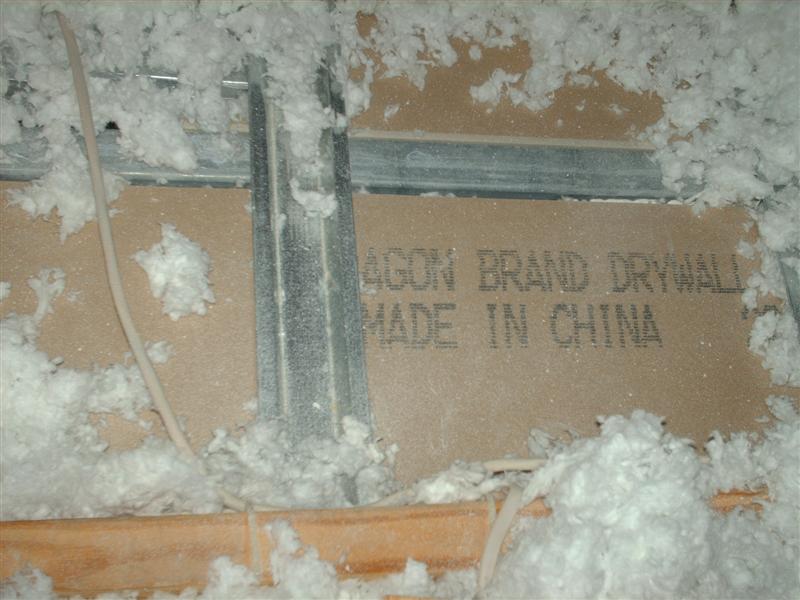
The Chinese drywall crisis is a perfect example. Anyone entering construction during the past 10 to 12 years may know little or nothing about it, yet it became one of the most damaging material failures in modern residential construction.
Between approximately 2001 and 2009, large quantities of drywall were imported into the United States from China. Demand for building materials was high, particularly following the devastating hurricanes that struck the Gulf Coast. Builders needed drywall, domestic supplies were strained, and imported products helped fill the gap.
The drywall looked like drywall. It could be delivered, handled, cut, fastened, taped, finished, and painted like the products builders had used for decades. Nothing about its appearance necessarily warned a superintendent, installer, purchasing agent, or homeowner that something was terribly wrong.
Once installed, however, some of the drywall released sulfur compounds. Homeowners began reporting rotten-egg odors that often became worse during hot and humid weather. Copper wiring, air-conditioning coils, plumbing components, and other metals blackened and corroded. Refrigerators, air conditioners, appliances, and electronic equipment began failing prematurely.
Residents also reported chronic coughing, wheezing, breathing difficulties, headaches, burning eyes, sinus problems, and aggravated asthma. What had started as a seemingly ordinary material purchase became a construction, financial, legal, and public-health nightmare.
No modular or manufactured housing factory bought Chinese drywall
The Damage Went Far Beyond Drywall
The Chinese drywall crisis should never be remembered simply as a problem involving defective gypsum board. Its real lesson is how one questionable product can spread liability throughout an entire house and across every company connected to it.
Removing the drywall was only part of the solution. In many contaminated homes, remediation required stripping interiors back to the framing. Electrical wiring, plumbing components, air-conditioning equipment, and other affected materials sometimes had to be removed and replaced. Families were displaced, houses lost value, builders faced claims, insurers debated coverage, and lawsuits continued for years.
The damage was also difficult to contain because the supply chain was not always easy to trace. Builders might have purchased drywall from a distributor, who acquired it through another supplier, who obtained it through an importer. By the time failures were discovered, companies had closed, records were incomplete, and responsibility had become a legal argument.
That is the part younger builders need to understand. When something goes wrong inside a house, the homeowner does not begin by searching for an overseas manufacturer. The homeowner begins with the builder whose name is on the contract.
Familiar-Looking Products Can Carry Unfamiliar Risks
Construction professionals naturally become comfortable with products they use every day. A sheet of drywall looks like another sheet of drywall. A fitting looks like another fitting. A roll of wire, a piece of siding, an electrical component, or an engineered structural product may appear nearly identical to what was previously used.
That visual familiarity can create a false sense of security. The industry often assumes that if a product is being sold through an established channel, someone else must have verified it. The distributor assumes the importer performed the necessary checks. The importer relies on the manufacturer’s documentation. The builder trusts the supplier, and the homeowner trusts the builder.
When the product fails, everyone begins pointing toward the company ahead of them in the supply chain. Meanwhile, the homeowner is still living with the consequences, and the builder may be the only responsible party who is nearby, identifiable, and financially accessible.
The next industry-wide failure may not involve drywall. It could involve imported electrical components, batteries, adhesives, insulation, plumbing products, structural connectors, engineered lumber, fire-resistant materials, or one of the many new products being promoted as faster, less expensive, or environmentally responsible.
Innovation is essential, but innovation without investigation is simply risk wearing a new label.
NAHB Should Teach Construction’s Hardest Lessons
I believe the National Association of Home Builders should develop a course focused on major construction failures and the lessons they left behind. It might be called “Construction Lessons Learned the Hard Way,” and it should be designed for emerging builders, younger company owners, project managers, purchasing personnel, and anyone responsible for approving materials.
The course should include the Chinese drywall crisis, but it should not stop there. Case studies could examine polybutylene plumbing, aluminum branch wiring, synthetic stucco failures, fire-retardant-treated plywood, defective siding, poorly installed spray foam, moisture-trapping wall systems, and other products or practices that created widespread problems.
This should not become a history course filled with dates, legal terminology, and photographs of damaged houses. Every case study should answer practical questions: What went wrong? Why did builders fail to recognize it? What warning signs were missed? Who was held responsible? Which records proved valuable? What could builders have done differently before approving the material?
The purpose would not be to frighten builders away from new products. It would teach them how to evaluate those products with the seriousness they deserve.
Questions Every Builder Should Ask
Before accepting an unfamiliar material, system, or substitute product, builders should know who manufactured it, where it was produced, and whether every shipment can be traced. They should verify which independent organizations tested it, whether the certifications are legitimate and current, and whether the product has performed successfully in the same climate and application.
Builders also need to investigate the warranty and the company standing behind it. A 25-year warranty from a manufacturer that may not survive another three years provides little protection. The same is true when the supplier, importer, and manufacturer are different organizations located in different countries.
Someone should also ask what happens if the product fails throughout an entire development. Can the manufacturer afford to replace it? Does the builder’s insurance cover the loss? Will the supplier defend the product or simply provide the manufacturer’s contact information? Are samples, lot numbers, invoices, approvals, and installation records being retained?
These are not glamorous questions, but neither are callbacks, lawsuits, forced remediation, damaged reputations, and bankruptcies.
The Industry Needs to Preserve Its Scar Tissue
Experienced construction people carry an enormous amount of knowledge that cannot be found in a codebook. They remember the products that were supposed to revolutionize the industry but disappeared after a few years. They remember suppliers who made promises until the first serious warranty claim arrived. They remember the shortcuts that saved a few dollars during construction and cost thousands after occupancy.
That knowledge should not disappear when those people retire. It should be collected, organized, taught, and debated by the next generation of construction leaders.
We spend a great deal of time telling younger people that construction offers tremendous opportunities, and it does. We should also give them access to the lessons previous generations paid dearly to learn. Otherwise, we are handing them the keys to the industry without showing them where the roads washed out.
Gary’s Observation

Experience becomes truly valuable only when it is transferred to someone who has not yet made the same mistake. If experienced construction professionals keep their hardest lessons to themselves, the problems do not retire with them. They remain quietly inside the industry, waiting for a younger and unsuspecting builder to discover them all over again.