





A cautionary tale for startups that dream of solving housing affordability overnight
Two years ago, I wrote about a company that seemed to capture the spirit of housing innovation. Brownstone Shared Housing, a California startup led by CEO James Stallworth, had a bold idea — convert existing buildings into “sleeping pod” communities for working professionals priced out of major cities.
Modcoach note: There website is no longer active.
At the time, it felt like a glimpse of the future. In a world where a San Francisco apartment can rent for $3,000 a month, Brownstone’s $700 sleeping pods offered affordability, flexibility, and a sense of shared purpose. The concept looked like the next logical step in urban co-living.

The company’s founders, James Stallworth and Christina Lennox
But just as quickly as Brownstone rose to prominence, it stumbled into a perfect storm of legal trouble, regulatory backlash, and financial strain.
The Dream: Affordable Co-Living Through Sleeping Pods
Brownstone’s concept was straightforward: take an underused building, retrofit it into compact “pods,” and create a communal living environment that offered privacy, affordability, and proximity to work.
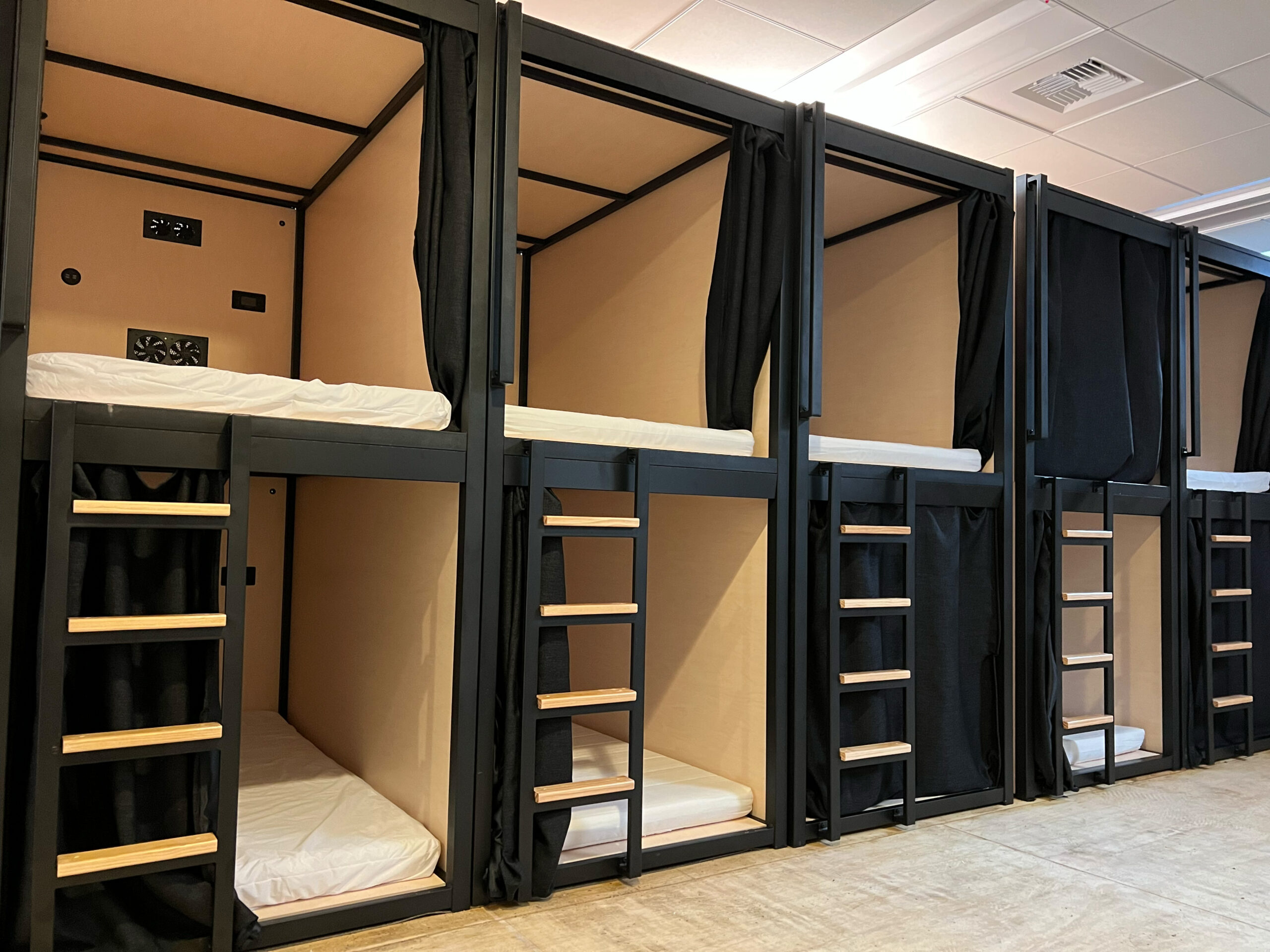
Each pod, roughly the size of a walk-in closet, offered a personal sleeping space with lighting, power, and ventilation. Shared kitchens, bathrooms, and work areas made it more like an urban dormitory than a traditional apartment.

At first, the response was electric. The company claimed waiting lists of tenants who saw pod living as an acceptable tradeoff for affordability and location. City officials in San Francisco initially gave the project a green light, seeing it as a creative — if unconventional — solution to a crisis that had few options left.
The Fall: When Innovation Meets Regulation
Then came the unraveling.
Brownstone’s San Francisco project ran headfirst into the bureaucratic maze that every housing startup eventually meets — but few survive. The city rescinded its approval after discovering that the company’s application misrepresented aspects of the project, particularly how it met affordable housing standards.
Soon after, building inspectors cited the property for multiple code violations, including operating without proper permits. The landlord, alleging over $150,000 in unpaid rent, filed a lawsuit that led to an eviction.
For a time, the story of Brownstone became a social media spectacle — a company with good intentions but poor execution. City penalties, lawsuits, and headlines about “sleeping pod evictions” replaced the earlier optimism that Brownstone had generated.

CEO James Stallworth acknowledged missteps, admitting that the company failed to communicate effectively with both city officials and the property owner. It was a rare and candid admission from a founder under fire, but it also revealed how thin the line can be between innovation and implosion.
The Lesson: Innovation Alone Is Not Enough
For many in the offsite and modular housing world, Brownstone’s collapse is a cautionary tale. Great ideas can capture headlines and attract investors — but execution, compliance, and transparency are what keep them alive.
Startups in the housing sector face an especially steep climb. Unlike software or consumer tech, building innovation requires navigating layers of local codes, zoning restrictions, fire regulations, and political scrutiny. A startup can’t “move fast and break things” when those “things” include building safety and tenant rights.
The reality is that cities are not built for rapid experimentation. Every structure that houses people must meet stringent requirements. Brownstone’s leadership underestimated how inflexible the system could be and overestimated its ability to manage multiple layers of compliance while expanding.
It’s a familiar story to anyone who’s launched an offsite factory, a new building system, or a digital construction platform: the dream is fast, but the paperwork is slow.
The Possible Rebound: Lessons Turned Into Leadership
Yet Brownstone may not be done. Stallworth has publicly expressed his desire to learn from the mistakes and rebuild the company with stronger partnerships, better permitting processes, and improved transparency with both city officials and landlords.
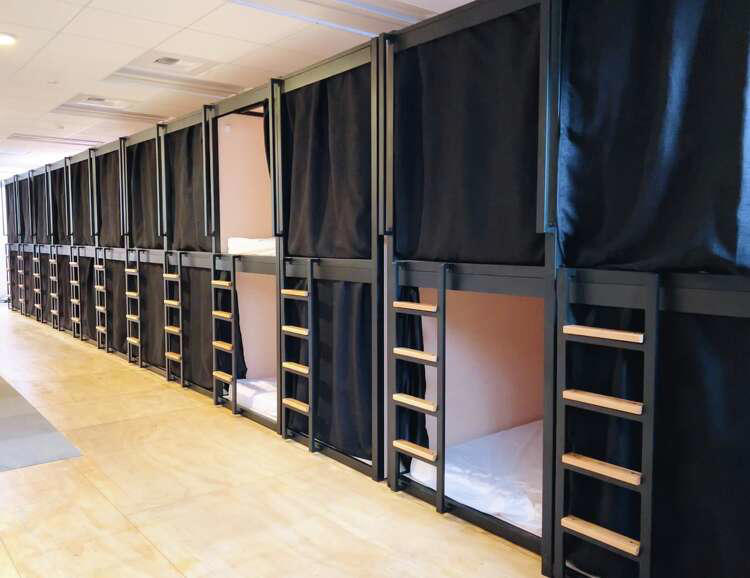
There’s still interest in the core concept of shared micro-living. The housing crisis hasn’t gone away — if anything, it’s worse. Cities still need affordable solutions that can be deployed quickly and efficiently, especially for single professionals and essential workers.
The “sleeping pod” model, when done legally and ethically, could still have a place. With proper oversight, smaller living spaces and shared amenities could help urban housing evolve toward sustainability and affordability. In that sense, Brownstone’s original mission wasn’t wrong — only its execution.
Startups often fail not because their ideas are bad, but because they collide with the hard walls of regulation, finance, and public perception before they mature. Whether Brownstone reemerges or another company picks up the model, the experiment has already taught the industry valuable lessons.
A Broader Message for Offsite Innovators
Every modular factory, ADU startup, and prefab entrepreneur can take something from Brownstone’s experience. Innovation means little if you don’t build trust — with local governments, with your partners, and with the people you house.

As modular and offsite builders push for more acceptance nationwide, they’re facing many of the same obstacles: outdated zoning, skeptical regulators, and communities that fear the unfamiliar. The difference between success and failure often comes down to communication, patience, and compliance as much as it does to technology or vision.
Brownstone may have failed to navigate the rules, but it succeeded in reminding everyone that disruption doesn’t excuse due diligence.
My Final Thought: A Lesson in Resilience
The story of Brownstone Shared Housing is still being written. Whether the company stages a comeback or becomes a footnote in the history of housing innovation, its experience carries a clear message for every startup founder: in housing, ambition must move at the speed of trust.
Great ideas can make headlines. But great execution — grounded in transparency, communication, and respect for the process — is what keeps the lights on and the doors open.
And sometimes, the most valuable innovation a startup can make is not a new product, but a second chance done right.
.
With over 9,000 published articles on modular and offsite construction, Gary Fleisher remains one of the most trusted voices in the industry.
.

CLICK HERE to read the latest edition

Contact Gary Fleisher