






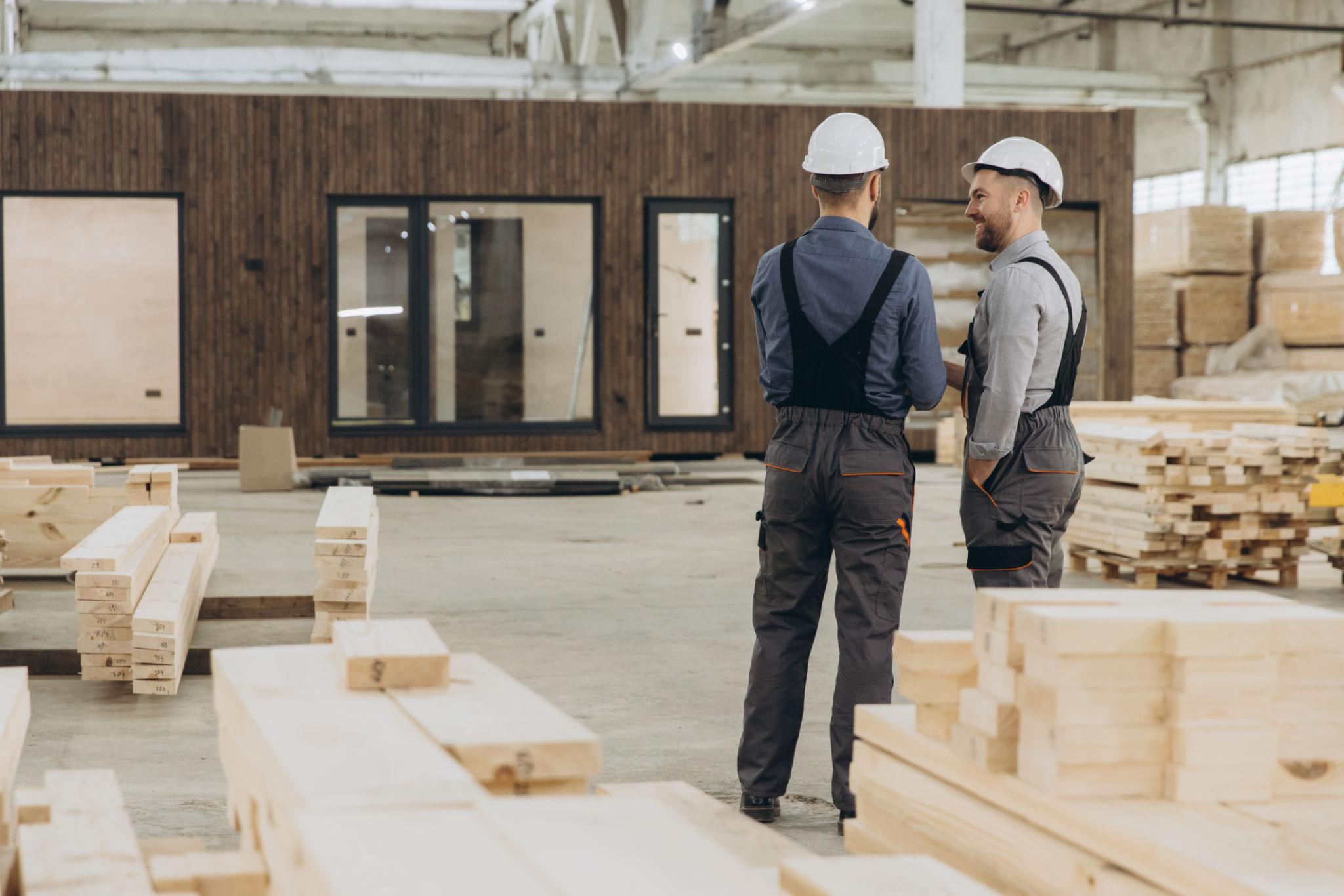
Why young workers struggle—and how offsite can fix it
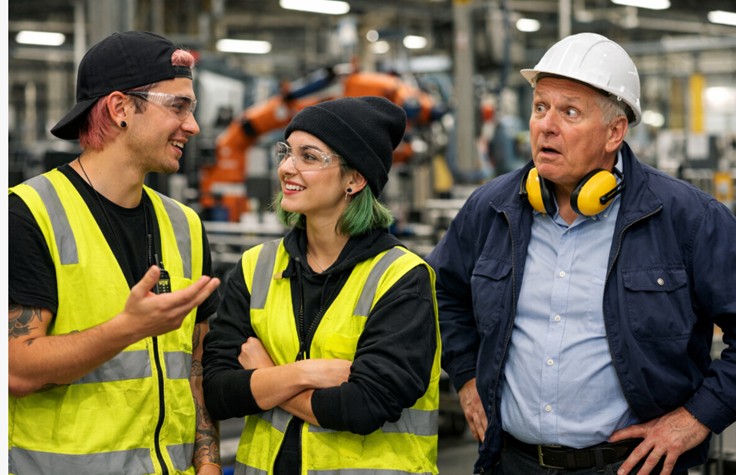
The Headlines vs. What’s Really Happening
Lately, the headlines have been loud and a little brutal. Employers are firing Gen Z workers at higher rates and pointing to everything from poor communication to lack of initiative as the reason.
On the surface, it sounds like a generational failure. But if you’ve spent any real time inside a modular or offsite factory, you know it’s not that simple.
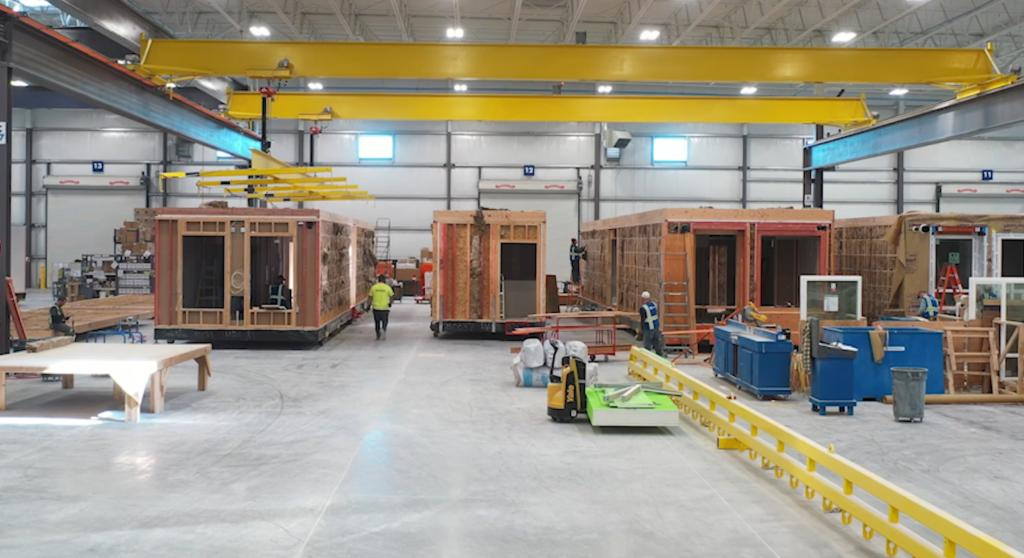
What we’re seeing isn’t a collapse of work ethic. It’s a mismatch between how Gen Z learned to work and how our industry still expects them to perform.
The Complaints Sound Familiar—for a Reason
Talk to factory managers and you’ll hear a consistent set of frustrations. Younger workers don’t take initiative. They struggle with communication. They seem unorganized or disengaged.
In a production environment, those issues aren’t small. A missed instruction can slow a line. Poor communication between departments can lead to rework. A lack of urgency can throw off an entire schedule.
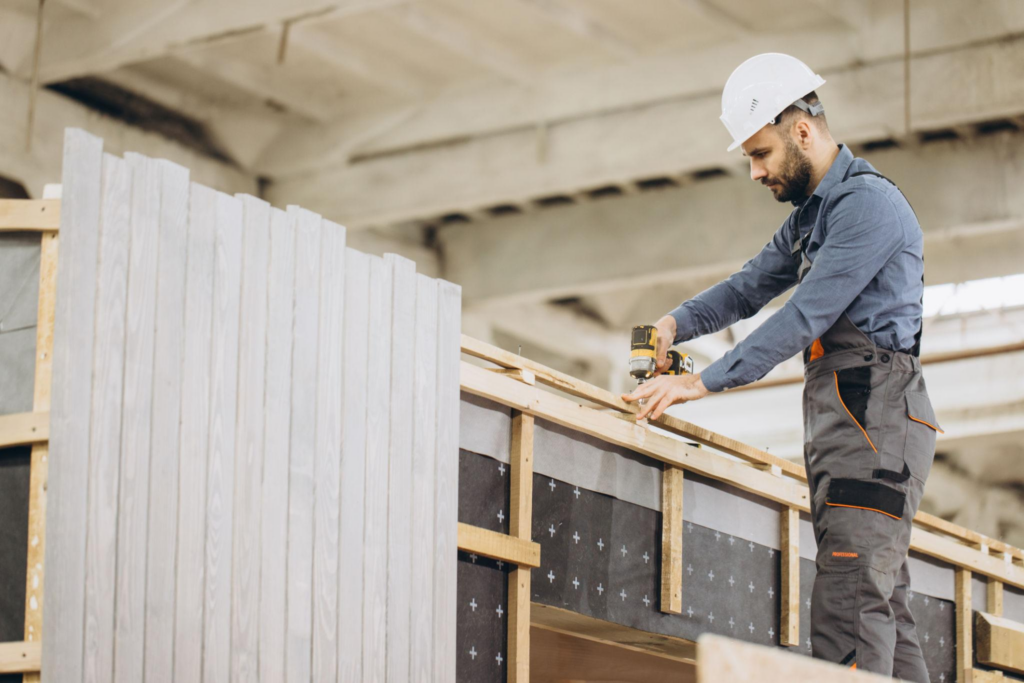
But here’s the uncomfortable truth. Every one of those complaints has been said about every new generation entering the workforce.
The difference today is that the gap between expectations and reality is wider than it’s ever been.
How Gen Z Was Wired to Work
Gen Z didn’t grow up in factories. They grew up in systems.
School environments were structured. Instructions were clear. Feedback was immediate. Technology filled in the gaps when something wasn’t understood.
If they didn’t know something, they Googled it. If they needed direction, it was usually spelled out step-by-step.
Now drop that same person into a modular factory where the expectation is to “watch, learn, and figure it out.”
That’s not a lack of ability. That’s a completely different operating system.
How Factories Still Expect People to Learn
Most offsite factories still rely on a version of training that hasn’t changed in decades. You get a quick walkthrough, maybe shadow someone for a few days, and then you’re expected to keep up.

Feedback is often inconsistent. Sometimes it only shows up when something goes wrong. Communication can be verbal, rushed, and dependent on who happens to be nearby.
For experienced workers, that’s normal. For Gen Z, it can feel like chaos.
And when people feel lost, they don’t perform well. They disengage.

Why This Hits Offsite Harder Than Most Industries
In many industries, a mistake can be corrected quietly. In modular construction, mistakes show up fast and cost real money.
A miscommunication between engineering and production doesn’t just create confusion. It creates rework. A missed detail on the line doesn’t just slow things down. It can delay delivery.

Offsite construction is built on coordination, timing, and precision. That means communication and initiative aren’t optional. They’re critical.
So when a generation enters the workforce that communicates differently, the friction becomes impossible to ignore.
The Collision Happening on the Production Floor
What we’re seeing right now is less about failure and more about collision.
Gen Z workers want clarity. They want to understand why they’re doing something, not just how. They expect feedback regularly, not occasionally. They’re comfortable with technology and expect systems to support them.
Factories, on the other hand, often operate on tradition. Do the job. Keep the line moving. Ask questions if you’re unsure—but don’t slow things down.
Neither side is wrong. But neither side is fully adapting either.
The Misunderstandings That Keep Growing
When a supervisor says, “They don’t care,” what they’re often seeing is someone who doesn’t understand the bigger picture. When a young worker feels ignored, what they’re experiencing is a lack of feedback they’ve always depended on.
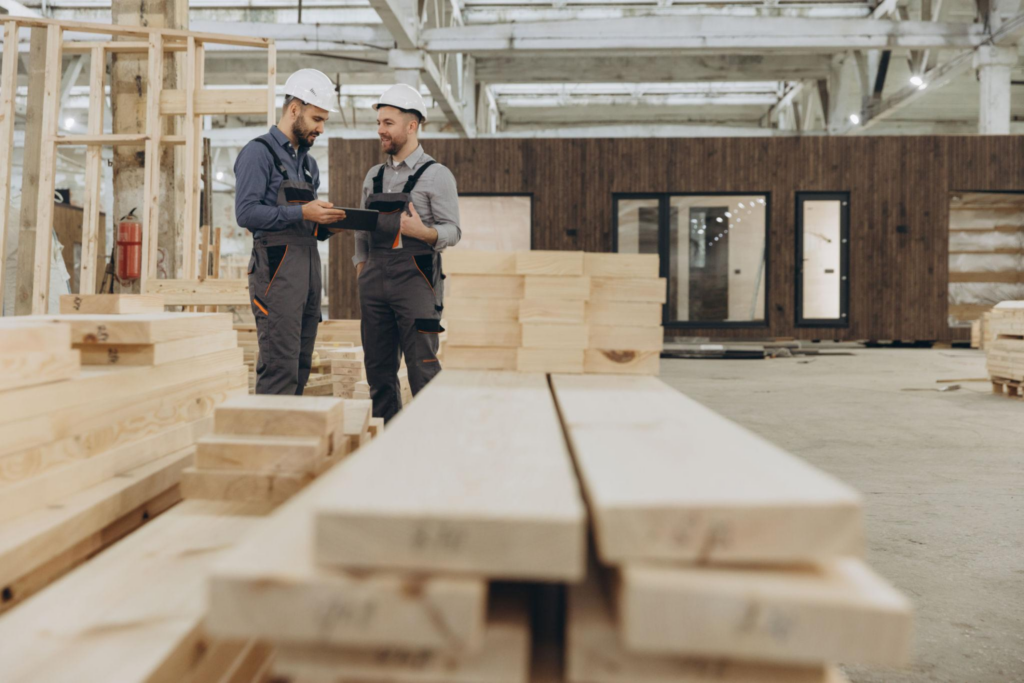
When managers say Gen Z lacks work ethic, it’s often because expectations haven’t been clearly defined. When Gen Z says the job feels pointless, it’s usually because no one has connected their role to the finished product.
These aren’t personality flaws. They’re communication gaps.
And communication gaps in a factory environment don’t stay small for long.
What Smart Factories Are Starting to Figure Out
Some factories are beginning to adjust, and the results are noticeable.
Training is becoming more structured. Instead of “watch and learn,” there are clear steps and expectations. Feedback is happening daily or weekly instead of only when mistakes happen.
Technology is being introduced in practical ways. Tablets, visual dashboards, and digital checklists help bridge the gap between instruction and execution.
Mentorship is also making a quiet comeback. Pairing experienced workers with newer employees creates a transfer of knowledge that benefits both sides.
These changes don’t lower standards. They raise clarity.
What Gen Z Needs to Understand About Factory Work
This isn’t a one-sided story. Gen Z workers also have adjustments to make.
Factory work isn’t remote work. Deadlines aren’t flexible. If something goes wrong on the line, it affects everyone downstream.
Communication needs to be direct and immediate. Waiting for perfect clarity before acting doesn’t always work in a fast-paced environment.
And initiative still matters. Even in a structured system, the ability to step forward, ask questions, and solve problems is what separates a good worker from a great one.
Learning the “why” is important. But sometimes, the “how” comes first.
The Risk of Ignoring This Moment
If factories continue to treat this as a Gen Z problem, they’ll keep cycling through employees without solving anything.
The labor shortage won’t improve. Knowledge transfer will slow down. Productivity will suffer in ways that don’t always show up immediately but build over time.
On the other side, if Gen Z decides the industry isn’t worth the effort, they’ll take their skills elsewhere.
And offsite construction doesn’t have the luxury of losing an entire generation of potential workers.
A Turning Point for Offsite Construction
This moment feels frustrating for a lot of people. Managers feel like they’re repeating themselves. Young workers feel like they’re being thrown into situations without support.
But underneath that frustration is an opportunity.
The factories that figure this out first won’t just solve a hiring problem. They’ll build stronger teams, improve communication, and create systems that actually support production instead of relying on tradition alone.
That’s not a small shift. That’s a competitive advantage.
Modcoach Observation

After decades in this industry, I’ve heard every generation blamed for something. The ones who succeed aren’t the ones who complain the loudest—they’re the ones who adjust the fastest.
Right now, offsite construction has a choice. Keep firing Gen Z… or finally figure out how to make them part of the solution.