




By Gary Fleisher
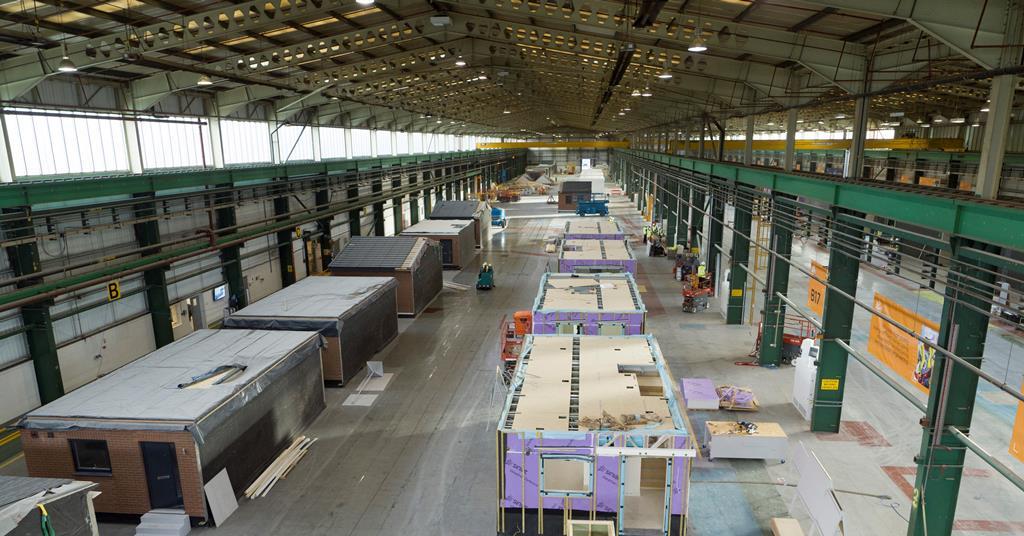
Recently, the construction industry has witnessed a significant shift towards modular construction, touted for its potential to streamline building processes, reduce waste, and cut down on construction time. However, despite these apparent advantages, a worrying trend has emerged: an increasing number of modular construction firms are failing.
POST THIS ON EVERY DOOR IN YOUR FACTORY
Here are some of the root causes of these failures, shedding light on the pitfalls and challenges that have led to the downfall of many promising companies in this sector.
Misjudged Estimations and Contractual Pitfalls
One of the primary reasons for the failure of modular construction firms is the gross underestimation of costs and timelines before signing contracts. This miscalculation often results in firms committing to unrealistic deliverables, setting the stage for financial strain and client dissatisfaction right from the outset.
Chasing Volume Over Value
In a bid to recover from previous losses and keep production facilities operating at capacity, some firms have pursued new, high-value projects at significantly reduced margins. This strategy, while providing temporary relief, has often led to a vicious cycle of diminishing returns, eroding the financial stability of these companies over time.
The Low Margin Trap
The allure of continuous production has led some firms to accept multiple low-margin jobs with tight deadlines. This approach has invariably resulted in increased overtime payments and material cost overruns, further exacerbating financial pressures and undermining the sustainability of their business models.

Coordination Breakdowns
A lack of effective collaboration between civil contractors and factory teams has been another critical challenge. This disconnect often leads to inefficiencies and errors, hampering the smooth execution of projects and contributing to cost overruns and delays.
MEP Reworks: A Symptom of Misalignment
Misalignments in mechanical, electrical, and plumbing (MEP) installations have frequently necessitated costly and time-consuming reworks at construction sites, highlighting significant oversight in the planning and integration of these critical systems.
The Regulatory Hurdle
Delays in obtaining regulatory clearances have further compounded the woes of modular construction firms, introducing unpredictability into project timelines and contributing to financial and operational disruptions.
The Knowledge Gap
A notable lack of basic construction knowledge, particularly in harmonizing modular construction methods with traditional building techniques, has been a stumbling block for many firms. This gap has often resulted in inefficiencies and errors, undermining the effectiveness of modular construction projects.
Misguided Expansion Ambitions
Finally, the failure of some firms can be attributed to excessive funding channeled into aggressive expansion plans without a solid strategic foundation. This overextension has often led to resource misallocation and a dilution of focus, setting the stage for operational and financial instability.
Additional Insights: Beyond the Known Pitfalls
Technology Integration Challenges
The integration of new technologies into modular construction processes has not been as seamless as anticipated. Issues with software compatibility, digital modeling, and automated manufacturing processes have led to delays and increased costs.
Supply Chain Vulnerabilities
The modular construction industry has also been hit hard by supply chain disruptions. Reliance on a limited number of suppliers for prefabricated components has exposed firms to risks of delays and price volatility, severely impacting project timelines and costs.
Market Misalignment
There has been a mismatch between the products offered by modular construction firms and market demand. Some firms have focused on niche markets with limited growth potential, while others have failed to adapt their offerings to meet changing customer preferences and requirements.
While modular construction presents a promising future for the building industry, the path forward is fraught with challenges. For modular construction firms to succeed and realize the full potential of this innovative approach, a concerted effort is needed to address these multifaceted issues. This includes improving cost estimation practices, enhancing coordination between different stakeholders, navigating regulatory landscapes more effectively, and adopting a more strategic approach to business expansion.
Only then can the modular construction industry move beyond its current predicaments and achieve sustainable growth.