

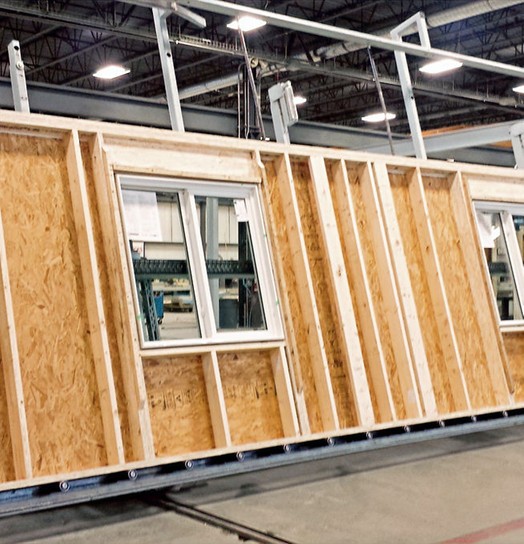
The St. Louis Development Corporation has taken a practical, boots-on-the-ground step toward tackling two long-standing problems at once: vacant land and the lack of attainable housing in North City. With board approval now in place, a small but important modular housing project is moving forward in The Ville, a neighborhood that has seen far too many empty lots linger for far too long.
Ten new homes are planned for Aldine Avenue, built on parcels that have been sitting idle for years. The funding—$3.2 million from American Rescue Plan Act dollars—isn’t flashy, and that’s a good thing. This isn’t about architectural statements or experimental housing concepts. It’s about putting well-built, permanent homes back where homes once stood.
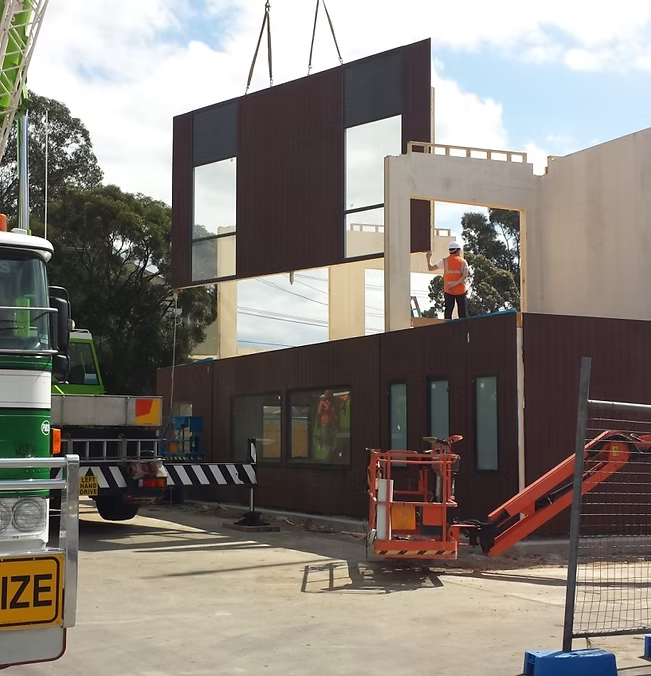
Why Panelized-Modular Makes Sense Here
The homes will be produced by Module Building Systems, a locally based offsite construction company that manufactures housing components in a factory environment before assembling them on site. That distinction matters. Modular construction isn’t about shortcuts—it’s about control. Weather delays are reduced, quality is more consistent, and construction schedules are far more predictable than traditional site-built methods.
For a city trying to stretch public dollars while delivering real results, modular construction is a logical fit. It allows the developer and the city to focus less on fighting delays and more on delivering finished homes that meet code, meet expectations, and meet the needs of future residents.
More Than Just Ten Houses
While ten homes won’t solve St. Louis’s housing challenges on their own, projects like this are often about momentum as much as math. Replacing vacant lots with occupied homes changes how a block feels, how it’s maintained, and how neighbors invest emotionally and financially in their surroundings. Residents have already pointed out that empty lots attract dumping and neglect; occupied homes tend to do the opposite.
There’s also a longer-term economic angle. Module Building Systems plans to relocate its headquarters into the city, bringing jobs along with it. That kind of move ties housing development to local employment, reinforcing the idea that offsite construction can be both a housing solution and an economic development tool.
Listening Before Building
SLDC has indicated that community engagement will be part of the process, with town halls planned so residents can ask questions and offer input before construction begins in earnest. That step is often overlooked, but it’s critical—especially in neighborhoods that have seen too many plans announced and too few delivered.
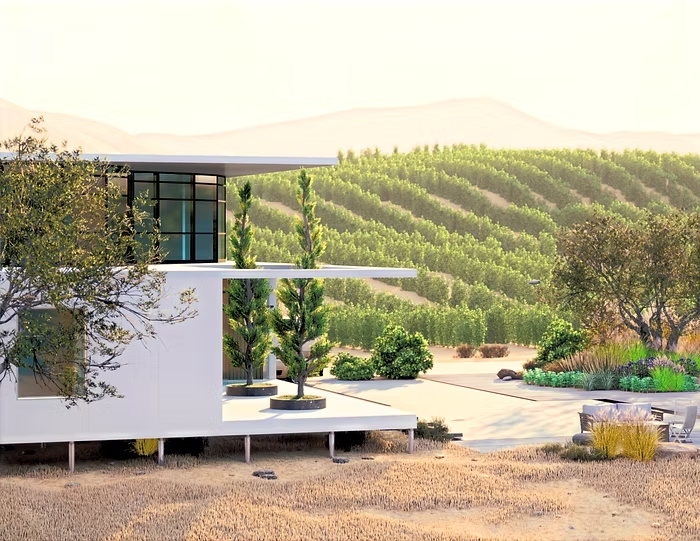
The city expects the homes to be completed by the end of 2026. That may feel far away to some, but in the world of urban infill and public-private development, it’s a reasonable timeline—especially for a project designed to be done right rather than rushed.
This isn’t a silver bullet, and it’s not being pitched as one. What it is, however, is a realistic example of how modular construction can quietly do what it does best: take empty ground, apply discipline and repetition, and turn it back into places where people live.
Click Here to read the entire First Alert 4 article
.
With more than 10,000 published articles on modular and offsite construction, Gary Fleisher remains one of the most trusted voices in the industry.
.
CLICK HERE to read the latest edition

Contact Gary Fleisher