






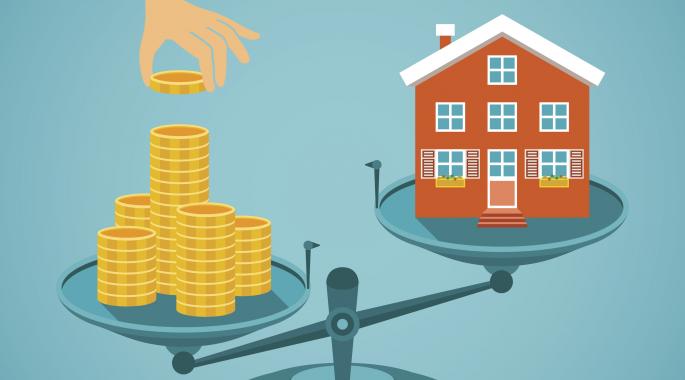
The world needs affordable housing—everyone, from government officials to private sector leaders, agrees on this point. Yet, despite the urgency, real solutions feel frustratingly out of reach. So, what’s holding us back? Let’s break it down into 12 key obstacles that are stalling progress.
.
1. Zoning and Land Use Restrictions
One of the biggest hurdles is zoning laws that often dictate what can and cannot be built. Many communities still have restrictive zoning policies that favor single-family homes over higher-density, multi-family housing. These laws might have made sense decades ago, but today they stand in the way of affordable solutions. Changing them is a slow and politically charged process, but it’s a critical step forward.
2. The Cost of Land
It’s no secret that land prices in urban areas have soared. The high cost of land makes it nearly impossible to build affordable housing in the places where it’s needed most. Developers are forced to look farther out, leading to longer commutes and less accessible housing.
3. Labor Shortages
Here’s a paradox: there’s a housing shortage, but also a shortage of workers to build the homes we need. Skilled labor in the construction industry is in critically short supply, driving up wages and delaying projects. The problem has only worsened as fewer young people pursue construction trades.

.
4. NIMBYism: Not In My Backyard
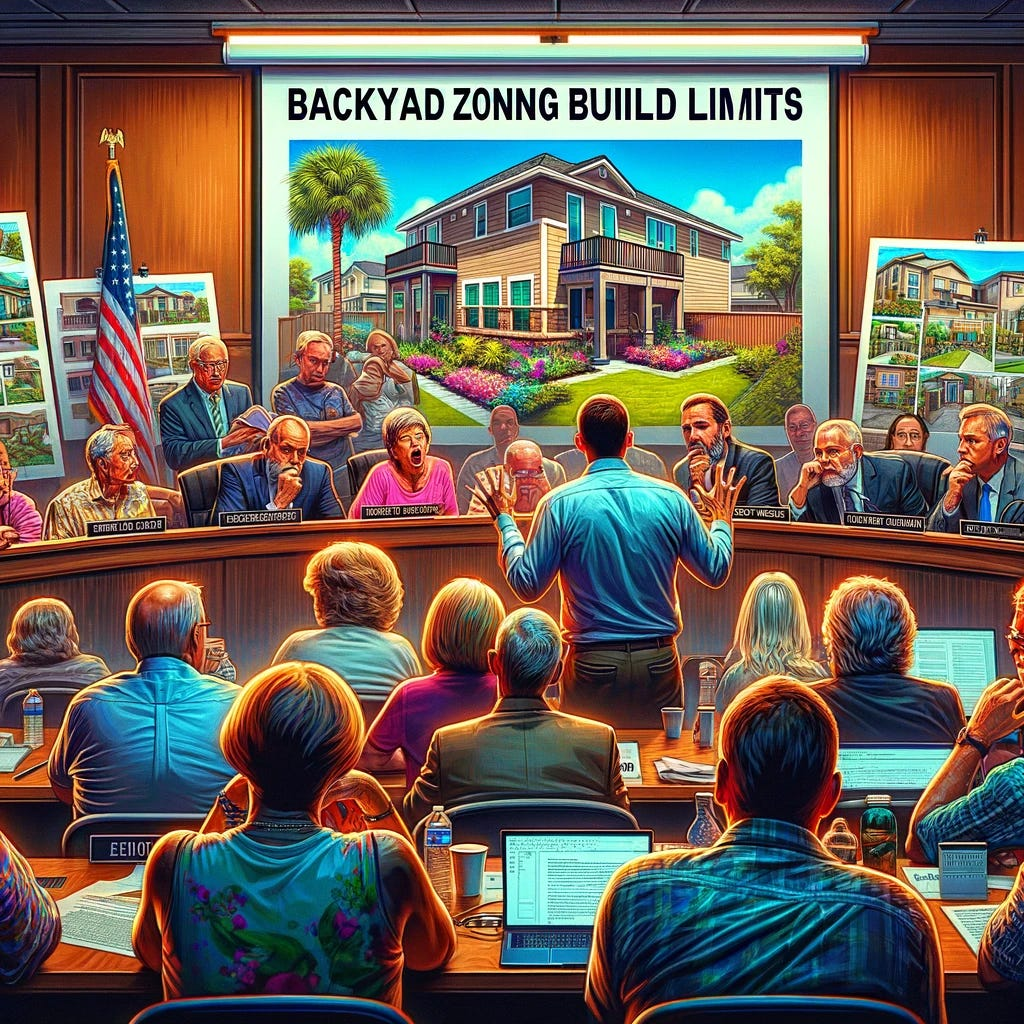
Even when affordable housing projects are proposed, they often face fierce local opposition. People worry about property values, traffic, and neighborhood aesthetics. This “Not In My Backyard” mentality can delay or completely block much-needed projects.

5. High Construction Costs
The rising cost of materials—lumber, concrete, steel—makes building homes more expensive. Add inflation and supply chain disruptions to the mix, and developers struggle to keep projects within budget, let alone affordable.
6. Government Funding Gaps
Affordable housing often relies on subsidies or incentives to make projects viable. Unfortunately, these programs are underfunded or poorly managed. Without sufficient government support, developers are left with financial gaps too wide to bridge.
.
7. Regulatory Red Tape
Ask any developer about regulatory hurdles, and you’ll likely hear a groan. Permitting processes can take months, sometimes years, adding time and cost to projects. Streamlining these processes could make a huge difference, but progress has been slow.
8. Lack of Private Investment
Affordable housing isn’t seen as the most profitable venture, so private investors tend to shy away. Luxury apartments or high-end condos promise bigger returns, leaving affordable projects struggling to find the funding they need.
9. Widening Economic Inequality
Even homes labeled “affordable” are often out of reach for many people. Stagnant wages and rising living costs have widened the gap between what people earn and what they can afford to spend on housing. This fundamental economic imbalance fuels the crisis.
10. Fragmented Policies
When federal, state, and local governments don’t work in sync, progress slows. Each level of government often has its own priorities and policies, creating a disjointed approach to solving the affordable housing crisis.
11. Land Banking and Speculation
In some cases, the problem isn’t a lack of land—it’s land being held by developers or investors, waiting for prices to rise. This speculative behavior locks up land that could otherwise be used for housing.
12. Resistance to Innovation
Modular construction, prefab homes, and 3D-printed housing offer fast and cost-effective solutions, yet they remain underutilized. The construction industry is notoriously slow to adopt new methods, often sticking to traditional, time-consuming practices.
Modcoach Note
While the obstacles are significant, they’re not insurmountable. Tackling the affordable housing crisis will require a mix of bold policy changes, innovative construction methods, and community buy-in. Every stakeholder—governments, developers, and citizens—has a role to play in breaking down these barriers.
The question isn’t whether affordable housing can be achieved; it’s whether we’re willing to make the tough decisions and investments needed to get there. Let’s hope that someday soon, the rhetoric turns into action—and more people find a place to call home.
Gary Fleisher, The Modcoach, writes about the modular and offsite construction industry at Modular Home Source.
.

CLICK HERE to read the latest edition

Contact Gary Fleisher