

For decades, modular construction carried baggage it never deserved. Too many consumers heard the words “factory-built” and immediately pictured mobile homes or cheaply built boxes sitting beside a highway. Over the years, however, I’ve watched that perception slowly begin to change, and buyers are starting to look at modular construction very differently.
What fascinates me is that many of these buyers are not choosing modular homes simply because they want to save money. More and more, I believe they are choosing modular because it solves some of the biggest frustrations people experience with traditional site-built construction.
Speed Has Become a Major Selling Point
One of the first things I hear buyers talk about is speed. Traditional site-built homes can drag on for months longer than expected because of weather delays, subcontractor issues, inspections, or labor shortages. Meanwhile, modular homes are being built inside a factory while the foundation and site work are happening at the same time.
That overlap can shorten the timeline dramatically. I think buyers who are relocating, retiring, downsizing, or trying to lock in financing are becoming increasingly attracted to the idea of getting into their new home faster.
Quite honestly, many people are simply tired of hearing the phrase, “It’ll be another month.”
Buyers Are Beginning to Trust Factory Quality
Years ago, people often assumed homes built in factories were somehow lower quality. Ironically, I now hear many buyers saying the exact opposite.
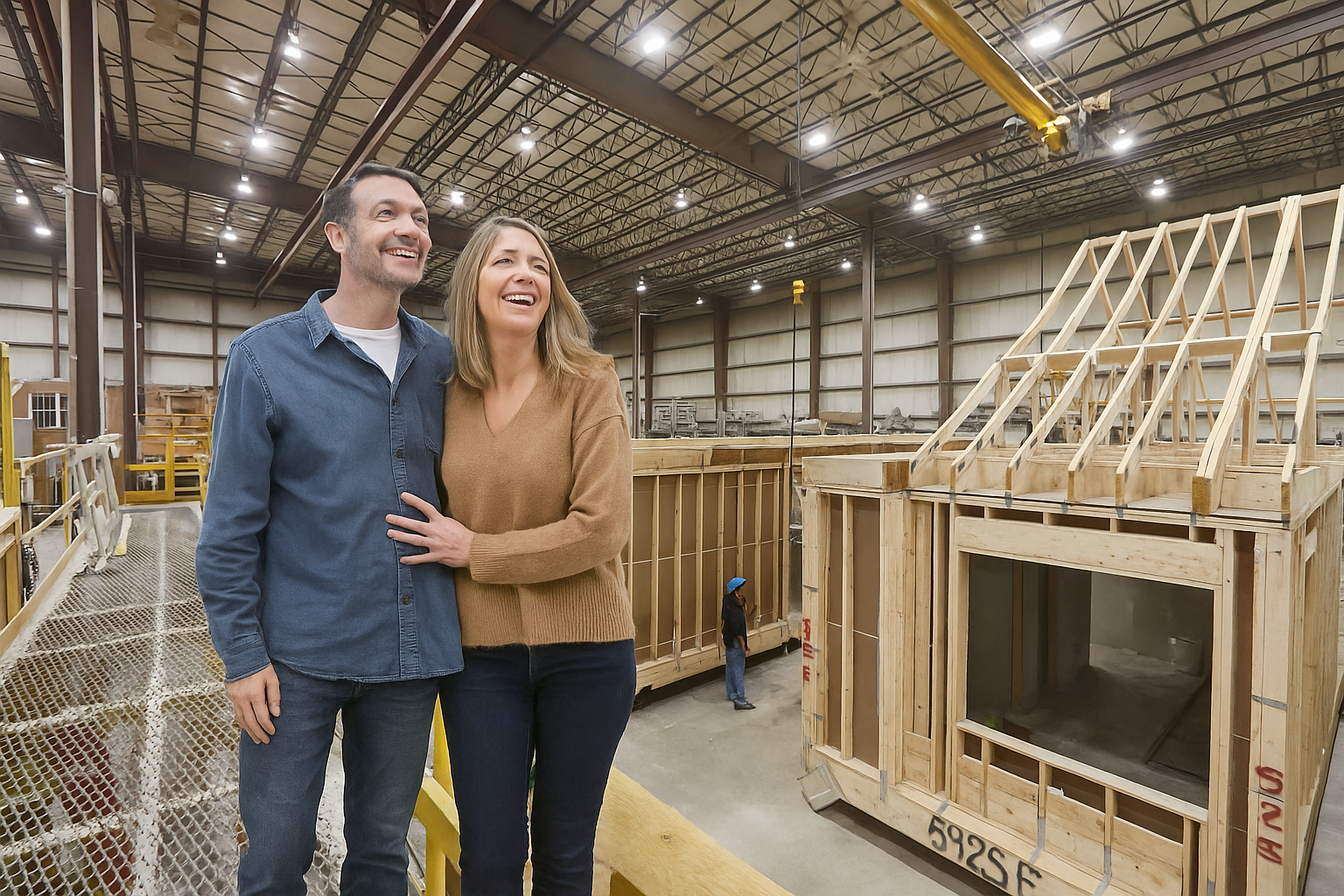
Inside a modular factory, materials stay dry, crews specialize in repetitive tasks, and inspections happen throughout the process. Buyers who have watched traditional homes sit exposed to rain and snow for weeks are beginning to appreciate the advantages of climate-controlled construction.
I’m not saying every modular home is automatically better than every site-built home. I am saying that buyers increasingly see factory construction as more organized and more consistent.
Predictability Gives Buyers Peace of Mind
Building a home is stressful enough without surprise costs and endless delays. Traditional construction has become increasingly unpredictable due to labor shortages, material increases, and subcontractor scheduling problems.
What I think many buyers appreciate about modular construction is the sense of structure. Even when delays happen, the process itself often feels more controlled and transparent. Buyers like knowing there is a production schedule, a factory process, and a timeline that at least appears more organized than the chaos they sometimes hear about with site construction.
For many families, reducing stress matters almost as much as reducing cost.
Labor Shortages Are Changing the Conversation
Across much of the country, skilled labor shortages are affecting residential construction. I hear stories constantly about buyers waiting months just for a builder to break ground.
Modular construction helps address part of that issue by centralizing labor inside a factory. Production crews work year-round in a controlled environment rather than moving from site to site. Buyers may not understand all the operational details behind that system, but they certainly understand the promise of a faster and more dependable timeline.
That message resonates strongly in today’s housing market.
Energy Efficiency Is Becoming a Bigger Factor
Today’s buyers are paying closer attention to utility bills and long-term operating costs than buyers did twenty years ago. Energy efficiency has become part of almost every home-buying conversation.
Many modular factories now specialize in tighter construction tolerances, advanced insulation systems, and high-performance HVAC packages. Buyers interested in lower monthly utility costs often see modular construction as a smart long-term investment.
As utility prices continue to rise, I believe this advantage will only become more important.
The Homes Don’t Look “Modular” Anymore
One of the biggest misconceptions I still run into is the belief that modular homes all look alike or resemble manufactured housing. The reality is completely different.
Today’s modular homes include ranches, Cape Cods, contemporary designs, luxury custom homes, multifamily projects, and some incredibly beautiful high-end residences. In many cases, buyers drive past modular homes every day and never realize how they were built.
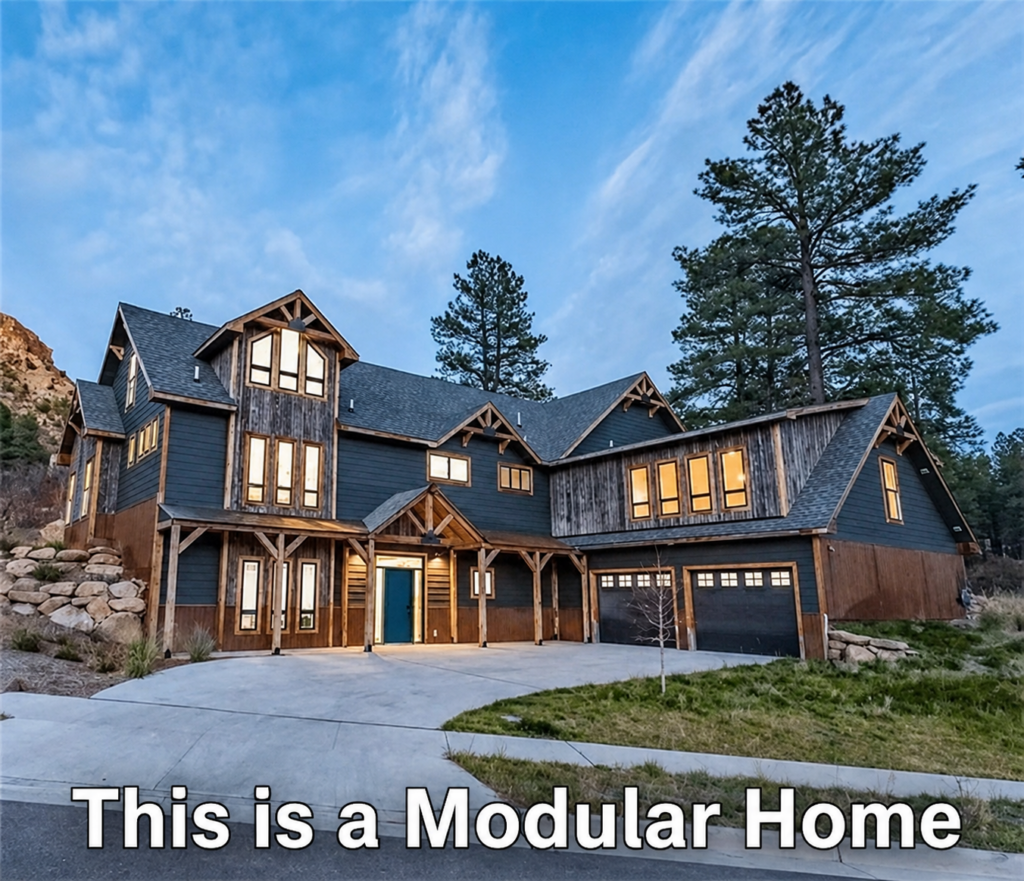
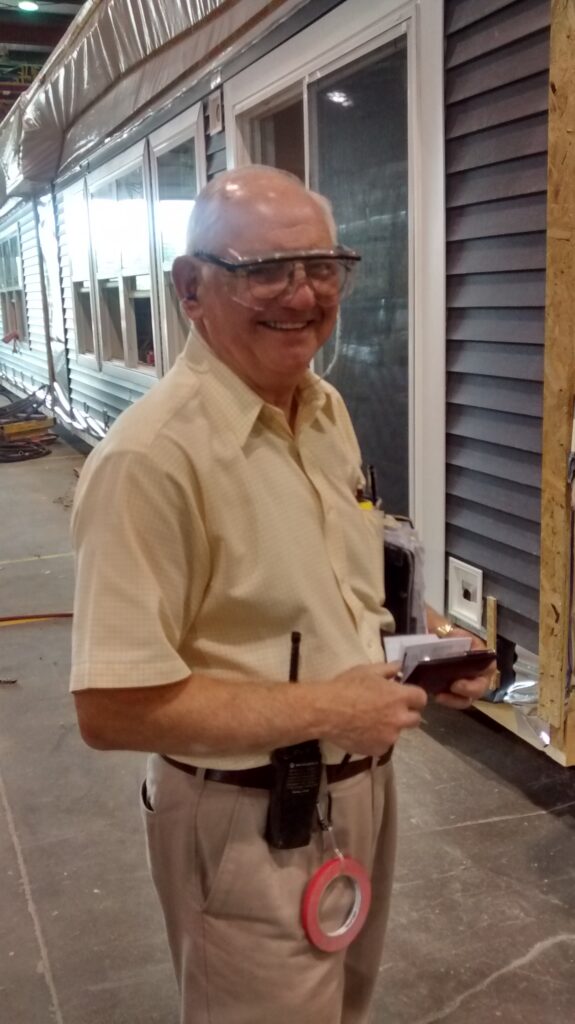
That’s one reason I started posting my “This is a Modular Home” picture series on LinkedIn. I wanted people to stop associating modular homes with outdated stereotypes and start seeing the homes themselves. Frankly, I think the modular industry should have been doing much more of this type of public education years ago.
Younger Buyers See Modular as Modern
I also think younger buyers are helping push modular construction forward. Many of them view factory-built housing as innovative rather than unusual.
When they hear about automation, robotics, digital design systems, precision manufacturing, and advanced production techniques, modular construction feels modern to them. They are less emotionally attached to traditional jobsite construction and more interested in efficiency, technology, and reliability.
To many younger buyers, modular simply feels like the future.
Housing Shortages Are Creating Opportunity
Housing shortages continue to push buyers to consider alternatives they may not have explored ten years ago. Affordable housing and workforce housing remain difficult to deliver quickly through conventional construction alone.
Modular construction offers a way to potentially build homes faster, reduce waste, and improve consistency. Buyers who cannot find existing inventory within their budget are becoming more willing to consider factory-built housing if it helps them finally become homeowners.
That openness is helping modular gain acceptance in places where it once struggled.
Modcoach Observation

One of the most interesting things I’m seeing right now is that consumers often appear more ready to embrace modular construction than parts of the construction industry itself. Buyers care less and less about where a home is built and more about whether it is attractive, energy efficient, durable, and delivered on time.
Meanwhile, portions of the industry still seem hesitant to proudly explain what modular construction really is.
That’s exactly why I continue posting photos online with the caption, “This is a Modular Home.” Every time people see one of those pictures, another small piece of the old stereotype disappears. Eventually, I believe buyers may stop asking whether a home was built in a factory and start asking why more homes aren’t built that way.