

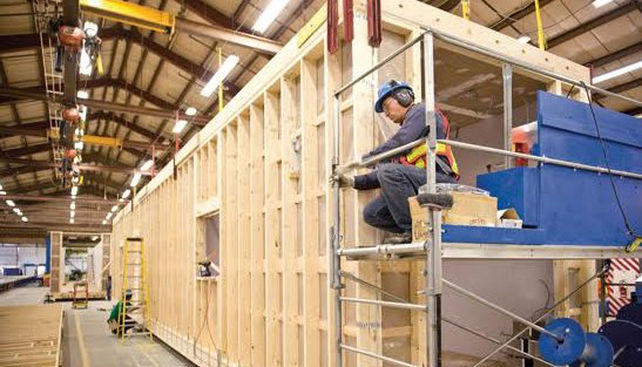
For a while there, it seemed like off-site construction was running on rocket fuel. Factories were hiring like crazy, crews were jumping ship for a couple bucks more an hour, and the “Great Resignation” was hitting our industry as hard as any. But here we are in mid-2025, and the tide has shifted. People are staying put. Job boards are quieter. And factory managers aren’t chasing down forklift operators with signing bonuses anymore.

Welcome to the “Great Stay” — the post-pandemic slowdown that’s quietly reshaping off-site construction labor across the country.
Quitting Has Slowed Way Down
Talk to enough general managers and plant supervisors and you’ll hear the same thing: “We’re not seeing nearly as much turnover.” That might sound like good news, and in some ways it is. But it’s also a sign that the labor market in off-site construction has cooled — not collapsed, just cooled.
Factories aren’t expanding headcounts like they were two years ago. Projects are still rolling out, but tighter financing and slower approvals are making some builders cautious. That means fewer job openings — and fewer people willing to risk leaving the job they have.
Why It’s Happening
There are a few reasons off-site workers — from the truss table to the design desk — are quitting less frequently now.
Fewer New Opportunities
The boom days of “We’ll train you tomorrow if you show up today” are mostly over. Rising interest rates, supply chain hangovers, and uncertainty in commercial real estate have put a chill on new factory launches and expansions. Sure, healthcare and infrastructure are still strong, and affordable housing projects keep some lines humming — but we’re not in the rapid-growth mode we saw from 2021 to 2023.
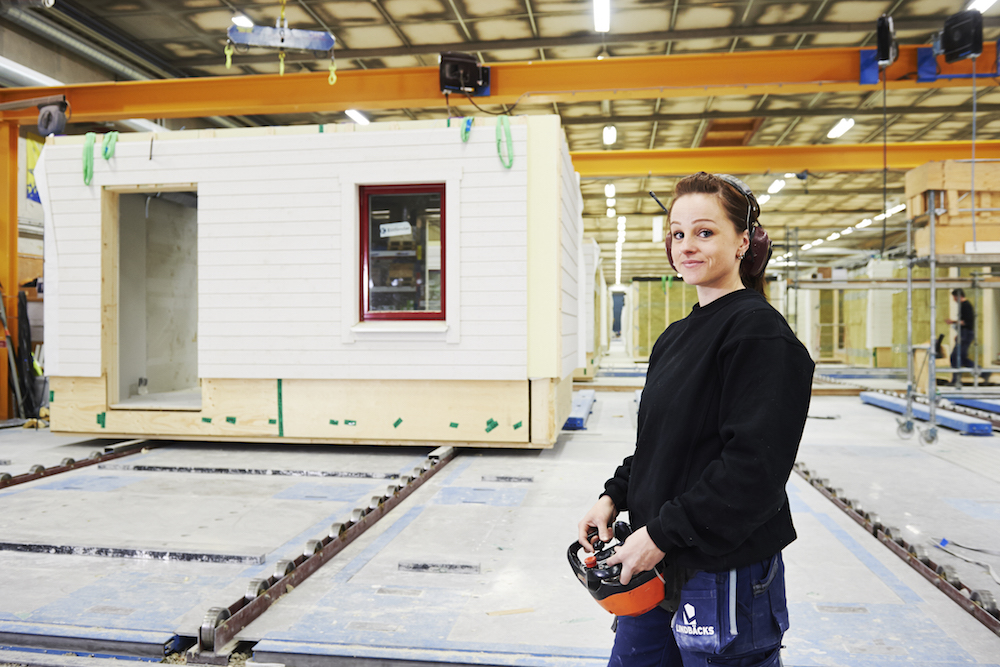
As hiring slows, workers see fewer open doors and think twice about walking out of one.
The Pay Gap Has Shrunk
Back during the peak of the talent war, switching jobs could mean a 10–15% pay bump. Now? Not so much. Raises have leveled out across the industry. In fact, some factory owners are quietly offering loyalty raises and bonuses to long-timers — something unheard of a few years ago — just to reward the folks who stuck around.
Suddenly, staying in your current job might be better for your wallet than rolling the dice elsewhere.
People Are Playing It Safe
The biggest reason for the slowdown in quitting may be the simplest: folks are nervous. Workers saw what happened when overhyped factories went bust. They’ve seen the headlines — a startup closes here, a prefab plant in bankruptcy there. They remember the sudden layoffs when financing dried up. Stability matters more now. And that’s making even restless workers think, “Maybe I’ll hang on a little longer.”
The Impact on Off-Site Factories
This shift has created a strange calm in the factory world. Owners aren’t as desperate to fill roles. Workers aren’t jumping ship. It’s stable — but not necessarily growing.
For the factories that managed to survive the last few years and keep their crews intact, this is a breather. It’s a time to double down on training, improve workflow, and fine-tune the systems. But for new entrants trying to scale fast or struggling operations trying to recover, the lack of worker movement can be a real challenge. If you need fresh talent, it’s not just about pay anymore. You’ve got to offer security, purpose, and a plan.
Winners and Losers in the “Stay” Economy
Winners: Skilled, long-tenured workers — framers, finishers, CAD technicians — are getting more recognition and fewer disruptions. Factories are realizing their value and investing in retention.
Losers: Job seekers new to the industry. With fewer openings and less turnover, it’s harder to break in. Entry-level roles are competitive again, and unless factories build solid training pipelines, we could see a slowdown in bringing in the next generation.
Middle Managers: Many GMs and production leads are finally catching their breath — but some are worried. If business doesn’t pick back up or if interest rates stay high, these folks know the next step could be hiring freezes or worse.
What Factory Owners Should Be Thinking About
If you’re running an off-site operation right now, you need to look past the surface calm. The Great Stay gives you a moment of workforce stability, but it won’t last forever. Workers may not be quitting today, but that doesn’t mean they’re satisfied. If you aren’t communicating your future vision, rewarding commitment, and making room for internal growth, you’re sitting on a quiet powder keg.
Use this time to:
- Upgrade your people, not just your processes.
- Train the next lead before the current one leaves.
- Build loyalty with purpose, not just pay.
And if you’re thinking about expansion — or launching something new — be aware that workers are cautious. They’ve seen the shiny new factories fold. So before you recruit with hype, make sure you’ve got a plan they can believe in.
Modcoach Thoughts
The Great Stay isn’t just about numbers — it’s about psychology. Off-site construction workers want stability. Factory owners want predictability. And for the first time in a long time, both sides are getting it — sort of.
But don’t mistake quiet for permanent. Change is always one interest-rate shift, one new code update, or one high-profile factory closure away.
Talk to your people. Train them. Keep them informed. Because when the labor market swings again — and it will — the factories that kept their workers engaged during the slowdown will be the ones that bounce back first.
.
Gary Fleisher, The Modcoach, writes about the modular and offsite construction industry at Modular Home Source.
.

CLICK HERE to read the latest edition

Contact Gary Fleisher