




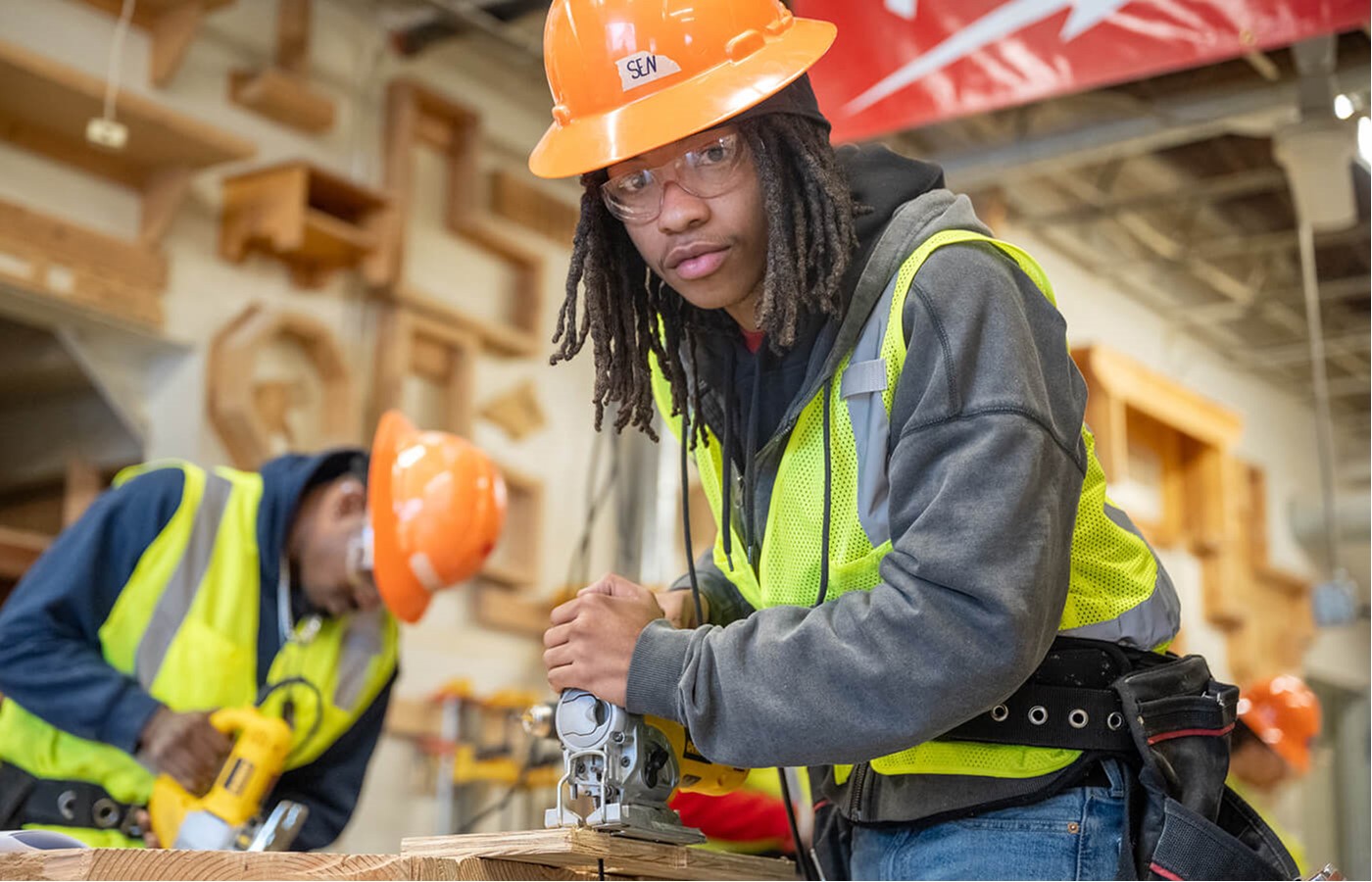
In offsite construction, the ability to train a skilled workforce is not just a competitive advantage—it’s a necessity. As factories ramp up production to meet the increasing demand for modular buildings, prefab homes, and innovative construction techniques, the spotlight is firmly on workforce training programs.
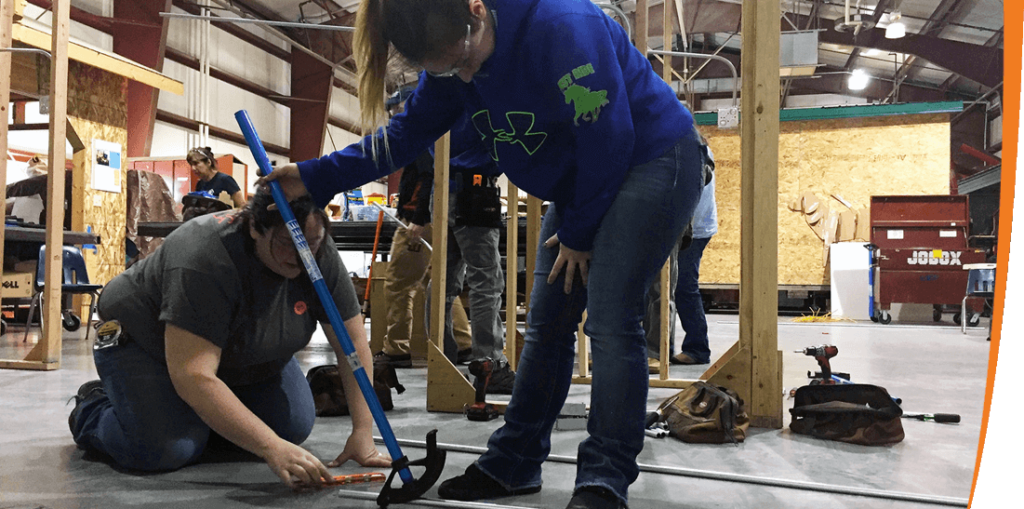
photo – Alaska Works Partnership
While the United States has made strides in workforce development for the construction sector, comparing its efforts to those in other countries reveals opportunities to improve and adapt strategies to meet the unique needs of offsite construction.
The Current State of Workforce Training for Offsite Construction in North America.
The U.S. offsite construction industry operates within a decentralized workforce training system, making it challenging to establish consistent standards. Programs such as those offered by community colleges, technical schools, and industry-specific organizations provide valuable training in areas like CNC operation, panel assembly, and modular design. Additionally, initiatives under the Workforce Innovation and Opportunity Act (WIOA) support vocational training for broader construction roles, some of which apply to offsite methods.
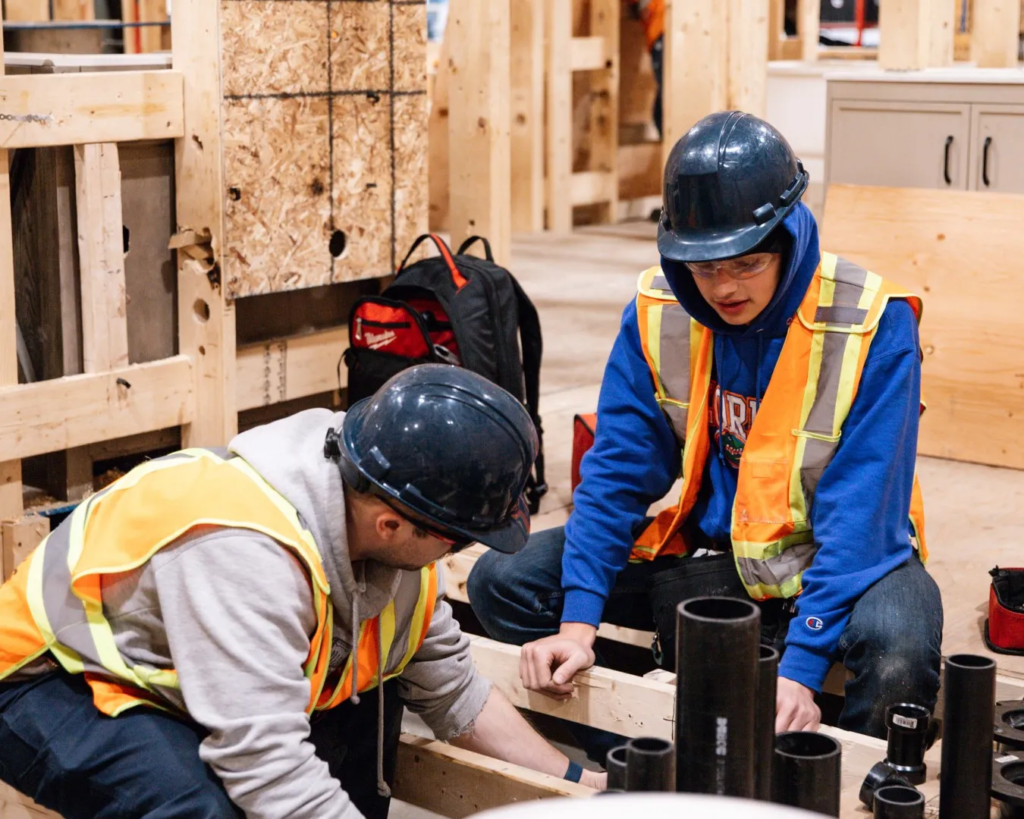
photo – Skilled Trades College
Private companies in the sector also contribute through in-house training programs. Modular factories such as VBC Modular and Impresa Modular have invested in onboarding new workers and upskilling their teams. However, these efforts often remain factory or franchisee-specific, with little coordination across the industry.
Barriers such as high costs, limited geographic availability, and insufficient marketing of training programs further complicate workforce development. Many offsite factories struggle to find workers who are both skilled in construction principles and adept with the technology-driven processes unique to offsite methods, such as BIM integration and automation.
Global Models for Workforce Training in Offsite Construction
Other countries have embraced more systematic approaches to workforce training, often achieving greater success in preparing their labor forces for offsite construction. Here’s how they do it:
Germany: Apprenticeships Tailored for Prefab
Germany’s dual education system combines classroom learning with hands-on apprenticeships, making it an ideal model for the offsite construction industry. German companies like SchwörerHaus and WeberHaus collaborate closely with vocational schools to design training programs tailored to prefab construction techniques.
Apprentices learn specific skills such as precision assembly, CNC machining, and advanced materials handling. This structured approach ensures that trainees not only understand the technical requirements of their roles but also develop a broader understanding of factory workflows and quality control standards.
Japan: Mastering Precision Through Continuous Learning
Japan’s commitment to continuous improvement extends to its offsite construction industry. Companies like Sekisui House and Misawa Homes have in-house training programs that emphasize kaizen principles—constant refinement of processes and skills.
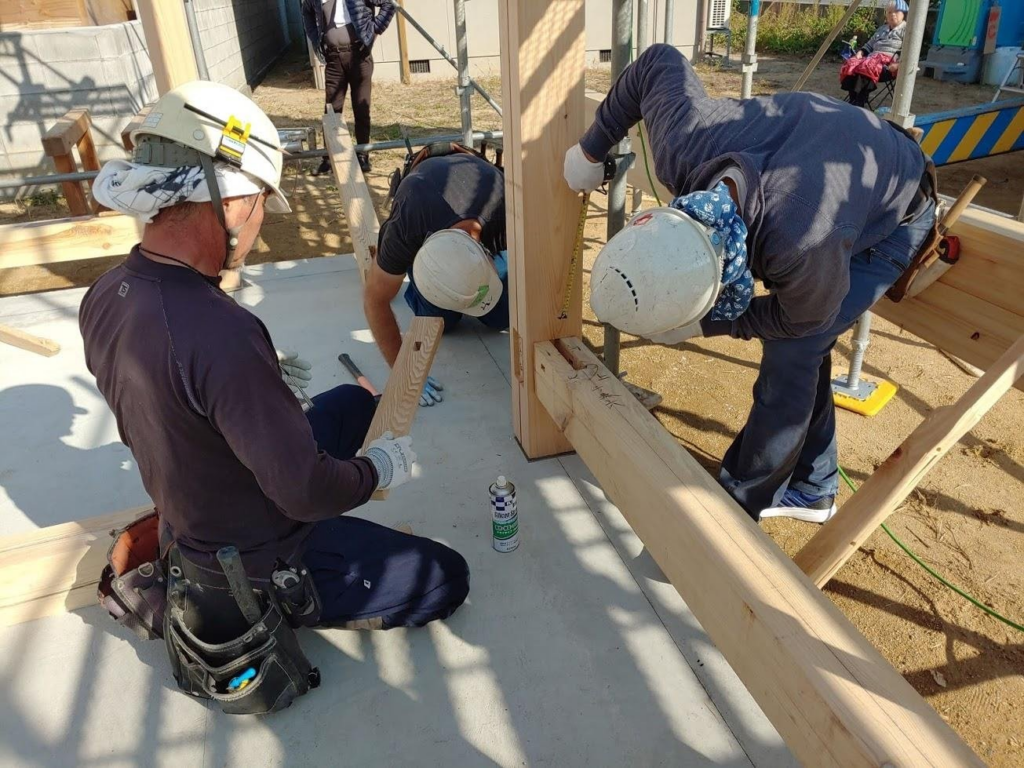
Workers in Japan are cross-trained in multiple roles, allowing them to adapt to different production line requirements. Government support further bolsters these programs, offering subsidies for small and medium-sized offsite construction companies to upskill their employees in emerging technologies like robotics and advanced automation.

Switzerland: Precision and Specialization
Switzerland excels in creating specialized training pathways for industries like offsite construction. With over 230 apprenticeship options, including those focused on modular and prefab systems, Swiss vocational programs are highly aligned with industry needs.
Companies in Switzerland partner with educational institutions to co-develop curricula, ensuring that training programs evolve alongside technological advancements in offsite manufacturing. Graduates often enter the workforce with both theoretical knowledge and practical skills in areas like panelized systems, sustainability-focused construction, and digital project management.
Singapore: Future-Proofing the Workforce
Singapore’s SkillsFuture initiative exemplifies how governments can drive workforce training for industries like offsite construction. Workers are provided credits to pursue certifications in fields such as construction robotics, sustainable building practices, and digital construction management.
The government collaborates with offsite manufacturers to forecast future skills requirements, ensuring that training programs are relevant and forward-looking. This proactive approach positions Singapore as a leader in modular construction innovation, particularly in high-density urban environments.
Nordic Countries: Equality in Training Access
Nordic countries like Sweden, Denmark, and Finland emphasize accessible and equitable training programs for industries including offsite construction. These programs are funded by the government and focus on lifelong learning, enabling workers to transition between different roles as market needs evolve.
For offsite construction, this means a workforce that can seamlessly adapt to advancements in automation, materials science, and sustainable building practices.
Comparing U.S. and Global Approaches
The U.S. offsite construction industry can draw valuable lessons from these global models. Some key differences include:
Integration of Training and Industry Needs
Countries like Germany and Switzerland integrate workforce training directly with industry demands, ensuring that programs are not only relevant but also widely adopted. In contrast, U.S. training programs often lack this level of alignment, leaving gaps between education and on-the-job requirements.
Emphasis on Long-Term Investment
In Japan and Germany, companies view training as a long-term investment rather than a cost. Apprenticeships and lifelong learning initiatives build a skilled workforce while reducing turnover. U.S. companies often focus on short-term solutions, such as recruiting already-trained workers rather than investing in comprehensive training.
Accessibility and Inclusivity
Singapore and the Nordic countries ensure that training opportunities are widely accessible, regardless of socioeconomic background. In the U.S., high costs and limited regional availability can exclude potential trainees from entering the offsite construction workforce.
Focus on Technology and Sustainability
Global programs often emphasize training in emerging technologies and sustainable practices, equipping workers with future-ready skills. While some U.S. companies are adopting these approaches, they remain the exception rather than the rule.
Lessons for the U.S. Offsite Construction Industry
To compete on the global stage, the U.S. must rethink its approach to workforce training in offsite construction. Here are a few actionable steps:
Expand Public-Private Partnerships
Collaborations between government agencies, educational institutions, and offsite manufacturers can create standardized training programs that address industry-wide needs.
Develop Apprenticeship Programs
Following the German and Swiss models, U.S. companies could introduce robust apprenticeship programs that combine classroom learning with factory-based training.
Leverage Technology for Training
Investing in virtual reality (VR) and augmented reality (AR) training tools could make programs more engaging and accessible. Trainees could learn assembly techniques, safety protocols, and equipment operation in a controlled virtual environment.
Prioritize Accessibility
Expanding funding and outreach for workforce training can ensure that programs reach underserved regions and populations, creating a more diverse talent pool for the offsite construction industry.
Anticipate Future Skill Needs
By working with industry leaders to forecast emerging trends, training programs can stay ahead of the curve, preparing workers for roles in automation, AI-driven construction, and sustainability.
Challenges and Opportunities
Adapting global best practices to the U.S. offsite construction industry is not without challenges. The decentralized nature of workforce development in the U.S. makes it difficult to standardize programs. Additionally, cultural attitudes toward vocational training and the higher education system may resist shifts toward apprenticeship and skill-based certifications.
Despite these hurdles, the potential benefits are enormous. A well-trained workforce would enhance productivity, reduce errors, and increase the adoption of innovative techniques in offsite construction. For an industry poised to revolutionize housing and commercial construction, investing in workforce development is not just a necessity—it’s an opportunity to lead on a global scale.
Gary’s Note
The U.S. offsite construction industry has much to gain by learning from global leaders in workforce training. By adopting a more integrated, accessible, and future-focused approach, the industry can ensure its workforce is prepared to meet the challenges and opportunities of the modern construction landscape. Whether through apprenticeships, government partnerships, or innovative technologies, the path forward lies in equipping workers with the skills they need to build the future.
Gary Fleisher, The Modcoach, writes about the modular and offsite construction industry at Modular Home Source.
.
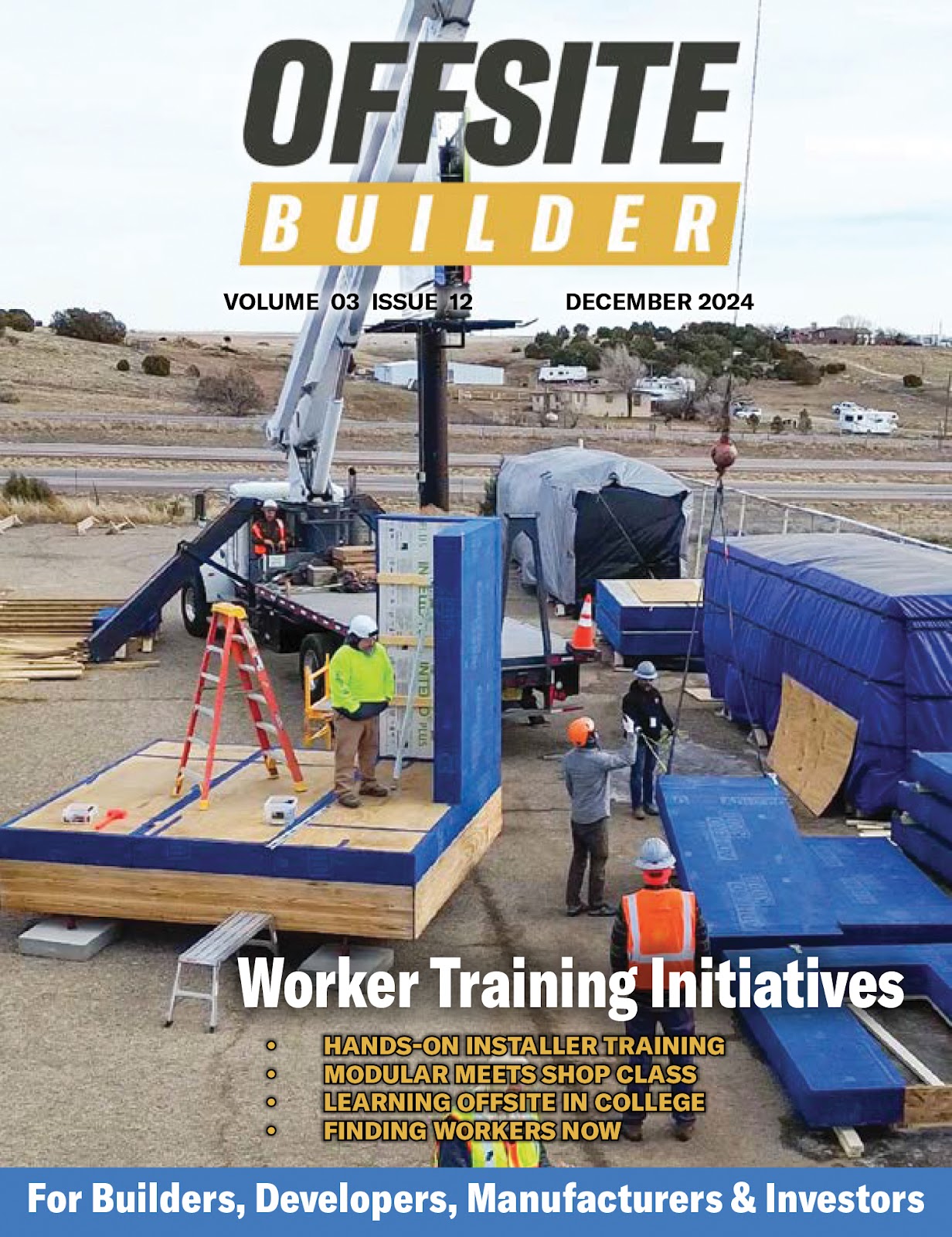
CLICK HERE to read the latest edition

Contact Gary Fleisher