




In the quiet moments of reflection, ideas often spark. For some, it’s a fleeting thought, quickly brushed aside by the demands of daily life. But for others, that spark ignites a fire—a burning desire to solve a problem, to create something new, to make a lasting impact.
.
This is the story of how an idea transforms into a business, of when a dreamer becomes an entrepreneur, and of the characteristics that define those who succeed in bringing their vision to life.
The Birth of an Idea
It often begins simply enough. Perhaps you’re sitting at your kitchen table, scrolling through news stories about the rising cost of housing. You see the statistics, the faces behind the numbers, and the communities struggling to keep up with demand. Then, almost out of nowhere, the idea comes to you: What if homes could be built faster, more efficiently, and at a lower cost—right in a factory?

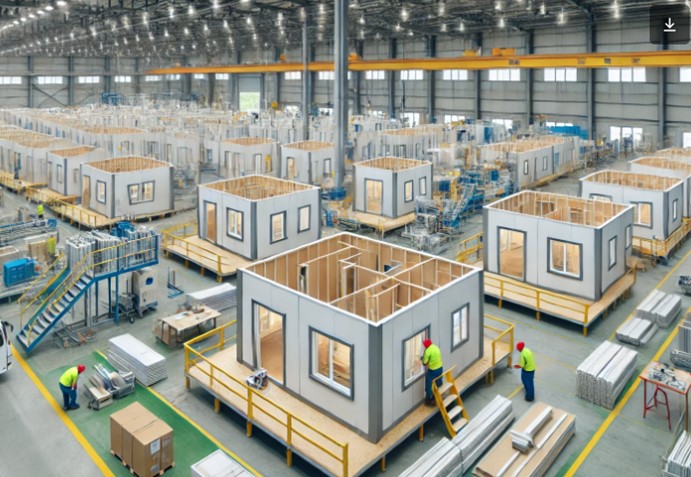
You start thinking about it more seriously. Modular construction, offsite building, prefabrication—these are all buzzwords you’ve heard, but now they take on new meaning. You envision rows of affordable homes, constructed in controlled environments, unaffected by weather delays, and delivered to sites ready to be assembled. It seems like the perfect solution to the affordable housing crisis. But how do you take this idea and turn it into a reality? When does this idea transform you into an entrepreneur?
From Thought to Commitment
The first step is deciding that this idea is worth pursuing. It’s easy to come up with concepts; it’s much harder to commit to them. You start researching, digging into the details of modular construction, studying market trends, and analyzing the potential demand for factory-built affordable housing. You look at success stories and failures, trying to learn from those who have come before you.

At this stage, you’re still in the realm of the idea-generator, but something begins to shift. As you learn more, your excitement grows, and so does your commitment. You start to believe not just in the idea but in your ability to bring it to life. This is where the transition begins. You’re no longer just dreaming—you’re planning. The journey to entrepreneurship has officially started.
Taking the Leap: Resource Mobilization
Becoming an entrepreneur means taking action, and action requires resources. You realize that to build homes in a factory, you’ll need capital, people, and technology. It’s time to start mobilizing.
You begin by securing funding, perhaps from savings, loans, or investors who believe in your vision. You reach out to experts in the field, assembling a team that can help you navigate the complexities of factory-built construction. You research the technology needed, from manufacturing equipment to logistics software, and you start acquiring what you need.


This is where many would-be entrepreneurs falter. It’s one thing to have an idea; it’s another to invest time, money, and resources into making it happen. But you push forward, driven by a vision that’s becoming clearer with each step. You’ve crossed a threshold—no longer just an idea person, you’re now a burgeoning entrepreneur, taking tangible steps to bring your dream to life.
Execution: Where Ideas Meet Reality
With resources in place, it’s time to execute. You establish a legal business entity, draft a business plan, and set your sights on market entry. This is where your idea truly begins to take shape, moving from abstract concept to concrete reality.

The first homes roll off the assembly line, and you face your first real-world challenges. There are setbacks—delays in supply, unexpected costs, regulatory hurdles—but you persevere. Each problem is a puzzle to be solved, and with each solution, you grow more confident. This is the crucible of entrepreneurship, where resilience and adaptability are tested. It’s not enough to have a vision; you must also have the grit to see it through.
You listen closely to customer feedback, learning what works and what doesn’t. You make adjustments, refining your product, improving processes, and finding ways to better meet the needs of those you aim to serve. You’re no longer just building homes; you’re building a business, one that has the potential to make a significant impact.
The Characteristics of a Successful Entrepreneur
As you navigate this journey, certain characteristics begin to emerge—traits that not only define you as an entrepreneur but also set the stage for success.
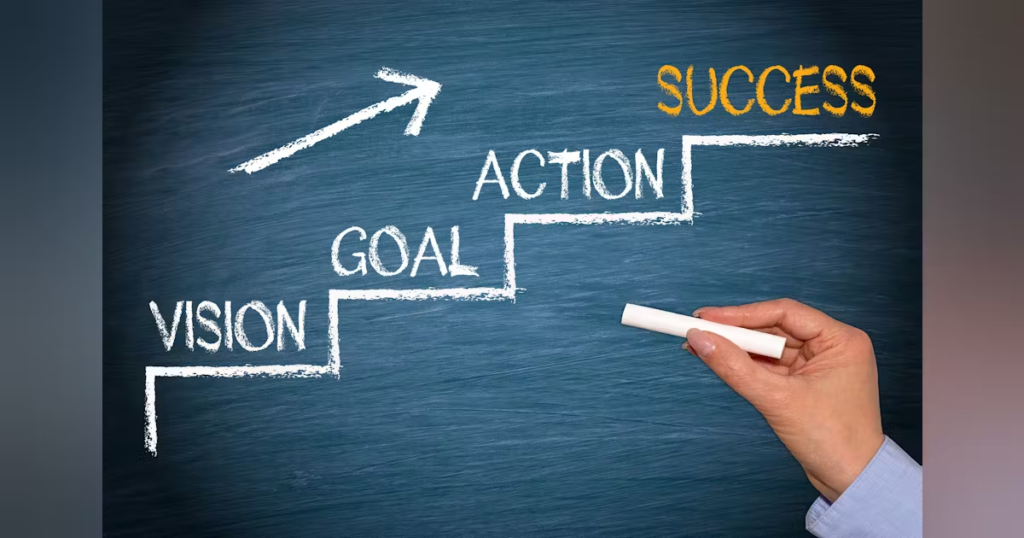
Visionary Thinking is at the core of everything you do. You don’t just see the immediate need for affordable housing; you see the long-term potential of your factory-built solution. You’re always looking ahead, imagining how your business can evolve, how you can scale, and how you can make an even greater impact.
Resilience and Adaptability are your constant companions. The road to entrepreneurship is rarely smooth, and you face setbacks that would have stopped others in their tracks. But you’re determined. Each obstacle is a challenge to overcome, and each pivot is a chance to refine your approach. You learn to embrace change, knowing that adaptability is key to survival and success.
Risk Tolerance becomes second nature. You’ve invested time, money, and resources with no guarantees. You’ve taken calculated risks, and while the outcomes are uncertain, you’re willing to take responsibility for them. You understand that entrepreneurship is about venturing into the unknown, trusting your instincts, and making informed decisions even when the path is unclear.
Execution Skills are what turn your vision into reality. You’re not just a dreamer; you’re a doer. You know how to take plans and turn them into actionable steps, managing projects, allocating resources efficiently, and ensuring that every part of your operation is working towards the same goal.
Networking and Relationship Building become crucial as your business grows. You connect with suppliers, partners, investors, and customers, building a network that supports your vision. These relationships open doors, provide critical support and help you navigate the challenges of entrepreneurship. You understand that success in the construction industry often hinges on who you know as much as what you know.
Customer Focus drives your decisions. You’re deeply attuned to the needs and preferences of your target market, always seeking feedback, understanding pain points, and refining your product to better serve your customers. You know that a successful business isn’t just about what you build but how well it meets the needs of those you build it for.
Innovation and Continuous Learning keep you ahead of the curve. The construction industry is constantly evolving, with new technologies and methods emerging all the time. You’re committed to staying ahead, continuously learning, experimenting, and innovating to improve your processes, reduce costs, and enhance the quality of your homes.
The Entrepreneur’s Journey: A Never-Ending Story
As your business grows, so does your understanding of what it means to be an entrepreneur. It’s not just about having an idea—it’s about taking that idea, nurturing it, and turning it into something real, something that makes a difference. The journey to entrepreneurship is ongoing, filled with challenges and rewards, and defined by the characteristics you cultivate along the way.
In the end, you realize that entrepreneurship isn’t a destination—it’s a journey. It’s about continually pushing the boundaries, challenging yourself, and striving to make a positive impact. And as you look back on how far you’ve come, from that first spark of an idea to where you are now, you can’t help but feel a deep sense of satisfaction. You’ve not only become an entrepreneur—you’ve become a force for change, building not just homes, but a better future for those who need it most.
.

CLICK HERE to read the latest edition

Contact Gary Fleisher