

Every once in a while, a housing proposal comes along that makes you stop, lean back in your chair, and say, “Now this is interesting.” The Urban Starter Homes concept coming out of Greater Grove Hall Main Streets and Payette is one of those ideas.
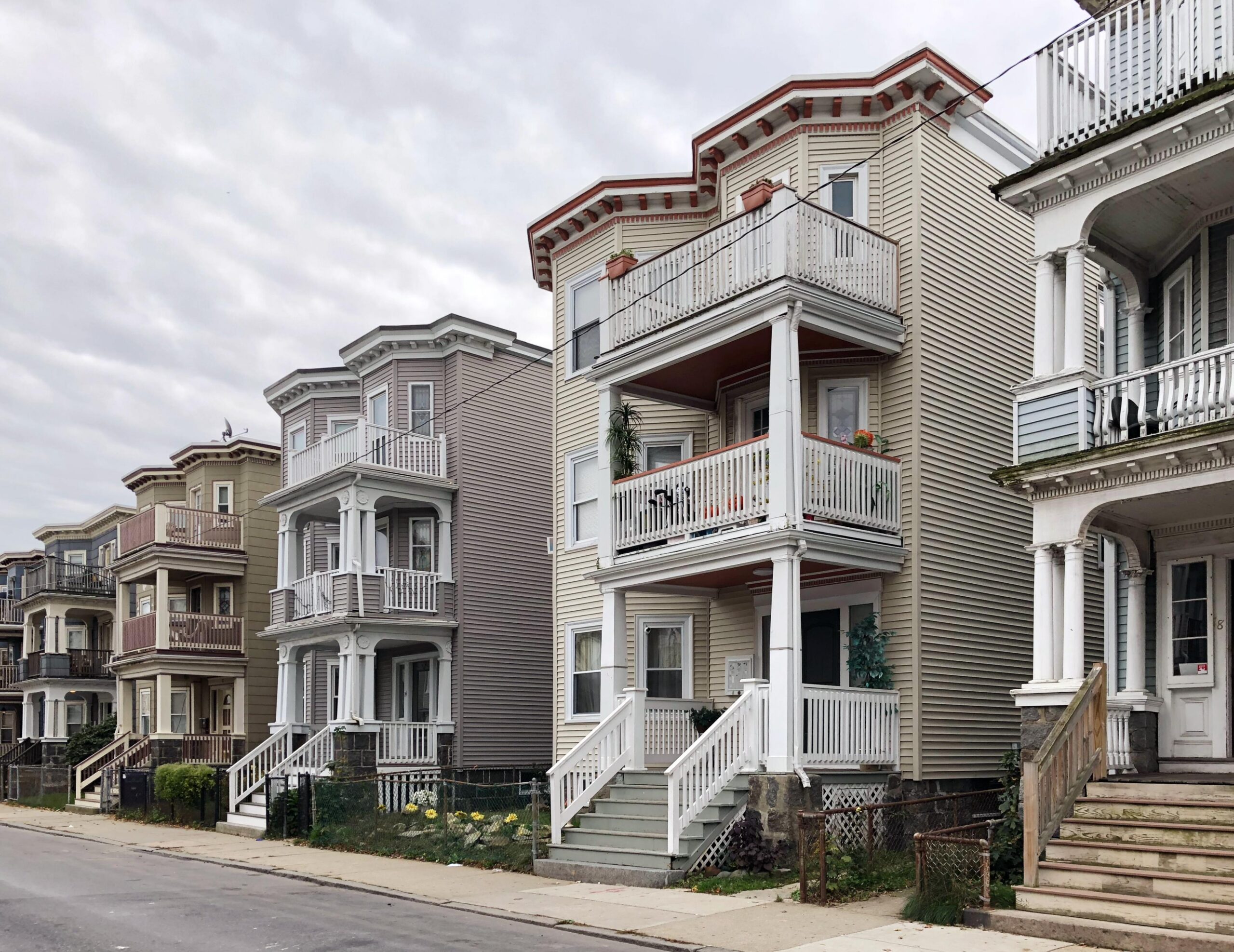
Using Boston’s overlooked “sliver lots” to build ownership-oriented housing based on the classic triple-decker model is, frankly, a clever move. It checks a lot of boxes—density without high-rises, neighborhood compatibility, and the kind of scale that doesn’t scare communities into full NIMBY mode. On paper, it feels like a solution that understands both the housing crisis and the politics surrounding it.
But then you get to the numbers… and that’s where things start to wobble a bit.
When the Cost Story Sounds Too Good
The proposal leans heavily on a familiar claim: modular construction can dramatically reduce housing costs. It cites a comparison of about $166 per square foot for site-built homes versus roughly $87 per square foot for modular or manufactured housing.
That’s a bold statement. Maybe too bold.
Anyone who has spent more than a few months around modular factories knows that those numbers don’t tell the whole story. In fact, they barely tell half of it. The idea that modular construction simply cuts costs in half across the board is one of those industry myths that refuses to die, no matter how many real-world projects contradict it.
Yes, factory-built components can improve efficiency. Yes, weather delays are reduced. Yes, production can be more controlled. But none of that magically erases land costs, site work, foundations, utility connections, transportation, crane setting, finish work, permits, or developer overhead. Those costs don’t just disappear because the walls were built indoors.

Modular Isn’t a Discount Button
There’s also a quiet blending in the proposal between modular and manufactured housing, which tends to muddy the waters. In reality, those are two very different products with very different regulatory frameworks and cost structures.
Modular housing—built to local and state building codes—often comes in competitively priced, but rarely at half the cost of traditional construction once everything is factored in. Manufactured housing, governed by federal HUD code, can hit lower price points, but it’s a different category entirely and not always applicable to urban infill projects like these.
So when a proposal uses a blended number to make a financial argument, it raises a fair question: are we comparing apples to apples, or apples to something that looks good in a spreadsheet?
The Reality of Urban Infill
Now let’s talk about those “sliver lots.” It’s a great phrase, and even better branding. But anyone who has tried to build on tight urban parcels knows they come with their own set of challenges.
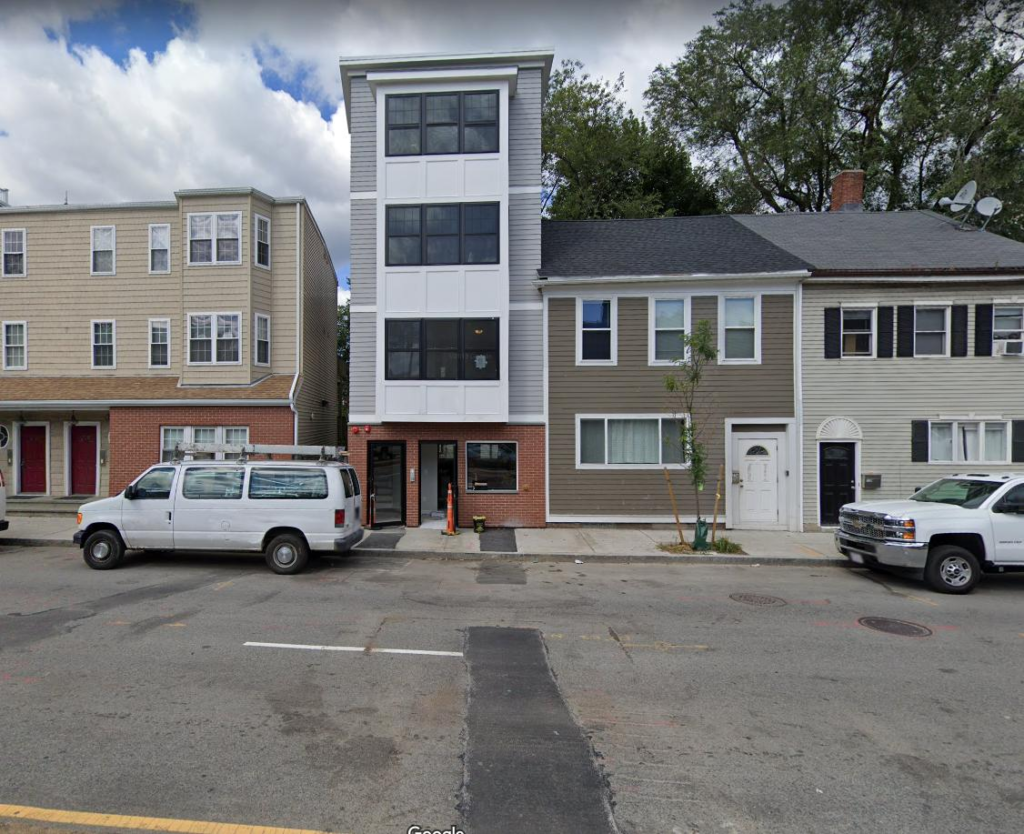
Limited staging areas, difficult access for cranes, constrained deliveries, zoning quirks, neighborhood opposition, and the sheer complexity of threading modules into dense environments can quickly eat into any savings gained in the factory. In some cases, those challenges can actually push costs higher than a straightforward site-built project.
That doesn’t mean the idea is flawed. It just means the execution is a lot tougher than the proposal might suggest.
The Part They Absolutely Got Right
To be fair, the concept itself deserves real credit. Focusing on ownership instead of just rentals is a big deal. Bringing back triple-deckers as a scalable, neighborhood-friendly housing type is smart. And trying to unlock underutilized public land is exactly the kind of thinking cities need more of.
There’s also something refreshing about seeing modular construction included as part of the solution, rather than treated as an afterthought. That alone signals progress.
Where Optimism Meets Experience
The challenge isn’t the vision—it’s the expectation setting.
When proposals lean too heavily on aggressive cost assumptions, they risk disappointing the very communities they’re trying to help. Developers walk away when the numbers don’t pencil out. Cities lose momentum. And the public becomes even more skeptical of “affordable housing solutions” that never quite materialize.
The offsite industry has seen this cycle before. Big promises. Excited headlines. Then reality steps in with a calculator and a long list of line items no one wanted to talk about upfront.
Modcoach Observation

I like this idea. I really do. It’s creative, grounded in real urban conditions, and aimed at ownership instead of endless renting.
But if modular construction is going to be part of the solution—and it absolutely should be—we need to stop treating it like a magic cost-cutting machine. It’s a tool, not a miracle. Used correctly, it can improve speed, quality, and predictability. Used as a marketing headline with unrealistic numbers attached, it risks undermining the entire project before the first module ever leaves the factory.
And that’s the part that makes me wonder if everyone at the table has actually built one of these before.