




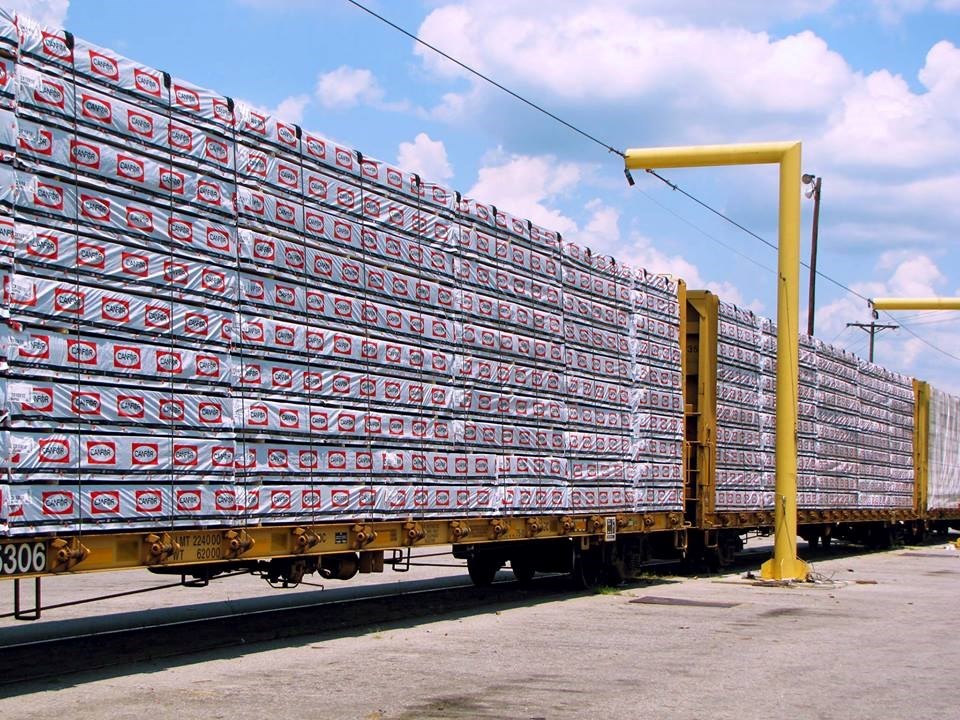
If you thought construction costs were high already, brace yourself. The latest round of tariffs between the U.S., Canada, and Mexico is about to make things a lot worse. On February 1, 2025, President Donald Trump announced a 25% tariff on imports from Canada and Mexico, with an additional 10% slapped on Canadian energy products. While the move is supposedly aimed at addressing immigration and drug trafficking issues, the immediate fallout will hit construction hard—especially when it comes to the cost of building materials.
Expect Soaring Prices on Essential Materials
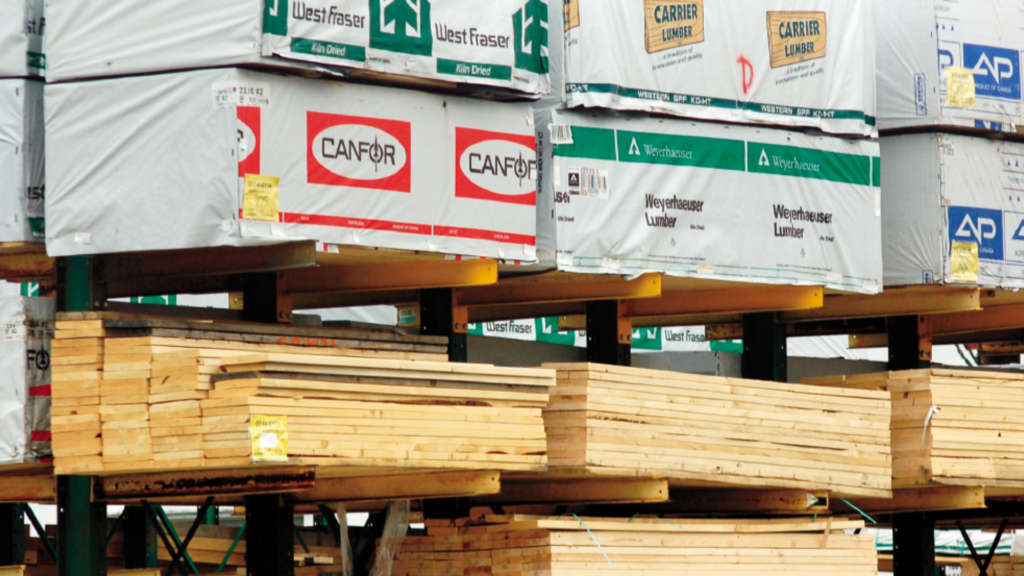
Lumber: The Cost of Building Just Went Up
A huge portion of softwood lumber used in U.S. homes comes from Canada, and now it’s going to cost 25% more. If you’re a builder, developer, or even a prospective homebuyer, get ready for price hikes. This tariff is a direct hit on housing affordability, adding thousands to the cost of new homes at a time when affordability is already a crisis.
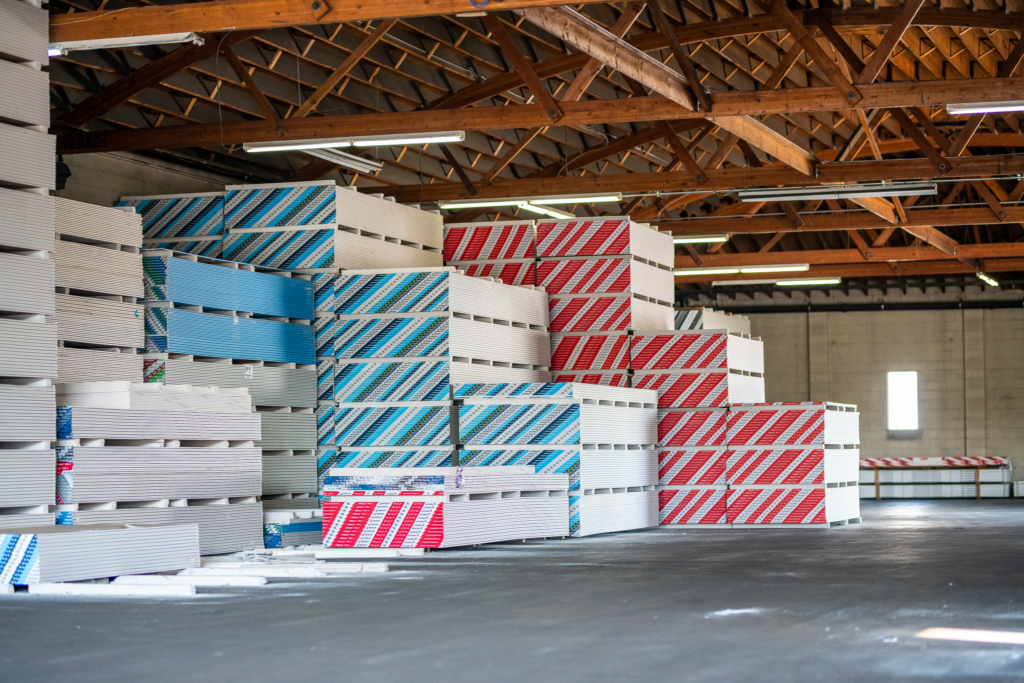
Drywall: A Basic Necessity About to Get Pricier
Think drywall is just a minor cost factor? Think again. Mexico supplies a significant amount of gypsum to the U.S., and with a 25% tariff in place, prices will spike. That means higher costs for residential and commercial construction alike. If you’re a contractor, expect those bids to jump. If you’re a buyer, get ready for inflated home prices.
Steel & Aluminum: Factories and Builders Will Feel the Pain
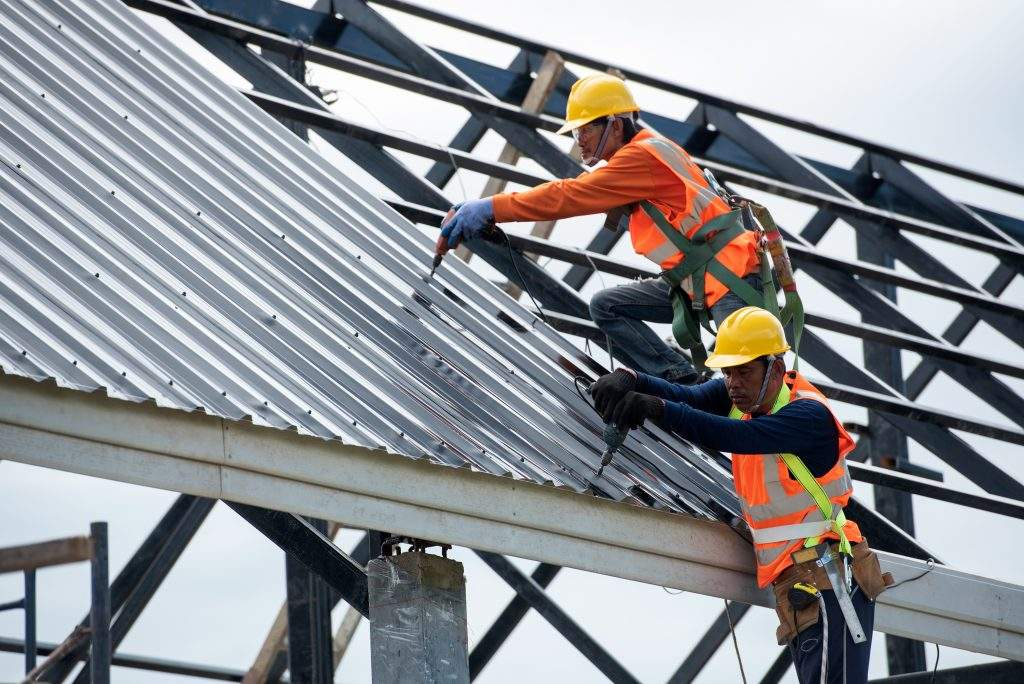
Both Canada and Mexico export tons of steel and aluminum to the U.S. These metals are essential in construction—structural beams, roofing, framing, and countless other applications. With tariffs adding a hefty markup, factories and builders will have no choice but to pass these costs along. Developers will either eat the increased cost or price projects even higher, making commercial construction budgets even tighter.
A Ripple Effect That Hits Everyone
It’s not just contractors and developers feeling the heat. The average American will see these cost increases reflected in everything from home prices to renovation costs. Even landlords may hike rents as construction and repair expenses rise.

Then there’s the supply chain nightmare. With tariffs disrupting imports, expect delays and shortages in critical materials. Projects that were already behind schedule due to labor shortages and supply chain disruptions will now be even harder to complete on time and on budget.
The Housing Affordability Crisis Just Got Worse
At a time when housing affordability is already in free fall, these tariffs are throwing gasoline on the fire. Homebuyers—especially first-time buyers—will find it even harder to break into the market. Modular and offsite construction, often seen as a cost-saving alternative, won’t be spared either since these materials are essential across all forms of building.
Industry Leaders Are Sounding the Alarm
Construction industry groups, including the National Association of Home Builders (NAHB), are already warning that these tariffs will push material costs through the roof and make it harder to meet the country’s housing needs. Many are calling for a reassessment of this trade strategy, arguing that North America’s integrated supply chains can’t handle these kinds of disruptions without serious economic consequences.
What’s Next?
The biggest question now is whether these tariffs will stick. Will Canada and Mexico retaliate with their own trade barriers, further escalating costs? Will developers start sourcing materials from alternative, potentially lower-quality suppliers? Will U.S. policymakers be forced to reconsider as inflation and construction delays take their toll?
What’s certain is that the impact will be immediate and widespread. If you’re in the building industry, now’s the time to brace for impact, rework budgets, and consider alternative sourcing strategies. If you’re a homebuyer, you may want to lock in deals sooner rather than later.
One thing’s for sure: construction just got a lot more expensive.
Gary Fleisher, The Modcoach, writes about the modular and offsite construction industry at Modular Home Source.
.

CLICK HERE to read the latest edition

Contact Gary Fleisher