





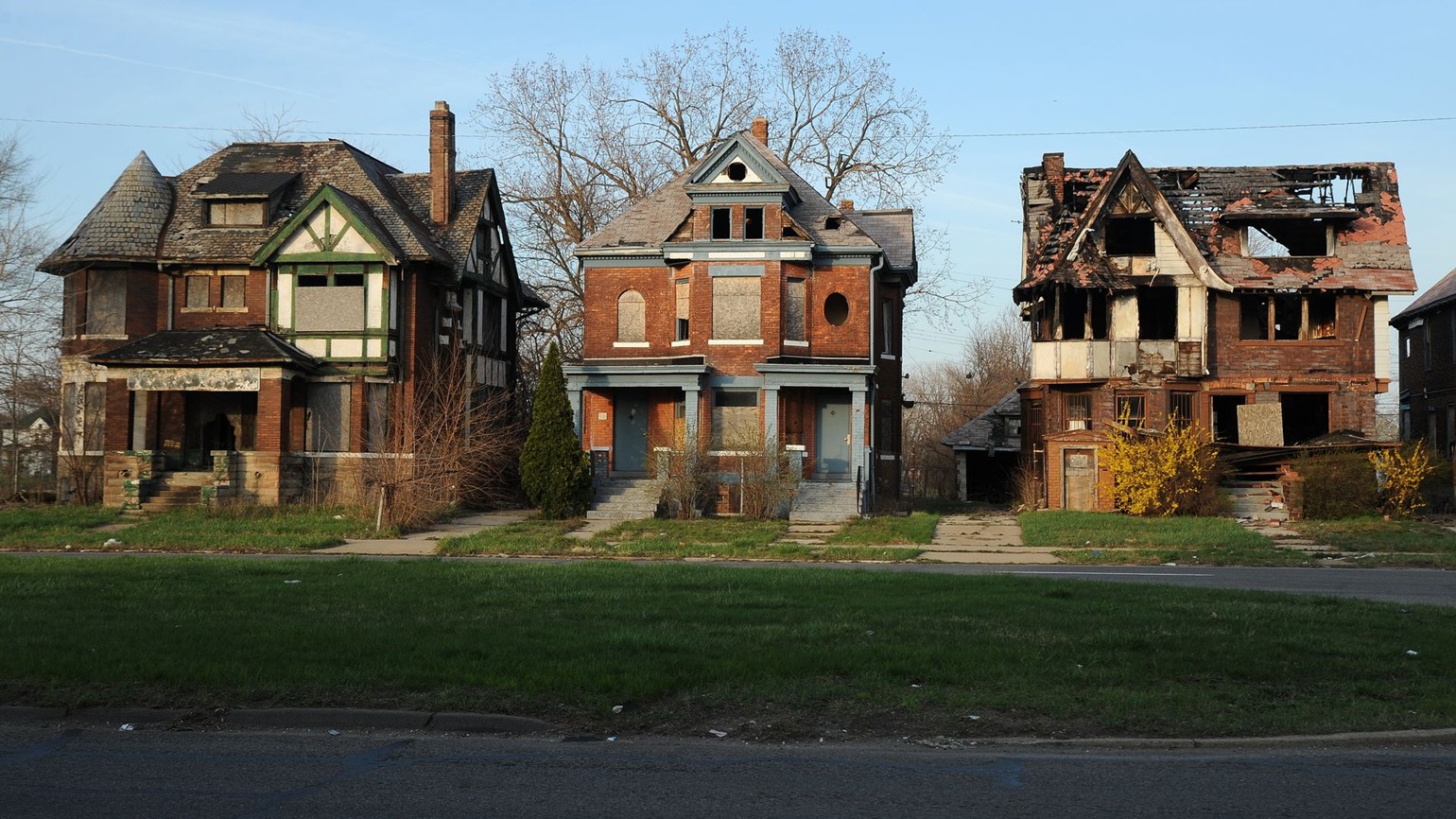
Across America, city councils, mayors, and housing authorities are sounding the alarm about affordable housing shortages. They hold press conferences, create task forces, approve studies, and publicly encourage developers to bring new housing into abandoned and struggling neighborhoods.
In many cases, they are sincere.
The problem is that while elected officials are asking for housing, the layers of agencies beneath them often ensure it never gets built affordably.
I’ve recently spoken with several developers trying to build modest single-family homes in inner-city neighborhoods that are already served by water, sewer, electricity, paved streets, and internet access. These are not developments being proposed miles outside of town, requiring expensive new infrastructure. These are vacant city lots and derelict housing areas where infrastructure has already existed for decades.
In theory, these projects should represent some of the easiest and most affordable housing opportunities in America.
Instead, many become financial obstacle courses before a single modular home ever leaves the factory.
Building Near Existing Infrastructure Should Save Everyone Money
A recent study from the Pew Research Center article points out something many developers already know. Building homes near existing infrastructure saves enormous amounts of public money. Cities spend less on extending utilities, less on building new roads, and less on maintaining far-flung services.
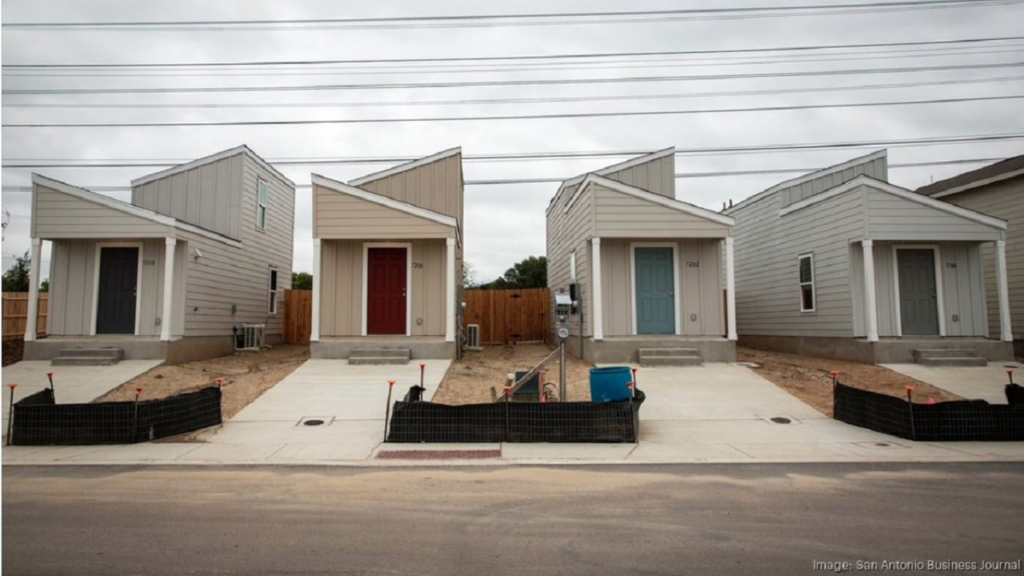
The savings can benefit both taxpayers and developers.
But what the study does not fully address is what happens after a developer decides to pursue one of these infill housing projects using modular construction.
That is where reality often collides with bureaucracy.
When Planning Departments Become the Roadblock
Developers regularly encounter planning departments requiring endless studies, design modifications, architectural mandates, parking requirements, landscaping rules, public hearings, engineering reviews, traffic studies, and approval timelines that can stretch into months or years. By the time all requirements are met, many of the cost advantages of affordable modular housing have disappeared.

Ironically, some of these same agencies are simultaneously holding meetings discussing the affordable housing crisis they are helping create.
Modular construction should be a natural fit for these developments. Homes are built in climate-controlled factories with predictable schedules, less material waste, and fewer neighborhood disruptions. Construction timelines are often significantly shorter than those for traditional site-built homes.
Yet many planning and code departments still treat modular housing as an unfamiliar experiment rather than a proven construction method that has been used successfully for decades.
Some developers tell me they spend more time educating local agencies about modular construction than they do designing the actual project.
The Hidden Cost of “Simple” Utility Connections
Then come the utility connection costs.
One of the least discussed issues in affordable housing is how expensive simple hookups can become once mandated labor structures, jurisdictional rules, inspections, permits, and local requirements are added to the process. In some cities, connecting sewer, water, gas, and electrical service to a modest, affordable home can cost amounts that would shock most taxpayers.
Developers often discover that while city leaders publicly support affordable housing, the systems beneath them still operate as if every project were a luxury suburban subdivision with unlimited budgets.
The result is predictable.
Projects shrink in size. Affordable homes become less affordable. Developers walk away entirely. Vacant lots remain vacant. Neighborhood revitalization stalls before it begins.
Meanwhile, city officials continue wondering why private developers are hesitant to invest in distressed neighborhoods.
Existing Neighborhoods Already Have the Infrastructure
What makes this situation especially frustrating is that the infrastructure already exists in many of these communities. Streets are already there. Sewer lines are already there. Electrical service already exists. Public transportation often already serves the area. Schools, stores, and jobs may already be nearby.
From a purely logical standpoint, these should be among the easiest housing developments to approve and encourage.
Instead, they often become among the hardest.
Bureaucracy Built to Avoid Risk
There is also another uncomfortable reality that many cities do not openly discuss. Some planning departments and code offices have gradually evolved into systems designed primarily to avoid risk rather than solve problems. Every new layer of review, requirement, and procedure may make sense individually. But collectively, they create a system so burdensome that affordable housing becomes financially unrealistic.
The irony is painful.
The same city that desperately needs affordable housing may unknowingly have created an approval process that only luxury housing developers can afford to navigate.
Many local officials truly do care about revitalizing abandoned neighborhoods. Housing authorities genuinely want safer streets, occupied homes, and stronger tax bases. But unless planning departments, zoning boards, inspection agencies, and utility authorities are aligned with those goals, affordable modular housing will continue to hit a wall long before construction begins.
And that wall is rarely made of concrete or steel.
It is made of paperwork, delays, mandates, overlapping authority, and systems that have forgotten their original mission: to help people build homes.
Modcoach Observation

America does not lack people willing to build affordable housing. It has a growing shortage of systems willing to allow it to happen efficiently.
Many cities already possess the land, infrastructure, transportation access, utilities, and developers necessary to revitalize struggling neighborhoods. What they often lack is the internal coordination and political courage to remove the layers of unnecessary friction their own agencies have created over decades.
Modular construction could help solve part of the affordable housing crisis faster than many people realize. But until city planning systems become as innovative as the factories building the homes, affordable housing will continue getting trapped somewhere between political speeches and permit approvals.