





Every entrepreneur needs someone willing to ask the uncomfortable questions.
There’s an unmistakable energy surrounding a startup factory. The building may still be empty, but everyone involved can already picture homes moving down the production line. Equipment is being ordered, financing is coming together, vendors are making promises, and the founder is talking about production goals before the first employee has been hired.
That excitement is contagious, and it should be. Every successful offsite factory began with someone willing to take a risk that others thought was too big.
What many entrepreneurs don’t realize, however, is that one of the biggest decisions they’ll ever make isn’t selecting the production equipment or choosing the right market. It happens much earlier, when they decide who will stand beside them as their second-in-command.
Too often, founders look for someone who thinks exactly the way they do. They want another visionary, another salesperson, another optimist who shares their enthusiasm for every new opportunity.
That may feel comfortable, but it can also become one of the most expensive mistakes a startup makes.
Vision Alone Doesn’t Build a Factory
Most entrepreneurs are naturally wired to see possibilities. They can walk through an empty warehouse and imagine a thriving production facility. They see future customers before the sales team exists and begin talking about expansion while contractors are still installing electrical service.
Those qualities are exactly what inspire investors, employees, and customers to believe in a new company.
But factories aren’t built on vision alone.
Someone has to make sure equipment arrives on schedule, production processes are documented, purchasing stays within budget, quality standards are maintained, and employees know exactly what’s expected of them every day. While the founder is looking six months ahead, someone else needs to be focused on what happens at eight o’clock tomorrow morning.
That’s where a great second-in-command becomes indispensable.
Your Best Partner May Challenge You More Than They Agree With You
Every entrepreneur enjoys hearing that their latest idea is brilliant. Unfortunately, businesses don’t grow because everyone around the conference table keeps nodding.
The strongest second-in-command is usually the person willing to ask the questions nobody else wants to ask.

“What happens if demand doubles?”
“Can we actually build what we’re promising?”
“Do we have enough cash to get through a slow quarter?”
“Have we solved today’s problems before creating tomorrow’s?”
Those questions aren’t signs of negativity. They’re signs of leadership.
The goal isn’t to discourage innovation. It’s to keep innovation from outrunning the company’s ability to execute.
Different Strengths Create Stronger Companies
Over the years, I’ve watched successful leadership teams that couldn’t have been more different from one another.
One person loved chasing opportunities while the other loved building systems. One enjoyed speaking at conferences while the other preferred spending time on the production floor. One naturally thought about where the company could be in five years, while the other focused on ensuring next week’s production schedule actually worked.
From the outside, their conversations sometimes sounded like disagreements.
In reality, they were protecting each other from their own blind spots.
That’s what healthy leadership looks like. Neither person is trying to win the argument. They’re both trying to make the company stronger.
The Wrong Second-in-Command Can Slow Everything Down
Not every bad hire is obvious. Sometimes the wrong person is highly experienced, well-liked, and genuinely committed to the company’s success.
The problem is that they bring the same strengths—and the same weaknesses—as the founder.
If both leaders love sales but neither enjoys operations, the factory suffers. If both spend their time dreaming about expansion but nobody develops standard operating procedures, growth becomes chaotic. If everyone enjoys brainstorming but nobody insists on accountability, production problems begin multiplying faster than they’re solved.
Eventually, the startup becomes incredibly busy without becoming consistently productive.
That’s a dangerous place for any new factory.
The Best Number Twos Rarely Want the Spotlight
The most effective second-in-command I’ve known usually isn’t the loudest voice in the room. They’re far more interested in solving problems than receiving credit.
Employees trust them because they listen. Vendors respect them because they follow through. Customers appreciate them because commitments are kept. While the founder often introduces the company’s future, the second-in-command quietly ensures today’s promises become tomorrow’s reputation.
Neither role is more important than the other.
One creates the vision.
The other turns that vision into a business.
Gary’s Observation
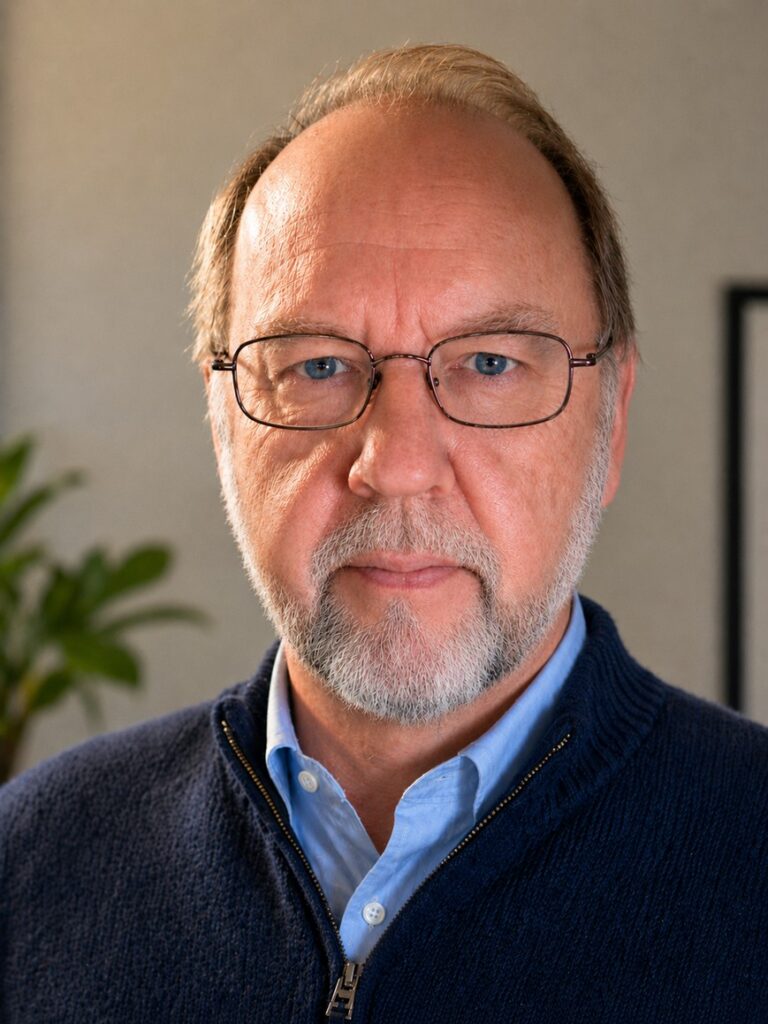
As I spend more time working with entrepreneurs planning new offsite factories, I’m becoming convinced that the second-in-command deserves almost as much attention during the startup process as the founder. Investors often bet on the entrepreneur’s vision, but the company’s long-term success frequently depends on the person responsible for translating that vision into disciplined execution.
The strongest startups aren’t led by two people who think alike. They’re built by leaders who respect each other’s differences, challenge each other’s assumptions, and understand that building a successful factory requires both imagination and discipline. When those qualities come together, a startup has a much better chance of becoming the kind of company the industry remembers.