

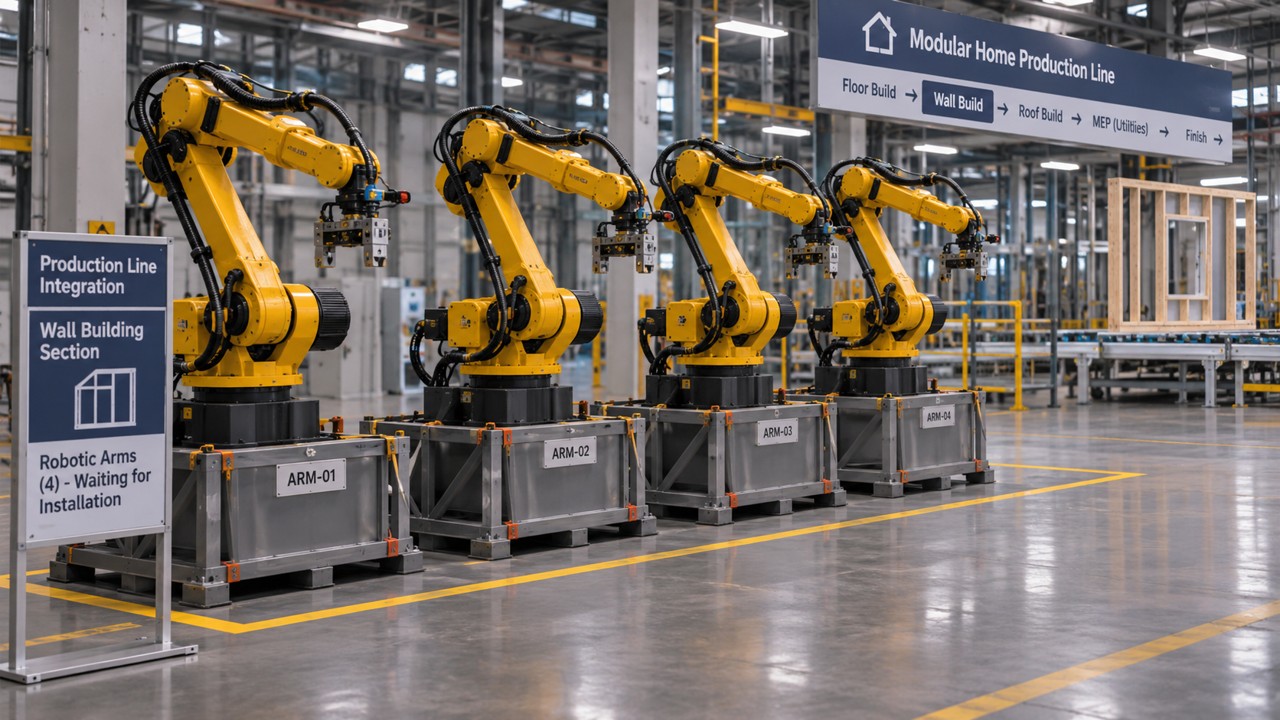
There is something reassuring about watching a robot build a wall. It knows where to move, repeats the operation, and doesn’t stop to ask why purchasing ordered the wrong material. For a factory owner who spent the morning dealing with missing parts and another production change, that demonstration can look like relief.
Then the questions begin. Who feeds the machine? Which drawing revision is it using? Where does the finished wall go? What happens when the next order requires a detail the system wasn’t configured to produce?
When I first wrote about the challenges of automated modular production in 2024, much of the discussion centered on integration, cost, training, and reliability. Those concerns still matter. What has changed is the range of work manufacturers can automate—and the opportunity to introduce it in smaller, more focused steps.
Randek, for example, introduced its ZeroLabor robotic subassembly solution at LIGNA in 2025, targeting components that feed wall production. Its current equipment offering describes adding robotics cell by cell rather than requiring every manufacturer to begin with a completely automated factory. That gives owners more choices, but it also makes choosing the right starting point more important. Randek
The question I would put in front of a factory owner today is straightforward: Which recurring production problem will this investment solve, and how will you know it worked?
1. Automating the Wrong Problem
Suppose your framing department can already produce enough walls to keep the factory moving, but finished modules regularly wait for electrical work, inspections, or missing cabinets. A faster framing line may give you more walls stacked around the building without producing another shippable home.
Before shopping for equipment, follow several jobs through the factory. Record where they wait, why they wait, and what has to happen before they move again. Separate processing time from waiting time. The operation that looks busiest may not be the one limiting output.
Automation earns its place when it improves the factory’s results. A station’s impressive cycle time means little if everything downstream remains stuck.
2. Asking Equipment to Accommodate Every Sales Promise
Customization has helped many modular manufacturers win business. It can also make production unnecessarily difficult when every salesperson is allowed to promise another exception.
Flexible machinery can handle variation within its operating limits. It still needs defined materials, connections, dimensions, and manufacturing rules. Randek’s systems offer configurable and standalone applications, but that flexibility should prompt careful product planning rather than an assumption that anything sales accepts will run efficiently.
Owners need to decide which variations belong in normal production, which require additional engineering and setup, and which should be declined. That conversation belongs before the equipment order. Otherwise, the factory may spend years trying to reconcile what the machine was purchased to build with what customers were promised.
3. Sending Unfinished Information to a Finished Process
An experienced carpenter may recognize a questionable dimension and walk over to ask engineering about it. An automated system needs a defined way to identify and handle that discrepancy.
Drawing control becomes a production requirement with immediate consequences. Someone must own the approved manufacturing information, authorize revisions, and confirm that changes reach every affected operation. A revised window opening cannot live in an email while the machine continues using yesterday’s file.
The practical test is simple: Can everyone identify the current approved version without asking three people? If not, clean up that process before connecting it more tightly to production equipment.
4. Confusing a Demonstration With Your Normal Workday
A demonstration shows what a system can do under the conditions provided. Your purchase decision needs to account for the materials, product mix, staffing, and interruptions it will encounter in your building.
Ask prospective suppliers to work through representative jobs, including awkward details and common changeovers. Discuss what happens when material falls outside the agreed tolerance, a component is missing, or the process stops halfway through an operation.
Acceptance criteria should cover usable output, quality, changeover time, and recovery from interruptions. A machine that performs beautifully on one ideal panel still has to prove it can support your production schedule.
5. Underestimating the Cost of Getting Started
The machinery quote is only part of the investment. Electrical work, foundations, material handling, software connections, training, spare parts, and factory reconfigurations can all require money before the system contributes useful output.
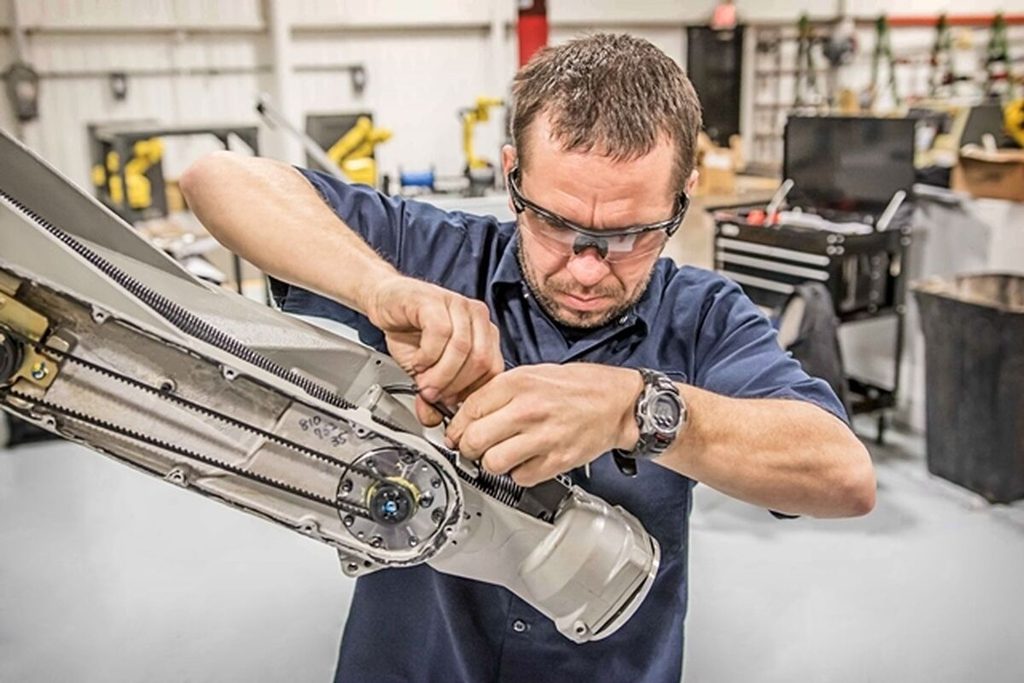
There is also the transition period. Existing production may be disrupted while employees learn new routines and the equipment is commissioned. Payroll and overhead continue during that period.
Build the budget around reaching dependable production, with room for slower-than-expected progress. The relevant milestone is repeatable output at acceptable quality and cost. Delivery day is simply one step toward it.
6. Buying Capacity Without a Credible Workload
In my earlier article, I emphasized getting the line functioning before aggressively filling the order book. I would sharpen that advice today: production readiness and commercial planning have to advance together.
A factory needs enough credible work to justify the investment, while avoiding delivery promises based on output it has never demonstrated. Examine whether the backlog is funded, sufficiently designed, and likely to reach production when expected. Also ask whether those projects fit the proposed equipment.
Run the economics at a conservative utilization level. If the investment works only when every shift runs close to maximum capacity, management needs to understand how much depends on that assumption.
7. Treating Training as an Installation Expense
Automation changes people’s responsibilities. Operators need to understand normal operation and when to stop. Maintenance personnel need troubleshooting skills. Engineering needs to understand how design choices affect manufacturing.
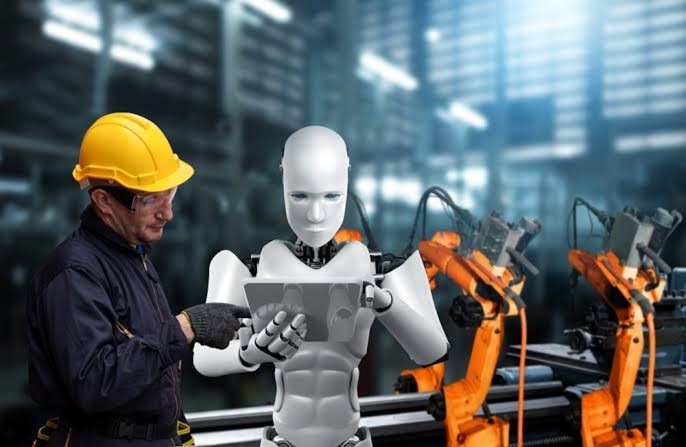
Autovol provides a useful example of people and robotics working together. The company describes tradespeople using robots as tools and identifies heavy component transfer as one robotic application. That is a more practical way to think about workforce development than assuming an automated factory stops needing construction knowledge. Autovol
Involve experienced production employees early. Their knowledge of recurring defects, awkward material handling, and everyday workarounds can improve the implementation. Give them time to learn, and train enough people that one absence doesn’t become a shutdown.
8. Discovering the Support Problem During a Breakdown
Before signing, find out who answers when the system stops, what remote support includes, and which failures require someone onsite. Identify critical spare parts and realistic replacement lead times.
The discussion should also cover backups, software access, maintenance responsibilities, and safe recovery procedures. A restart after an interruption deserves as much planning as normal operation.
Predictive monitoring can help identify developing problems, but it cannot compensate for unclear responsibility or unavailable parts. Someone in the factory must own equipment reliability, with the authority and time to manage it.
9. Reporting Impressive Numbers That Don’t Explain Profitability
Investors and owners deserve more than videos of machines moving quickly. They need to understand whether the investment is improving the business.
Track completed, acceptable output alongside total labor hours, downtime, rework, and work waiting between operations. Include the extra engineering, maintenance, or handling effort needed to achieve the result. Otherwise, a labor reduction at one station can hide work shifted elsewhere.
A faster machine may improve capacity, consistency, ergonomics, or staffing resilience. Be clear about which benefit justified the purchase and whether that benefit is actually appearing.
10. Making the First Project Too Large
A factory does not need to automate everything at once to make meaningful progress. A focused project may address repetitive cutting, fastening, handling, or subassembly work while giving the organization experience with integration and support.
Choose an operation with a measurable problem, a reasonably stable process, and enough repetition to evaluate results. Establish the baseline before installation. Expand after the first investment demonstrates that it can perform reliably under your conditions.
That approach also gives management the chance to discover weaknesses in its own preparation while the consequences remain manageable.
Gary’s Observation

I remain optimistic about automation in offsite construction. The equipment is giving manufacturers practical ways to improve difficult, repetitive work, and the opportunity extends well beyond the largest factories.
But I would spend as much time preparing the organization as selecting the machine. Sales commitments, engineering decisions, material availability, maintenance, and production scheduling all influence what that equipment can accomplish.
Before signing the purchase order, ask your team to finish this sentence: “This investment will solve this specific problem, and we will measure its success this way.”
If the room cannot agree on the answer, there is still work to do before the robot arrives.