

Understanding Why Affordable Housing is Dying in the US
.
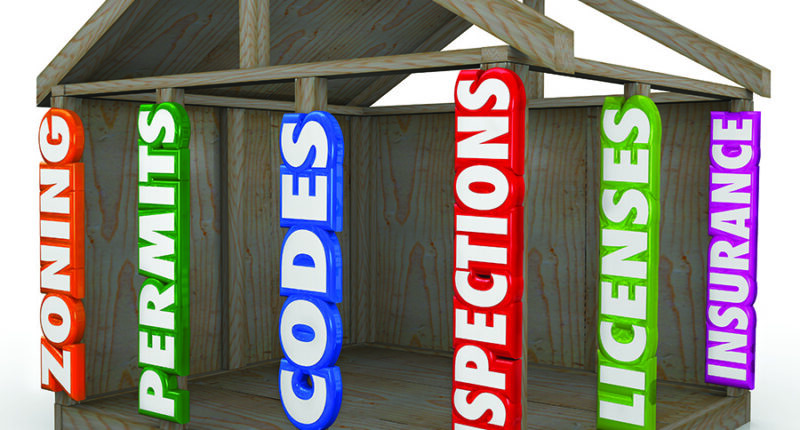
Building a home is a dream for many, but it comes with its own set of challenges. One of the most intricate aspects of home construction in the United States is complying with a myriad of codes and undergoing numerous processes which has been estimated to represent more than 25% of the cost of building a new home. The exact requirements can vary based on location, type of construction, and specific regional regulations. I’m going to try and break down the key code agencies and processes involved, giving you a clear understanding of what it takes to bring your dream home to life.
Code Agencies
Local Building Departments: Local building departments are your primary point of contact. They enforce building codes that ensure the safety and integrity of your home. These codes are often based on national standards but may include local amendments.
Building Codes: Governed by the International Building Code (IBC) or the International Residential Code (IRC), these codes cover structural integrity, safety, and habitability.
Electrical Codes: Adherence to the National Electrical Code (NEC) or local amendments ensures the safe installation and maintenance of electrical systems.
Plumbing Codes: The Uniform Plumbing Code (UPC) or International Plumbing Code (IPC) provides standards for safe and efficient plumbing systems.
Mechanical Codes: The International Mechanical Code (IMC) dictates the installation and maintenance of heating, ventilation, and air conditioning systems.
Energy Codes: The International Energy Conservation Code (IECC) or local energy efficiency standards ensure that homes are energy-efficient and environmentally friendly.
Fire Codes: Compliance with the International Fire Code (IFC) or local fire safety regulations is essential for preventing and managing fire hazards.
State Agencies: Some states impose their own building standards, which may include additional requirements or modifications to the national codes. It’s crucial to understand both state and local regulations to ensure full compliance.
Environmental Agencies: Agencies like the Environmental Protection Agency (EPA) play a vital role in issues related to land use, wetlands, and stormwater management. Their involvement ensures that the construction process is environmentally responsible.
Utility Providers: Approvals and inspections from utility providers are necessary for water, gas, electric, and sewer connections. These providers ensure that utility installations meet safety and performance standards.
Processes
Pre-Construction:
Land Acquisition: Secure land that is properly zoned for residential use. Zoning laws can affect everything from the type of home you can build to its placement on the lot.
Site Survey: Conduct a survey to determine property boundaries and site characteristics. This step is essential for avoiding legal disputes and ensuring proper placement of your home.
Environmental Assessment: Ensure the site complies with environmental regulations. This might include checking for protected species, wetlands, and other environmental considerations.
Design and Planning:
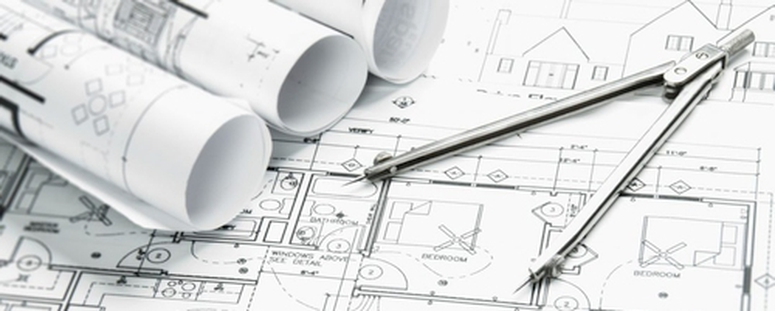
Architectural Design: Create detailed building plans and blueprints. This step involves working with an architect to design a home that meets your needs and complies with all codes.
Engineering: Develop structural, electrical, plumbing, and mechanical engineering plans. These detailed plans are necessary for obtaining permits and guiding the construction process.
Permit Applications: Submit plans for review and obtain necessary permits. This process involves multiple steps and can take several weeks to complete.
Permitting:
Zoning Approval: Ensure the project complies with local zoning laws. This may involve public hearings or special approvals.
Building Permit: Obtain a permit from the local building department. This permit is crucial for legally starting construction.
Special Permits: Additional permits may be needed for specific work like septic systems, wells, or demolition.
Construction:
Foundation Inspection: An inspection is required before pouring concrete for the foundation to ensure proper preparation and compliance with building codes.
Framing Inspection: After the structural framework is completed, an inspection ensures that it meets code requirements.
Mechanical, Electrical, and Plumbing (MEP) Inspections: Separate inspections for each system ensure they are installed correctly and safely.
Insulation and Energy Efficiency Inspection: This inspection checks for compliance with energy codes, ensuring your home is well-insulated and energy-efficient.
Final Inspections: A comprehensive inspection ensures all work complies with building codes and approved plans.
Post-Construction:
Certificate of Occupancy: Issued once the building passes the final inspection and is deemed safe for occupancy.
Utility Hookups: Finalize connections to water, gas, electricity, and sewer systems. This step is essential for making your home livable.
Additional Considerations
HOA Approvals: If your property is within a homeowners’ association, additional approvals may be required. HOAs can have strict rules about home design and landscaping.
Historic Preservation: In areas with historic significance, compliance with preservation guidelines may be necessary. This can involve additional reviews and approvals.
Accessibility Standards: Ensuring the home meets the Americans with Disabilities Act (ADA) requirements, if applicable, is crucial for creating an inclusive living environment.
Building a home involves navigating multiple layers of codes and processes managed by various agencies, from local building departments to state and federal environmental agencies. The exact number and nature of these requirements can vary based on the location and specific characteristics of the project. Understanding these requirements and working with experienced professionals can help ensure a smooth and successful construction process. With careful planning and compliance, you can turn your dream home into a reality, creating a safe, efficient, and beautiful space for you and your family.
Additional Reviews and Inspections for Modular Homes: Design and Production Stages
Modular homes, known for their efficiency and quality control, undergo additional reviews and inspections during their design and production stages compared to traditional site-built homes. These additional steps ensure that modular homes meet all regulatory standards and provide a safe, durable living environment. Here are some of the reviews and inspections imposed on modular homes during these critical phases.
Design Stage Reviews
State and Local Code Compliance:
Pre-Approval of Plans: Modular home manufacturers must submit their designs to state or local building departments for pre-approval. This process involves ensuring that the plans comply with all applicable building codes and standards, which may include state-specific amendments.
Third-Party Plan Review: Many states require an independent third-party agency to review and approve the building plans. These agencies ensure that the designs meet or exceed all regulatory requirements, including structural integrity, electrical systems, plumbing, and energy efficiency.
Structural Engineering Review:
Load Calculations: Structural engineers perform detailed load calculations to ensure that the modular units can withstand transportation stresses and final assembly conditions. This includes analyzing the loads during lifting, moving, and placement on the foundation.
Material Specifications: Engineers review the material specifications to ensure that high-quality, durable materials are used, capable of withstanding both transport and long-term occupancy.
Energy Efficiency and Environmental Standards:
Energy Code Compliance: Plans are reviewed to ensure compliance with energy codes such as the International Energy Conservation Code (IECC). This includes insulation, HVAC systems, and energy-efficient windows and doors.
Environmental Impact Assessment: Some states require an environmental impact assessment to ensure the design minimizes environmental impact during construction and throughout the home’s lifespan.
Production Stage Inspections
In-Factory Quality Control:
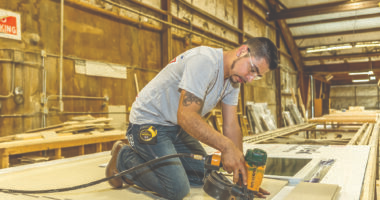
Continuous Quality Inspections: During production, quality control inspectors conduct continuous inspections at various stages of the construction process. These inspections ensure that each component is built to the exact specifications outlined in the approved plans.
Modular Unit Assembly Checks: Inspectors check the assembly of modular units to ensure proper alignment, secure fastening, and correct installation of all systems (electrical, plumbing, HVAC).
Third-Party Inspections:
Third-Party Verification: Independent third-party inspectors conduct periodic inspections throughout the production process. These inspections provide an additional layer of assurance that the modular home complies with all codes and standards.
Certification Labels: Once a modular unit passes all inspections, it receives certification labels indicating compliance with specific building codes and standards. These labels are affixed to each unit before it leaves the factory.
System-Specific Inspections:
Electrical System Inspection: Inspectors verify that all electrical systems are installed correctly and comply with the National Electrical Code (NEC) or relevant local codes. This includes checking wiring, outlets, switches, and grounding systems.
Plumbing System Inspection: Plumbing systems are inspected to ensure they meet the Uniform Plumbing Code (UPC) or International Plumbing Code (IPC). This includes checking pipe materials, connections, water pressure, and drainage systems.
Mechanical System Inspection: HVAC systems are inspected to ensure they meet the International Mechanical Code (IMC) and are installed to provide efficient and effective climate control.
Energy Efficiency Verification:
Insulation and Sealing Inspection: Inspectors check that insulation is installed correctly and that all joints and seams are properly sealed to prevent air leakage.
Energy Star Certification: Some modular homes seek Energy Star certification, which involves additional inspections and testing to ensure the home meets stringent energy efficiency standards.
Modular homes undergo additional rigorous reviews and inspections during their design and production stages to ensure they meet all regulatory standards and provide a safe, high-quality living environment.
These additional steps include pre-approval of plans, third-party reviews, structural engineering assessments, in-factory quality control, system-specific inspections, and energy efficiency verifications can add thousands of dollars to the cost of every new modular home. By adhering to these stringent processes, modular homes can offer a reliable, efficient, and sustainable housing solution, exceeding the standards of traditional site-built homes.
.

CLICK HERE to read the latest edition

Contact Gary Fleisher