
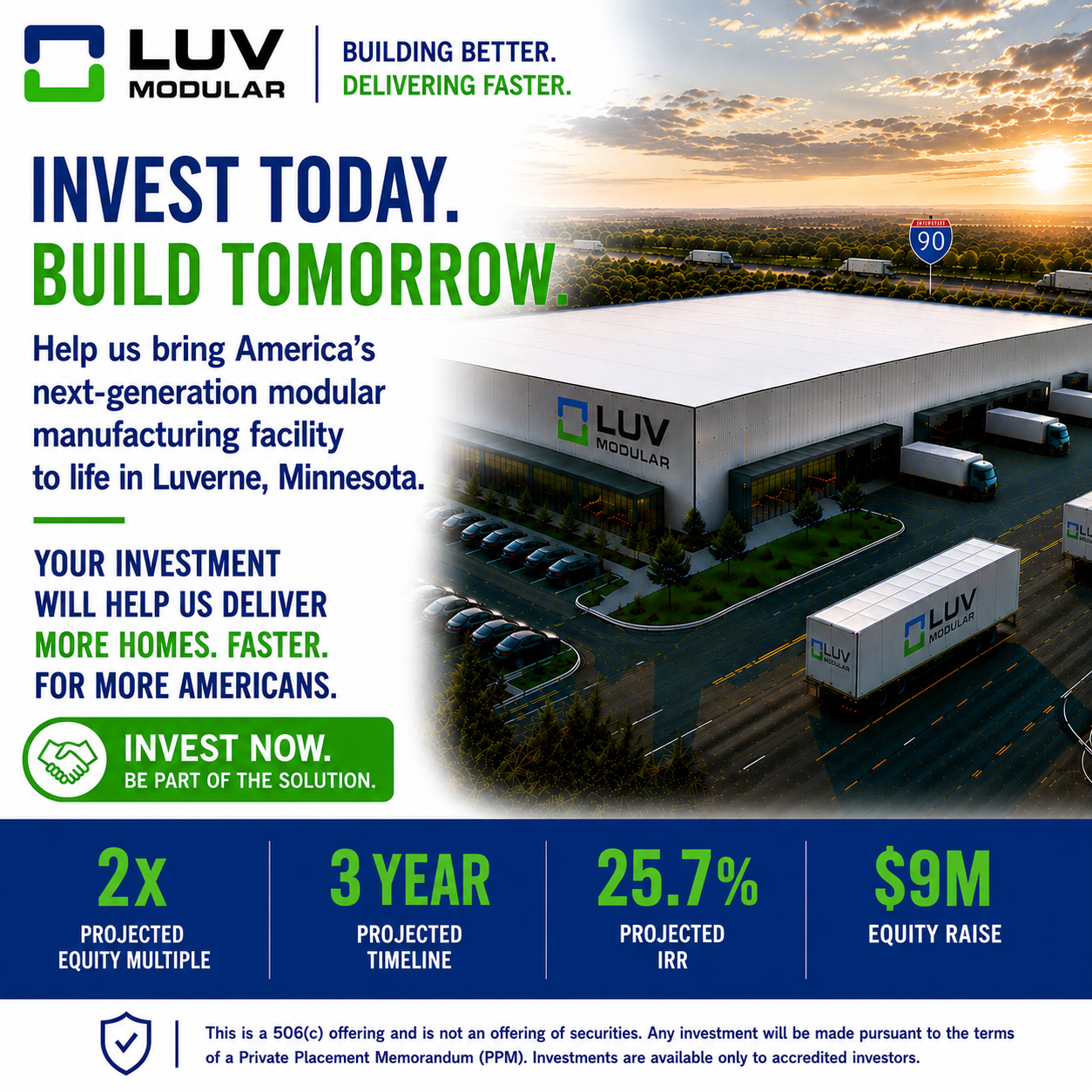
Revolutionizing Housing Development for a Brighter Future
The global affordable housing crisis looms as a stark reminder of the growing divide between housing costs and income levels. Millions of individuals and families are struggling to secure safe and affordable places to call home.

In this challenging landscape, modular construction stands as a beacon of hope, offering a transformative solution to tackle the shortage of affordable housing. This innovative construction method promises cost-effective, efficient, and sustainable housing options that can change the game for communities in need.
Modular Construction: A Game-Changer for Affordable Housing
Modular construction, also known as prefabrication, is a construction technique that involves the manufacturing of building components in a controlled factory environment before assembling them on-site. This method marks a significant departure from traditional construction practices that can be both time-consuming and expensive.
Cost-Efficiency:
One of the primary advantages of modular construction lies in its unparalleled cost-effectiveness. By producing building components within a controlled factory environment, construction companies can dramatically reduce material wastage and labor costs. These savings, in turn, enable the provision of affordable housing options across a broader range of income levels.


photo – Fading West
Speed of Construction:
Modular construction brings unprecedented speed to housing development. Traditional construction methods are often at the mercy of weather conditions, leading to project delays and increased costs. In contrast, modular components can be manufactured concurrently with site preparation, resulting in significantly shorter project timelines. This swift construction pace holds the potential to deliver housing solutions promptly to those who need them most.
Quality Assurance:
Modular construction introduces a higher level of quality control compared to traditional practices. Building components are manufactured with precision and undergo rigorous quality checks in a factory setting. The outcome is well-constructed, energy-efficient, and durable housing units that can withstand the test of time, ensuring the long-term satisfaction and security of residents.
Sustainability:
Sustainability is at the core of modular construction. This innovative method generates less construction waste, consumes fewer resources, and often incorporates energy-efficient materials and designs. Sustainable housing not only aligns with environmental responsibility but also leads to reduced utility costs for residents, further enhancing affordability while helping to protect our planet.
Design Flexibility:
Modular construction offers unparalleled design flexibility. Architects and developers can create a wide spectrum of housing styles, layouts, and sizes to cater to the diverse needs of communities. This adaptability allows for the customization of affordable housing solutions while maintaining cost-efficiency, ensuring that housing projects align with the unique character of each community.
Across the globe, numerous successful modular construction projects have demonstrated its potential to address the affordable housing crisis. In cities like New York, San Francisco, and London, modular construction has rapidly produced affordable housing units that meet stringent building standards and regulations. These projects serve as inspiring models for other urban centers to emulate and adapt to their own housing needs.
Modular construction represents a promising avenue to rekindle hope in the pursuit of affordable housing. Its exceptional cost-efficiency, rapid construction, stringent quality control, commitment to sustainability, and design flexibility are reshaping the future of housing development.
By embracing modular construction, communities can provide safe, comfortable, and affordable housing options for those in need, ultimately fostering a brighter and more equitable future for all. As we continue to explore and implement these innovative approaches, the dream of accessible housing for everyone is well within reach.

CLICK HERE TO READ NOVEMBER’S ISSUE
.

Gary Fleisher, the Modcoach, author