


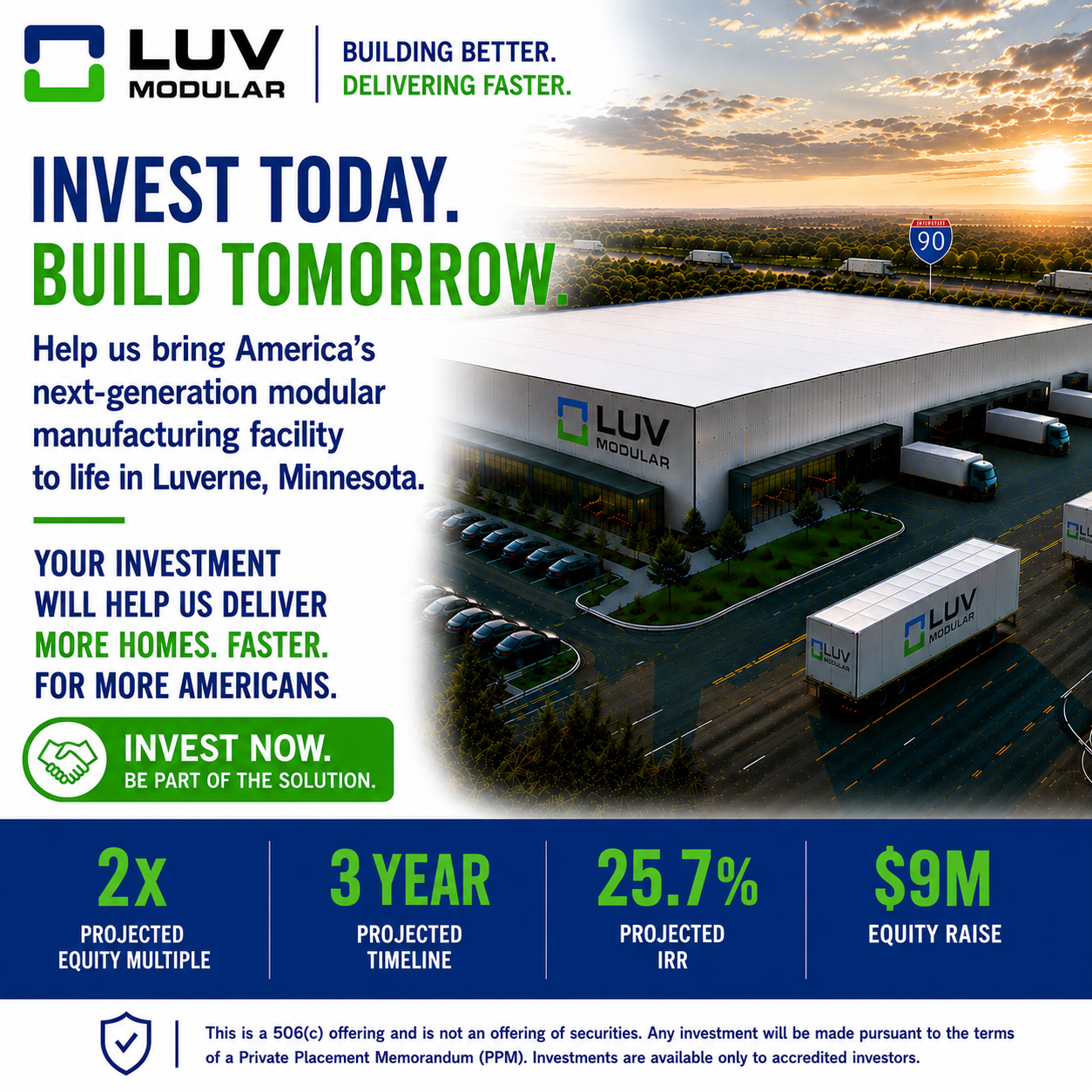
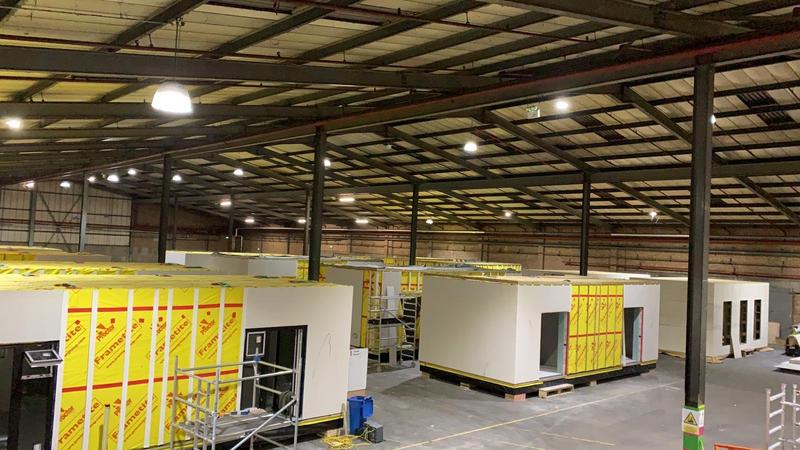
Imagine this. An established modular factory—already running at near capacity—decides to spin off several small, 35,000-square-foot “pop-up” factories strategically located within an hour of major cities. Each mini plant would share engineering, design, and management with the main factory but focus locally on fabrication, staging, and set. It sounds simple enough, but could this idea actually shift the balance of the housing market? Or would it just add more complexity to an industry already juggling too many moving parts?
Let’s take a closer look at what might happen if pop-up factories became the next big trend in offsite construction.
Rethinking Proximity: Building Where the Demand Lives
For decades, housing supply has been built in one place and shipped to another, often hundreds of miles away. Moving production closer to the markets that need it most—within 60 minutes of a city—changes everything. Shorter hauls mean fewer pilot cars, less damage in transit, and faster turnaround times for developers.
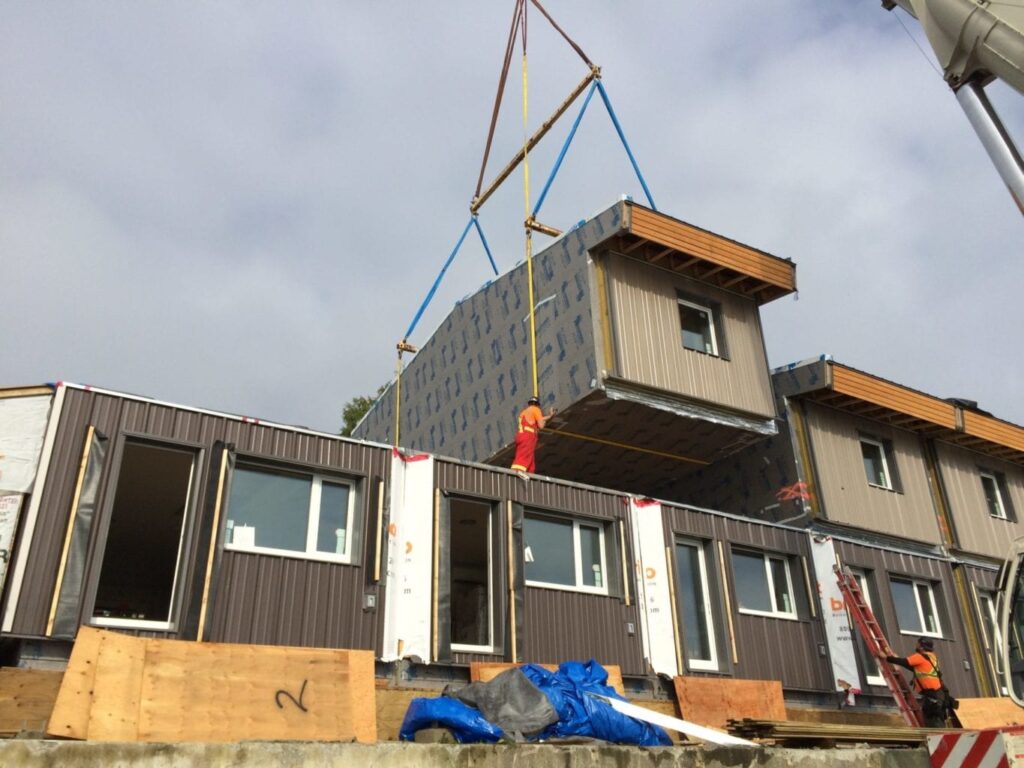
These smaller factories could focus on what’s missing in cities right now: infill homes, ADUs, and missing-middle projects that local builders often can’t deliver fast enough. Every module would roll out of the pop-up factory practically ready for installation, making local housing starts more predictable and affordable.
Could we finally start matching production speed to the pace of demand instead of watching the gap widen every year?
The Speed Factor: Faster Turns, Shorter Waits
Pop-up factories could operate like satellites—nimble, responsive, and specialized. By relying on shared engineering, procurement, and financial systems from the main plant, these smaller operations could bypass the red tape that slows traditional start-ups. That means faster bidding, quicker approvals, and fewer weeks waiting for components or crews.
In modular construction, speed equals profit, and profit fuels expansion. The faster these smaller factories can turn around a project, the sooner developers can reinvest in the next one. The impact might not be explosive, but over time, thousands of new units could quietly enter the market without fanfare—just steady, measurable progress.
The Economics: How Pop-Up Factories Could Shape Prices
Let’s talk numbers. A 35,000-square-foot modular factory, depending on its level of automation and staffing, could produce anywhere between 200 and 700 homes a year. Multiply that by three or four satellites around a metro area, and you’re looking at up to 2,000 additional homes annually.
Now, that doesn’t sound like much in a big city of 250,000 housing units—but it matters. Economists say that a one-percent increase in housing stock typically lowers rents and prices by about half a percent to one percent. So, even a half-percent bump in available units could slow runaway price growth, stabilize rent, and offer real breathing room for middle-income families.
These satellites wouldn’t cause a housing price crash—they’d create something far better: a healthy, balanced market.

The Ripple Effect: Local Labor, Local Benefits
There’s another side to this idea that doesn’t get enough attention: jobs and training. Pop-up factories could become regional talent magnets, working with community colleges, trade programs, and even high schools to train a new generation of modular builders.
Each factory could hire 50 to 100 local workers—framers, assemblers, electricians, quality control technicians—and provide steady, year-round employment without the boom-and-bust cycles typical of construction. The result? More stable communities, more predictable costs, and a better-trained labor force ready for the next wave of offsite innovation.
The Chain Reaction: From City Hall to the Crane Yard
If local officials saw housing units being built faster and cheaper just outside their city limits, zoning approvals and infrastructure support might start to shift. City councils and planners, often skeptical of “modular” projects, might become more receptive when they see consistent, local results.
And with shorter transport routes, there’s less disruption to city streets during set days, fewer crane permits to fight over, and less neighborhood opposition to “outside builders” rolling in. When a project feels local, it faces fewer barriers. That’s how markets quietly evolve—one well-placed mini factory at a time.
The Reality Check: Who’s Paying for This?
That’s the million-dollar question—or perhaps the ten-million-dollar one per site. Where would funding come from for this network of pop-up factories?
Established modular firms might finance the first pilot through internal reserves or a low-interest construction loan. Once proven, private equity and impact investors could step in, drawn by the mix of steady cash flow and measurable community impact.
Another likely source is public-private partnerships (PPPs). Cities desperate for affordable housing could contribute land, tax incentives, or infrastructure support. In some cases, a local housing authority might even co-own the facility, securing priority production for public projects.
There’s also an emerging group of modular ecosystem funds—investment pools looking to scale regional manufacturing for affordable and workforce housing. A company with a strong track record could tap into those partnerships relatively easily, especially if it can demonstrate repeatable templates and a guaranteed output pipeline.
Would we finally see financiers treating housing factories the same way they treat renewable energy projects—stable, scalable, and essential infrastructure?
The Caution Zone: Quality, Codes, and Control
Of course, spreading out manufacturing comes with its headaches. Three or four mini plants mean three or four chances for quality control to slip. Without identical QA procedures, the same wall built in Factory A might not align perfectly with one built in Factory C. That’s not just inconvenient—it’s costly.
Then there are local codes and inspection differences. What flies in one county might stall in another. The key is standardization with flexibility—a single design library with plug-in adjustments for regional code variations. And everything must flow back to the same digital backbone. Otherwise, the “shared service” model becomes a tangled web of conflicting files and costly miscommunication.
The Bigger Question: Can This Really Move the Needle?
Pop-up modular factories won’t single-handedly end the housing crisis, but they could reshape the delivery system. They bring housing production closer to where it’s needed, they engage local labor, and they diversify manufacturing risk. They don’t replace the main plant—they extend its reach.
If three or four mini factories could together add 1,500 homes per year to a city’s supply, that might not sound revolutionary—but in the housing world, it’s a turning point. Each home built faster and cheaper means one more family not priced out, one more developer staying solvent, one more city meeting its housing goals.
Just a Thought
If housing is built where people actually live and work—and if production becomes as distributed as the demand itself—the entire concept of “affordable housing” could start to mean something real again.
Maybe it’s time to stop asking if modular construction can fix housing, and start asking how far we can push the factory model to meet the moment.
Pop-up factories could be the next bold step, one 35,000-square-foot leap at a time.
.
With over 9,000 published articles on modular and offsite construction, Gary Fleisher remains one of the most trusted voices in the industry.
.

CLICK HERE to read the latest edition

Contact Gary Fleisher