





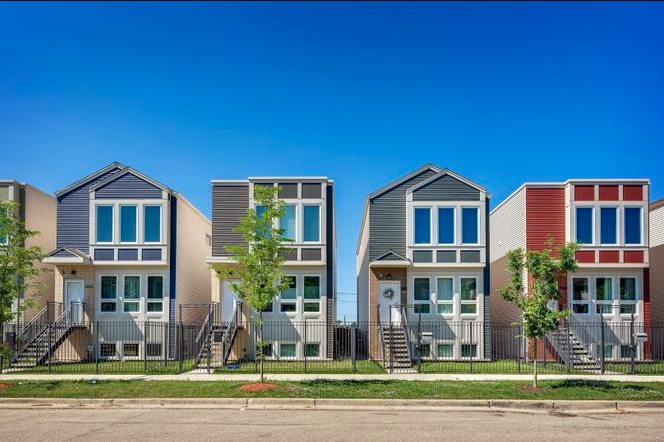
Massachusetts voters narrowly rejected Question 7, a proposal intended to make it easier to build single-family homes on smaller lots. For those of us who spend our time talking about housing production, that result raises an uncomfortable question: How much progress can we make building less expensive homes if communities remain reluctant to make room for them?
The easy explanation is that homeowners already comfortably settled in their neighborhoods pulled up the ladder behind them. There may be some of that in the resistance to new development. But declaring that the reason for this defeat would go beyond what we know. A vote count tells us which side won. It does not tell us what every voter was thinking.

What the debate does reveal is a familiar collision between the need for more housing and the desire to retain control over where it goes.
Question 7 would have permitted single-family homes on qualifying residential lots of at least 5,000 square feet, with at least 50 feet of frontage and access to public water and sewer. Supporters argued that reducing land requirements would create opportunities for starter homes and give older homeowners more options for downsizing. www.wbur.org
That is a reasonable place to start. Every dollar tied up in land is a dollar that has to be recovered somewhere in the selling price. Require a large piece of ground for each house, and you make the economics of building a modest home harder before the foundation crew arrives.
But a significant gap existed between the proposal’s goal and its guarantees. Question 7 allowed smaller lots. It did not require smaller houses or set affordable selling prices. www.mma.org
That gave opponents a substantial argument. A builder could use a smaller lot to construct a house that remained beyond the reach of the buyer this initiative was supposed to help. Lower development costs do not automatically become lower asking prices.
Still, that objection deserves its own question: Does keeping a larger lot requirement make an entry-level home any easier to deliver?

The lack of an affordability guarantee is a reason to examine a proposal carefully. It should also prompt a discussion about what would work better.
The Massachusetts Municipal Association opposed Question 7, emphasizing local zoning authority and communities’ responsibility to plan for growth. Its concerns included roads, schools, public services, and water and sewer capacity.
Those concerns cannot simply be waved away. A sewer line running past a property does not prove the treatment system can handle unlimited additional connections. Somebody has to determine what capacity exists, what improvements are needed, and who pays for them.
Anyone who has developed a modular subdivision knows the house is only one part of the job. Utilities, drainage, access, approvals, and site work can change the entire financial picture. A factory cannot make those costs disappear by producing the building more efficiently.
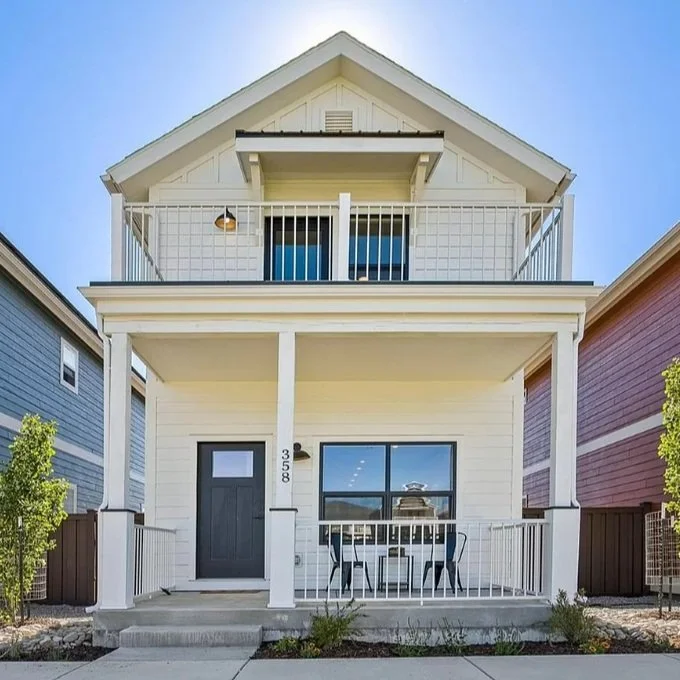
photo- Fading West Modular
However, local control also comes with local responsibility. A community that rejects a statewide approach should be able to explain its own workable approach to adding homes.
Where can a young family buy? Where can an older couple move when their current house becomes too much to maintain? What land is available, what can be built there, and how long will approval take?
Those are practical questions. They deserve answers that extend beyond another planning meeting.
For the offsite industry, this is where the discussion becomes especially relevant. We spend considerable time talking about smaller floor plans, repeatable designs, purchasing efficiency, and faster production. All of those can help improve the economics of housing.
But a competitively priced house leaving a factory still needs a legally buildable site. If the available lots are too expensive, the infrastructure is inadequate, or approvals make the project financially unworkable, manufacturing improvements can only carry us so far.
That is why I would caution our industry against treating the Massachusetts result as either proof that people hate starter homes or proof that the proposal had nothing useful to offer. Neither conclusion gets another house built.
My reading is that supporters made a case for expanding opportunity, while opponents raised doubts about the mechanism and its consequences. The proposal fell just short. That should encourage a more specific discussion about land, infrastructure, affordability, and accountability.
We need communities to identify where additional homes can realistically go. We need builders to demonstrate what they can deliver at a price buyers can reach. And we need infrastructure plans with actual costs and assigned responsibility.
Gary’s Observation

I understand why people want a say in what happens around their homes. Most of us would. I also understand that families looking for their first home cannot live in a community’s statement of support for affordable housing.
The question I would put to every community opposing a proposal like this is straightforward: What will you approve, where will you approve it, and when?
Until those answers become concrete, the starter home will remain something we know how to build but struggle to find a place to put.